Your roof protects your home from rain, wind, snow, heat, and other outdoor conditions. Like…
Roof Replacement Cost Factors Every Homeowner Should Understand
 Replacing a roof is one of the larger maintenance investments a homeowner may face. When researching a new roof, it is natural to start with the question: How much will it cost?
The answer is rarely a single number. Roof replacement cost can vary significantly from one property to another because every roofing project has different requirements. Roof size, materials, labor, roof design, existing damage, accessibility, removal requirements, and local conditions can all influence the final price.
Understanding these factors can make it easier to compare estimates, plan a budget, and recognize why two roofing projects with seemingly similar requirements may have different prices.
Why Roof Replacement Costs Vary
A roof replacement is more than a layer of shingles. A complete roofing system can include roofing materials, underlayment, flashing, ventilation components, decking, edge materials, and other supporting elements.
When a roof reaches the end of its useful life, the replacement project may involve more than simply installing new shingles over the existing surface. The condition of the existing roof must be evaluated before a contractor can determine the appropriate scope of work.
A detailed roofing estimate should therefore reflect the actual characteristics of your property rather than relying only on a general price per square foot.
Roof Pitch and Design
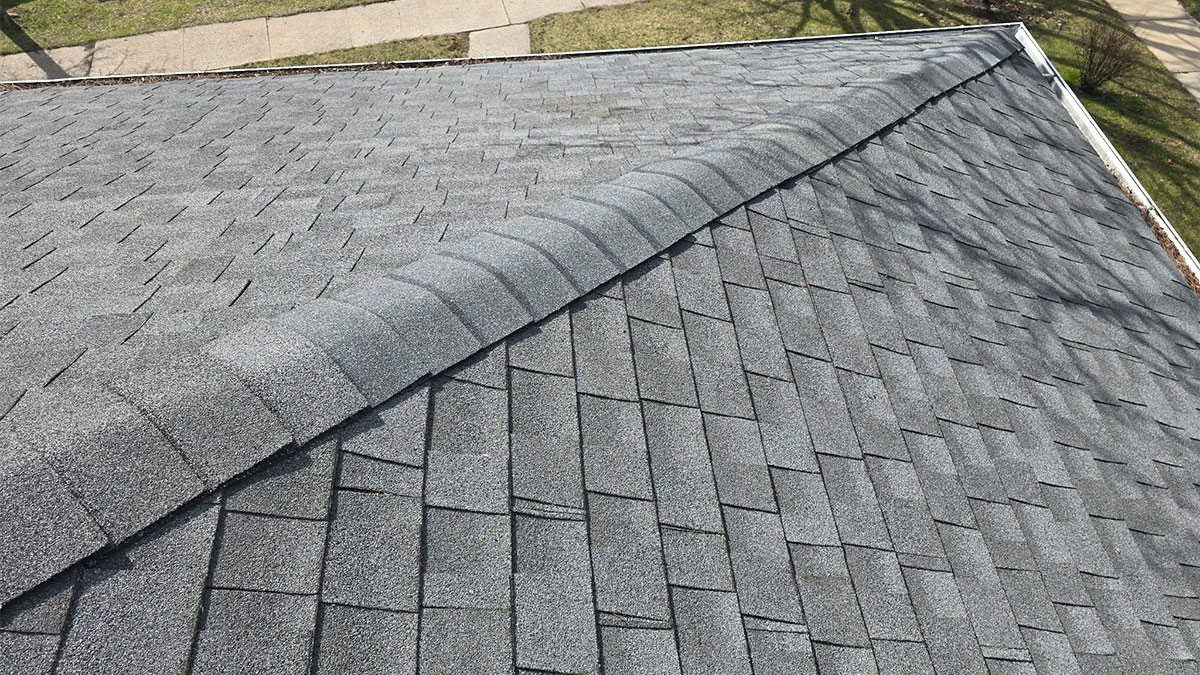
A simple roof with large, accessible sections is generally easier to work on than a roof with multiple angles, valleys, dormers, or other architectural features.
Roof pitch can also affect labor and safety requirements. Steeper roofs may require additional safety equipment, specialized procedures, and more time for installation.
Complex designs can increase the number of cuts and details involved in installing roofing materials correctly. When reviewing roof installation pricing, homeowners should consider the complexity of the roof rather than comparing properties based solely on square footage.
Choice of Roofing Material
The material selected for a new roof can have a substantial effect on project cost. Asphalt shingles are widely used and are available in different grades and styles. Metal roofing, tile, slate, and other materials can have different material and installation costs.
Even within one material category, products can vary in quality, appearance, durability, warranty coverage, and installation requirements. The best choice depends on the property’s design, climate, budget, desired appearance, and long-term maintenance expectations. Homeowners should compare the complete roofing system rather than choosing materials based solely on the lowest initial price.
Removal of the Existing Roof
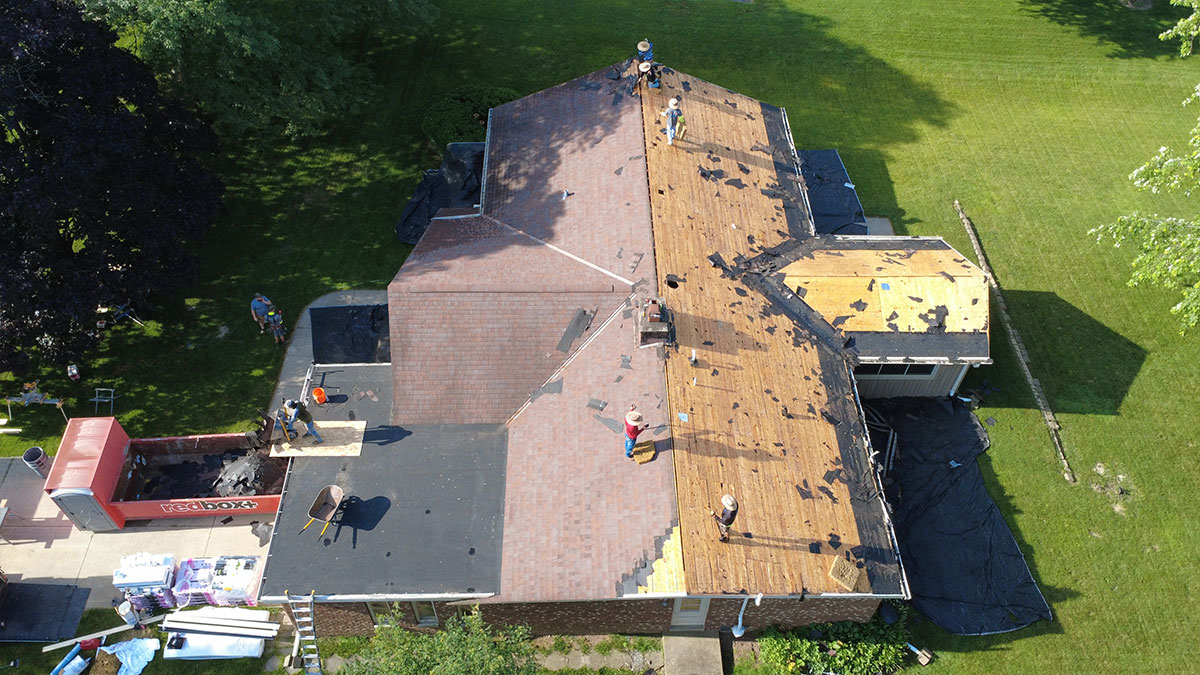
Before a new roof can be installed, the existing roofing materials may need to be removed. The amount of labor involved in tear-off depends on the existing roofing system and how many layers are present.
Removal also generates debris that must be collected and disposed of properly. A roofing estimate should make it clear whether existing roofing removal and disposal are included in the quoted price.
If a contractor proposes installing new materials over an existing roof, homeowners should ask whether that approach is appropriate for their specific roofing system and local requirements.
Condition of the Roof Deck
The roof deck provides the surface beneath the roofing materials. If the existing roof has experienced prolonged moisture intrusion, sections of the decking may have deteriorated.
Decking problems are often discovered after old roofing materials have been removed, which means they may not always be visible during an initial inspection. If damaged decking needs to be replaced, it can increase the overall roof replacement cost. A good estimate should explain how unforeseen decking damage will be handled if it is discovered during installation.
Flashing and Other Roofing Components
Roofing systems contain several components that help direct water and protect vulnerable areas. Flashing is commonly installed around chimneys, skylights, vents, walls, valleys, and other roof intersections.
If these components are damaged or deteriorated, they may need to be repaired or replaced as part of the roofing project. Replacing an aging roof without addressing failed components can leave potential weak points in the new system.
Homeowners should therefore ask whether flashing, vents, drip edges, underlayment, and other relevant components are included in the proposed work. At Fox River Home Improvements, we help homeowners understand the components included in their roofing projects so they can make informed decisions.
Roof Accessibility
How easily a roofing crew can access the property can also influence project costs. Limited access may make it more difficult to deliver materials, position equipment, remove debris, or safely move around the property.
A home surrounded by landscaping, fencing, detached structures, or other obstacles may require additional planning. Accessibility is particularly important when comparing two properties that have similar roof sizes but different layouts.
Chimneys, Skylights, and Roof Penetrations
Features that interrupt the roof surface can add complexity to replacement work. Chimneys, skylights, vents, pipes, and other penetrations require careful detailing to prevent water from entering around them.
The more roof penetrations a property has, the more areas may require flashing and additional installation work. These features should be included in the contractor’s evaluation and reflected appropriately in the roofing estimate.
Geographic and Local Factors
Roofing prices can vary by location. Labor rates, material availability, transportation requirements, local building practices, and market conditions can all influence the final cost.
Seasonal demand may also affect contractor availability and scheduling. For this reason, online national averages may provide only a general reference and should not be treated as a precise estimate for a specific property. A local contractor can provide a more meaningful assessment after evaluating the actual roof.
Seasonal Timing
The time of year can affect both scheduling and project planning. Roofing contractors may experience higher demand during certain seasons, particularly when homeowners are preparing for or responding to severe weather.
Planning ahead can provide greater flexibility when selecting a contractor and scheduling the work. However, homeowners should not postpone necessary roof replacement simply to wait for a potentially cheaper season if the existing roof is allowing water to enter the property. The condition of the roof should remain the primary consideration.
Repairs Before Replacement
In some cases, repairs may extend the service life of an otherwise functional roofing system. However, if the roof has widespread deterioration, repeated leaks, extensive storm damage, or significant structural concerns, replacement may provide a more appropriate long-term solution.
A contractor should explain why replacement is recommended and whether repair remains a reasonable alternative. Understanding this distinction can help homeowners avoid paying for unnecessary work.
Warranty and Product Selection
Warranty coverage can also influence the overall value of a roofing project. Different roofing products may have different manufacturer warranties, while contractors may provide separate workmanship warranties.
Homeowners should read the terms carefully and understand what is actually covered. A higher-priced roofing material may offer additional durability or warranty benefits, but the value depends on the specific product and installation requirements. Warranty information should be included or clearly explained as part of the roofing proposal.
Comparing Roofing Estimates
Homeowners may receive multiple estimates for the same project, but the lowest price is not necessarily the best option. One contractor may include replacement of flashing and damaged decking, while another may charge for those items separately.
One estimate may include removal of existing roofing materials, while another may assume a different installation approach. When comparing proposals, make sure you are comparing similar scopes of work. Look at the materials, labor, warranties, removal, ventilation, flashing, cleanup, and any potential additional costs.
How to Plan Your Roof Replacement Budget
Start by determining whether the roof needs immediate replacement or whether you have time to plan. Once you have a professional assessment, request detailed estimates from qualified contractors.
Consider both the initial cost and the expected long-term maintenance requirements. A lower-cost roof may require replacement sooner, while a higher-quality system may have a greater initial price but offer different durability or maintenance characteristics. Your budget should account for the complete project rather than just the visible roofing material.
Final Thoughts
Understanding the factors that influence roof replacement cost can help homeowners make better decisions when planning a major roofing project. Roof size, pitch, design, materials, labor, existing roof removal, decking condition, flashing, accessibility, ventilation, and local market conditions can all affect the final price.
When reviewing roof installation pricing, it is important to look beyond the total number. A detailed roofing estimate should explain the materials, labor, scope of work, warranties, removal, and potential additional costs.
The right roofing solution is not necessarily the cheapest one. Homeowners should consider the condition of the existing roof, the quality of the proposed materials, installation practices, expected maintenance, and long-term value. Contact us today to discuss your roofing needs and explore solutions that balance quality, durability, maintenance, and long-term value.
Frequently Asked Questions
What is the biggest factor affecting roof replacement cost?
Roof size is an important factor, but it is not the only one. Roofing material, roof pitch, design complexity, labor, existing roof condition, accessibility, and required repairs can all affect the final cost.
Does the type of roofing material affect replacement pricing?
Yes. Different roofing materials have different material costs, installation requirements, durability characteristics, and maintenance needs. The selected material can therefore have a significant effect on the total project price.
Does removing an old roof increase the cost?
Yes, existing roof removal can add labor and disposal costs. The number of roofing layers and condition of the existing system can affect the amount of work required.
Why can the final cost be higher than the original roofing estimate?
Additional problems may become visible after existing roofing materials are removed. Damaged roof decking, deteriorated flashing, or other hidden issues can require additional work. Homeowners should ask contractors how such conditions will be handled before the project begins.
Should I get multiple roofing estimates?
Obtaining multiple detailed estimates can help homeowners compare materials, scope of work, warranties, and pricing. Make sure each contractor is quoting a similar scope before comparing totals.
Related Posts