Chimney Liners
What Are Chimney Liners?
Chimney liners form a heat-resistant sleeve inside the flue. Because they seal gaps and channel smoke, they guard masonry against flames, acids, and moisture. Most building codes now require a liner, therefore every homeowner should know which style fits both fuel and budget.
Why Chimney Liners Matter
Without a liner, hot gases contact bare brick. Consequently, mortar weakens, tiles crack, and dangerous carbon monoxide can leak indoors. In addition, creosote gathers faster on rough walls, so chimney-fire odds rise. A sound liner, however, keeps heat inside the flue, boosts draft, and directs exhaust safely outside.
Main Types of Chimney Liners
1. Clay Tile Liners
Clay tile makes up the bulk of liners in older homes. These pieces cost less and resist normal wood-burning temperatures. However, they can crack during sudden chimney fires and are difficult to repair because each tile must be removed from the stack.
2. Stainless Steel Liners
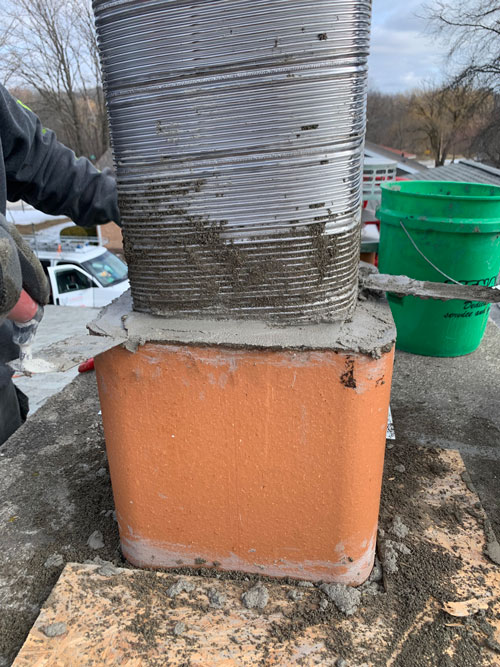
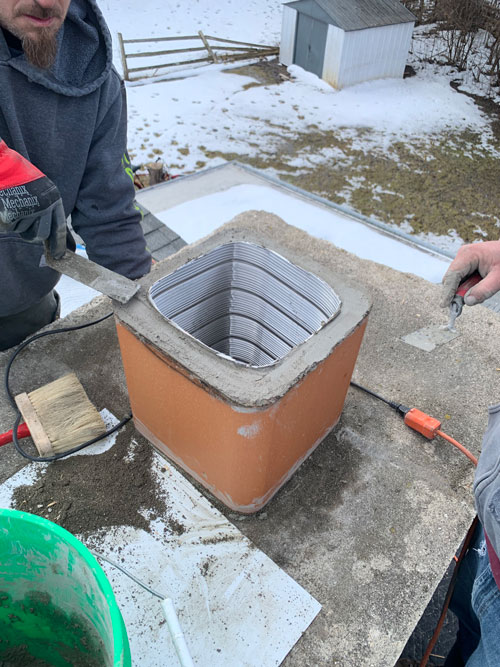
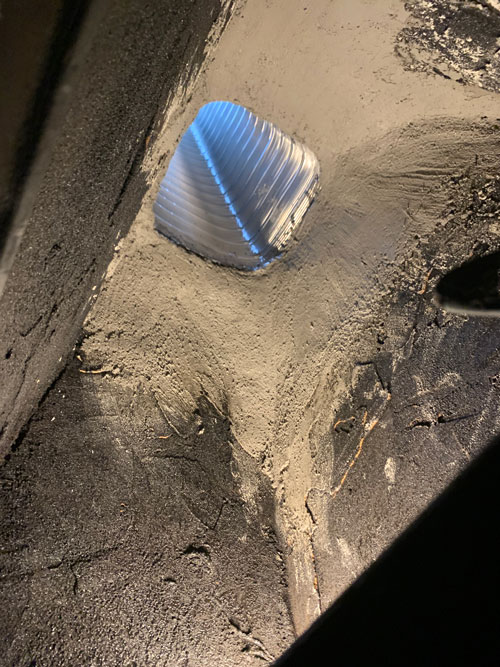
Stainless steel chimney liners suit modern gas, oil, or wood appliances. The metal will not rust, and flexible sections snake through crooked flues, which speeds installation. Although the material costs more than clay, its long life and wide fuel range often offset the higher price.
3. Cast-in-Place Liners
Cast-in-place systems use a pumped insulation mix that hardens into a smooth tube. As a result, they strengthen weak chimneys and improve draft. Yet the process demands skill and, therefore, usually carries the highest upfront cost.
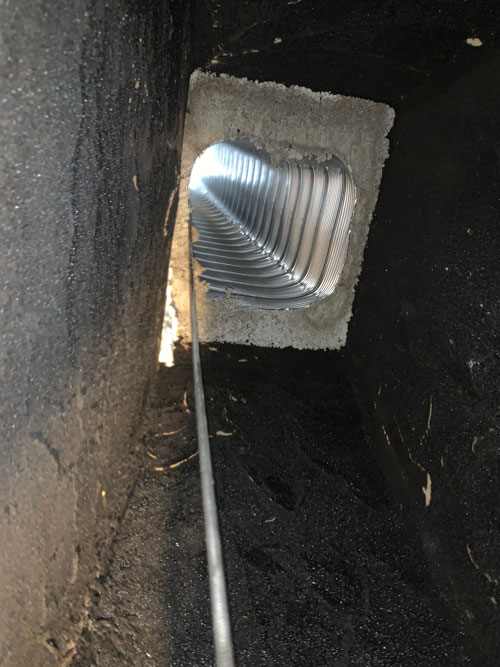
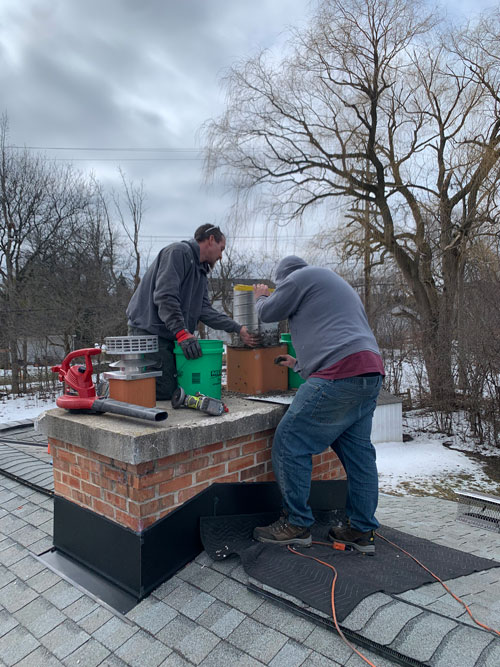
Stainless Steel Liner Install
Choosing the Right Chimney Liner
First, note your fuel: wood needs thick walls; high-efficiency gas needs airtight stainless. Second, inspect the current flue for size and damage. Older, unlined stacks may require a flexible liner that slips through tight bends. Finally, check local code because some towns insist on stainless steel for oil or gas furnaces.
Quick Comparison at a Glance
- Clay tile: Low cost, long life, harder repairs
- Stainless steel: Broad fuel use, easy fit, higher price
- Cast-in-place: Adds strength, best draft, premium cost
Installation and Maintenance Tips
Because liner failures can cause fires, hire a certified chimney sweep for any install. The crew will size the tube, add top insulation, and secure a new cap. Afterward, schedule a sweep each year. Regular cleaning removes creosote, checks joints, and catches small cracks before they spread. Therefore, your investment stays safe for decades.
Key Takeaways
- Safety boost: Chimney liners stop heat and gases from eroding brick.
- Fuel match: Choose clay for standard wood fires, stainless for multiple fuels, or cast for weak stacks.
- Code compliant: Modern rules demand a liner in nearly every chimney.
- Pro install: Certified sweeps size, fit, and test the system.
- Annual care: Clean and inspect yearly to keep draft strong and hazards low.
What Fox River Clients Are Saying