
What You Can & Can’t Burn
Firewood & Fireplace Guide
The Basics
-
Always burn well-seasoned, dry firewood with 15–25% moisture content.
-
Freshly cut wood has 40–50% moisture, leading to poor fires, more smoke, and creosote buildup.
-
Use a moisture meter for accuracy. Split a log and test—over 25% means it still needs seasoning.
Signs of seasoned wood
-
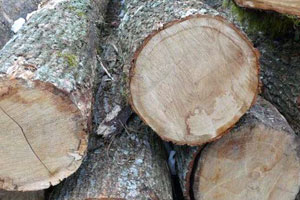
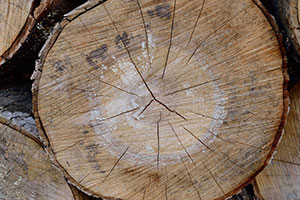
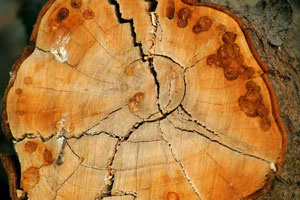
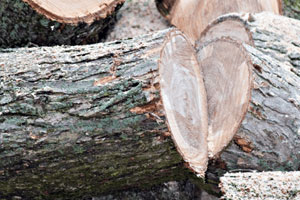
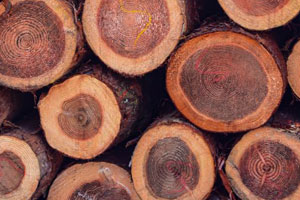
Darkened, cracked ends
-
Lighter weight
-
Clear “clunk” sound when struck
Buying Firewood
-
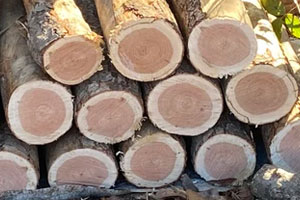
Cord: 128 cu. ft. (8′ x 4′ x 4′)
-
Face cord: 8′ x 4′ stack, depth depends on cut length (e.g., 16” = ⅓ cord).
-
Rick: just a pile.
-
Truckload: varies by truck size.
Tip: Mark out 4′ x 8′ storage sections, pay for stacking, and only pay once the delivery measures up.
Heat tip: Hardwood cords weigh twice as much as softwood cords—nearly double the heat.
Hardwoods vs. Softwoods
-
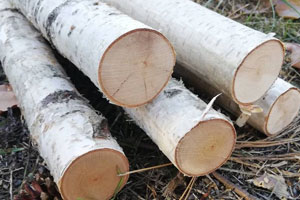
Softwoods (pine, cedar, fir): Light, ignite fast, less heat, burn quickly.
-
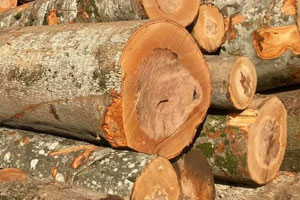
Hardwoods (oak, maple, hickory): Dense, harder to start, hotter and longer burn.
Best practice:
-
Use softwoods for kindling or mild weather.
-
Save hardwoods for cold months.
Storage & Seasoning
-
Cut and split wood 6–12 months ahead.
-
Store off the ground, covered on top but open on sides for airflow.
-
Woodshed is ideal; otherwise, sunny piles with tarps during rain/snow.
-
Wood lasts 3–4 years if stored properly.
What NOT to Burn
-
Green/wet wood
-
Christmas trees
-
Trash, wrapping paper, cardboard, or pizza boxes
-
Treated, painted, or construction wood (toxic fumes)
-
Plastics, Styrofoam, or accelerants (gas, kerosene)
-
Driftwood (salt produces toxins)
Other Fuels
-
Creosote logs: Won’t replace chimney sweeping.
-
Artificial logs (Duraflame, etc.): Safe if used correctly. Burn one at a time, follow instructions, and never use in woodstoves.
Final Tip
With seasoned wood, smart storage, and safe practices, you’ll enjoy efficient, clean, and cozy fires all winter.
FIREWOOD SEASONING GUIDE
Months
10
20
30
Honest, Affordable & Experienced
The Clear Choice for your home improvement needs.
What Fox River Clients Are Saying