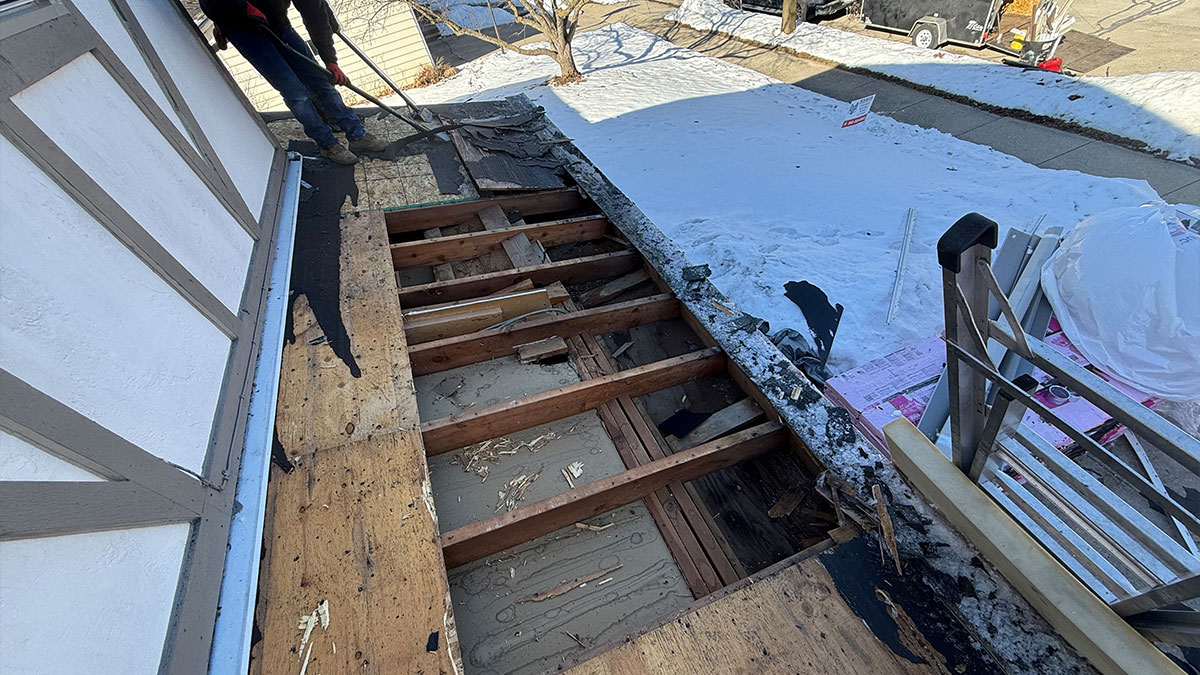
Wondering, 'Does homeowners insurance cover roof replacement?' Learn what damage is covered, common exclusions, and how to file a successful claim. Get a...
How to Choose a Reliable Home Improvement Contractor
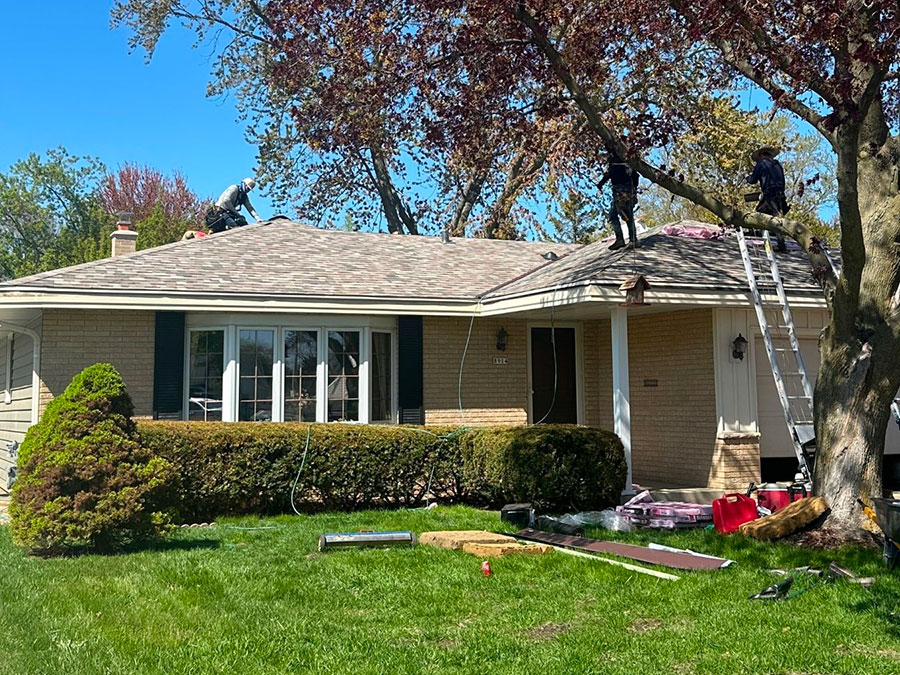 Choosing the right professional for your home improvement project is one of the most important decisions a homeowner can make. Whether you are planning a kitchen renovation, bathroom upgrade, structural repair, or full-scale remodeling, the contractor you hire will directly influence the quality, safety, cost, and long-term value of your home.
A skilled and reliable home improvement specialist ensures that your project is completed according to plan, meets local building regulations, and stays within budget. On the other hand, hiring the wrong contractor can result in delays, poor workmanship, hidden costs, and unnecessary stress.
For homeowners, especially those investing significant money into their property, selecting the right contractor is not just a preference. It is a necessity. This guide explains how to evaluate contractors properly, what to look for, what to avoid, and how to make a confident and informed decision.
Understanding the Role of a Home Improvement Specialist
A home improvement specialist is responsible for managing and executing residential construction and renovation projects. Their work often includes coordinating multiple trades such as electricians, plumbers, carpenters, and painters to complete a project successfully.
They are not just builders; they are project managers who oversee planning, budgeting, scheduling, and compliance with safety standards. A good contractor ensures that every stage of the project runs smoothly, from initial planning to final completion. Because they handle both technical and managerial responsibilities, their expertise has a direct impact on the outcome of your home improvement project.
Why Choosing the Right Contractor Matters
Home improvement projects are long-term investments that affect both the appearance and functionality of your home. Poor workmanship can lead to structural problems, safety hazards, and repeated repair costs.
A reliable contractor ensures that the work is done correctly the first time. They use proper materials, follow building codes, and maintain professional standards throughout the project. This not only improves the durability of your home but also enhances its market value.
In contrast, an inexperienced or unreliable contractor may cut corners, ignore regulations, or mismanage resources, leading to costly problems in the future.
Defining Your Project Before You Start
Before contacting any contractor, it is important to clearly define your project requirements. Many homeowners make the mistake of reaching out too early without a clear understanding of what they want, which often leads to confusion and inaccurate estimates.
Take time to identify what you need, whether it is a minor repair or a complete renovation. Consider your budget, expected timeline, and any specific design preferences. The clearer your plan is, the easier it becomes for contractors to provide accurate proposals.
A well-defined project also helps you compare different contractors more effectively and avoid miscommunication later in the process.
Checking Licensing and Credentials
One of the most important steps in hiring a home improvement specialist is verifying their license. A licensed contractor has met specific legal requirements and is authorized to perform construction or renovation work in your area.
This ensures they have the necessary skills, knowledge, and training to complete the job safely and correctly. Always ask for proof of licensing and verify it with local authorities if possible.
Hiring an unlicensed contractor may seem cheaper initially, but it increases your risk significantly. In many cases, it can also lead to legal issues if something goes wrong during or after the project.
Verifying Insurance Coverage
Insurance is another critical factor that should never be overlooked. A professional contractor should carry both liability insurance and worker’s compensation coverage.
Liability insurance protects your property in case of accidental damage during the project. Worker’s compensation covers injuries that may occur on-site, ensuring you are not held financially responsible.
Before signing any agreement, always request valid insurance documents and confirm that they are up to date. This simple step provides important financial protection and peace of mind.
Evaluating Experience and Past Work
Experience plays a major role in determining the quality of work you can expect. A contractor who has been in the industry for several years is more likely to handle unexpected challenges effectively.
When evaluating experience, it is important to look beyond the number of years and focus on the type of projects they have completed. At Fox River Home Improvements, a contractor who specializes in kitchen remodeling, for example, may not be the best choice for roofing work.
Reviewing past projects gives you a clear idea of their workmanship, attention to detail, and design capability. Many contractors also provide before-and-after examples that help you assess their skill level.
Understanding Reviews and Reputation
Online reviews are a valuable tool when researching contractors. They provide insight into real customer experiences and highlight strengths and weaknesses.
However, reviews should be interpreted carefully. Look for consistent patterns rather than isolated comments. Positive feedback about communication, reliability, and quality of work is a strong indicator of professionalism.
At the same time, repeated complaints about delays or poor workmanship should be considered a warning sign. Combining online reviews with personal recommendations often gives a more accurate picture of a contractor’s reputation.
Getting Multiple Quotes
It is always advisable to get multiple quotes before making a final decision. This helps you understand the average cost of your project and avoid overpaying.
However, price alone should not be the deciding factor. A very low quote may indicate the use of poor-quality materials or hidden costs later on. Instead, focus on value, which includes experience, materials, timeline, and overall professionalism. A detailed quote should clearly explain what is included in the price, helping you compare contractors more effectively.
Communication and Professionalism
Good communication is one of the most important indicators of a reliable contractor. From the first interaction, pay attention to how clearly and promptly they respond to your questions.
A professional contractor should be transparent about timelines, costs, and potential challenges. They should also be willing to explain the process in simple terms without avoiding difficult questions. Poor communication at the beginning of a project often leads to misunderstandings and frustration later on, so this is an important factor to evaluate early.
Importance of a Written Contract
A written contract is essential before starting any home improvement project. It protects both the homeowner and the contractor by clearly defining expectations.
The contract should include the scope of work, payment schedule, timeline, materials, and warranty details. Without a written agreement, there is a higher risk of disputes and misunderstandings. Never rely on verbal agreements, as they are not legally binding in most cases and can lead to complications.
Warning Signs to Avoid
There are several red flags that homeowners should watch out for when hiring a contractor. These include requests for large upfront payments, refusal to provide documentation, lack of licensing, and pressure to make quick decisions.
Another warning sign is unusually low pricing compared to other quotes. While it may seem attractive, it often leads to compromised quality or unexpected additional costs. If anything feels unclear or rushed, it is better to step back and explore other options.
Benefits of Hiring Local Contractors
Hiring a local home improvement specialist offers several advantages. Local contractors are familiar with regional building codes, weather conditions, and supplier networks. They are also more accessible for follow-up work or warranty-related issues. This makes communication easier and increases accountability.
For homeowners, choosing a local contractor often leads to a smoother and more reliable experience.
Conclusion
Choosing a reliable home improvement contractor requires careful planning and evaluation. From checking licenses and insurance to reviewing experience, communication, and contracts, every step plays an important role in ensuring a successful project. Contact us today to discuss your project and connect with trusted professionals for your home improvement needs.
A trustworthy home improvement specialist not only completes the work efficiently but also delivers long-term value, safety, and peace of mind. By taking the time to research and compare options, homeowners can avoid costly mistakes and achieve better results.
The right contractor is not just someone who completes a job—it is a professional who brings expertise, transparency, and reliability to your home improvement journey.
Frequently Asked Questions
Q1: Why is licensing important for contractors?
It ensures the contractor is qualified and meets legal requirements.
Q2: Should I always choose the cheapest quote?
No, focus on overall value and quality rather than price alone.
Q3: How many contractors should I compare?
At least two to three contractors for proper comparison.
Q4: Why is a written contract necessary?
It clearly defines scope, cost, and responsibilities for both parties.
Q5: What is the benefit of hiring a local contractor?
They are more accessible and familiar with local regulations.
Related Posts