A roof does not usually go from being completely healthy to needing a full replacement…
What Are The Warning Signs Of Roof Failure?
 Your home’s roof is its primary shield against the elements, but it doesn’t last forever. Understanding what are the warning signs of roof failure? is crucial for every homeowner to prevent minor issues from escalating into catastrophic and expensive damage. Consequently, recognizing these indicators early allows you to take proactive steps, safeguarding your property’s structural integrity and your family’s safety. This guide will walk you through the critical signs to look for both inside and outside your home.
Interior Clues: The First Place to Look
Often, the first evidence of a roofing problem appears inside your house. Therefore, paying attention to your ceilings and attic space can provide valuable early warnings. These signs indicate that water has already breached the outer defenses of your roof.
Water Stains and Discoloration
One of the most obvious signs of a leak is water staining on your ceilings or walls. These stains might look like dark, discolored patches, circles, or streaks. Importantly, they often appear after heavy rain or snowmelt. You might also notice peeling or bubbling paint in these areas. If you see this, it’s a clear signal that moisture is getting in, and you should investigate the source immediately before it leads to more significant water damage or mold growth.
Sagging Roof Deck
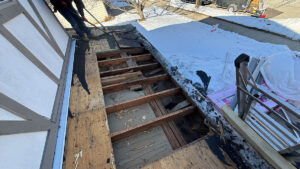
Take a look at your roofline from the outside and your ceilings from the inside. Do you notice any sagging or drooping? A sagging roof deck is a serious structural issue. Furthermore, it often indicates that the underlying decking material, usually plywood or OSB, has been compromised by prolonged moisture exposure. This is a critical warning sign that demands immediate professional attention, as it suggests a risk of collapse.
Exterior Red Flags: What to Spot from the Ground
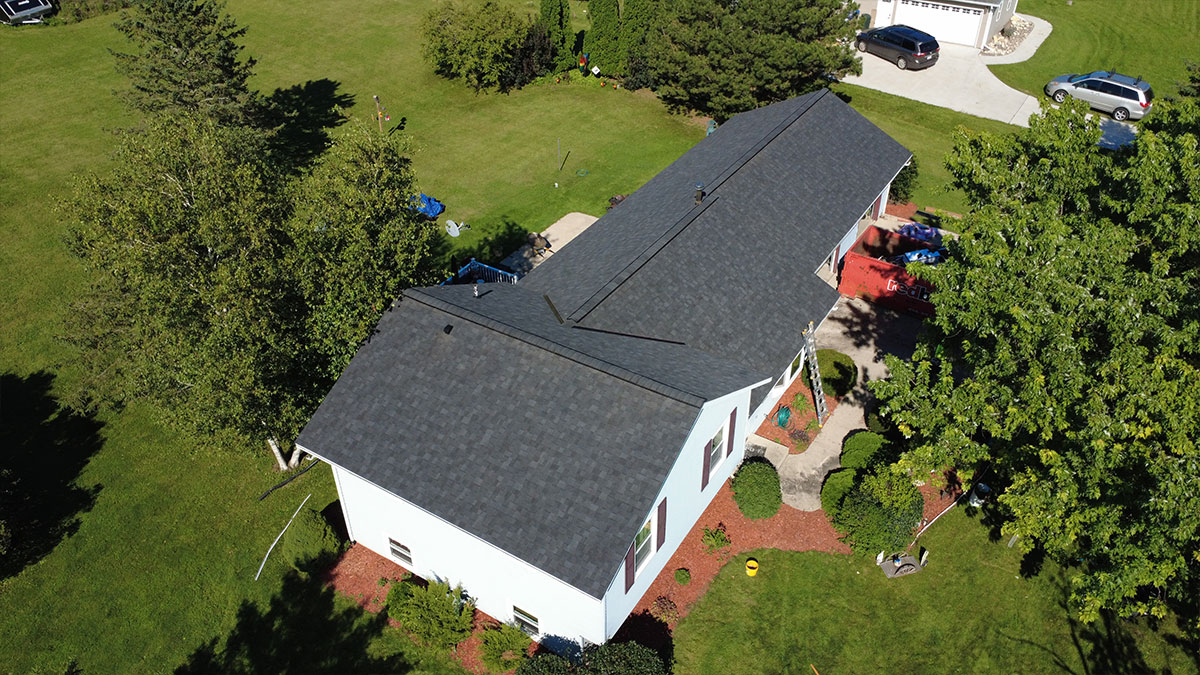
While interior signs are urgent, regular exterior checks can help you catch problems before they penetrate your home. You can spot many of these issues with a simple visual inspection from your yard. For example, a quick scan with binoculars can reveal details you might otherwise miss.
Damaged or Missing Shingles
Your shingles are the frontline defense. Look for any that are curling at the edges, cracked, or have buckled. Additionally, check for any shingles that are completely missing, which often occurs after a windstorm. These vulnerabilities create direct pathways for water to seep underneath and damage the roof deck. According to FEMA, properly secured roof coverings are essential for protecting a home during severe weather events.
Granules in the Gutters
Asphalt shingles are coated with small, sand-like granules that protect them from the sun’s harsh UV rays. As a roof ages, these granules begin to wear away and wash into the gutters. If you find a significant accumulation of these granules in your downspouts or gutters, it means your shingles are nearing the end of their lifespan. As a result, they are becoming brittle and less effective at protecting your home.
Why is it Important to Know What are the warning signs of roof failure?
Ignoring the indicators of a failing roof can lead to a cascade of problems far beyond a simple leak. Specifically, knowing what are the warning signs of roof failure? empowers you to act before the damage becomes severe and widespread. Chronic moisture intrusion can rot wooden framing, destroy insulation, and create a breeding ground for hazardous black mold. Moreover, a compromised roof can significantly impact your home’s energy efficiency, leading to higher heating and cooling bills. Eventually, you will face the question of deciding between roof replacement vs. repair, and early detection often makes a repair a more viable option.
How Can You Proactively Maintain Your Roof?
Proactive maintenance is the most effective way to extend your roof’s life and prevent unexpected failure. Instead of waiting for problems to appear, a consistent maintenance schedule can save you thousands of dollars in the long run. Similarly, it provides peace of mind knowing your home is secure.
- Conduct Regular Inspections: At least twice a year (in the spring and fall), walk around your property and use binoculars to inspect your roof for the exterior signs mentioned above. After major storms, perform an additional check for any new damage.
- Keep Gutters Clean: Clogged gutters can cause water to back up and seep under the edge of the roof, leading to rot. Ensure your gutters and downspouts are clear of leaves and debris.
- Trim Overhanging Branches: Large tree limbs hanging over your roof can scrape and damage shingles during high winds. In a worst-case scenario, they can fall and cause severe structural damage.
- Schedule Professional Assessments: While self-inspections are helpful, they are not a substitute for an expert evaluation. Having professional roof inspections every few years can identify subtle issues you might miss.
Final Thoughts: Taking Action on Roof Failure Signs
Your roof is one of the most critical components of your home, and its health is not something to be taken for granted. By learning to identify the warning signs of roof failure, you can protect your investment and avoid the stress of an emergency situation. From a small water spot on the ceiling to a few missing shingles, every sign is a message that your roof needs attention. The National Roofing Contractors Association (NRCA) provides extensive resources for homeowners on this topic. Ultimately, if you’ve noticed any of the issues discussed in this guide, the next step is clear. Don’t wait for the problem to worsen. It’s time to choose a reliable home improvement contractor to perform a thorough inspection and recommend the best course of action. Contact a trusted professional today to ensure your home remains safe and dry for years to come.
Related Posts