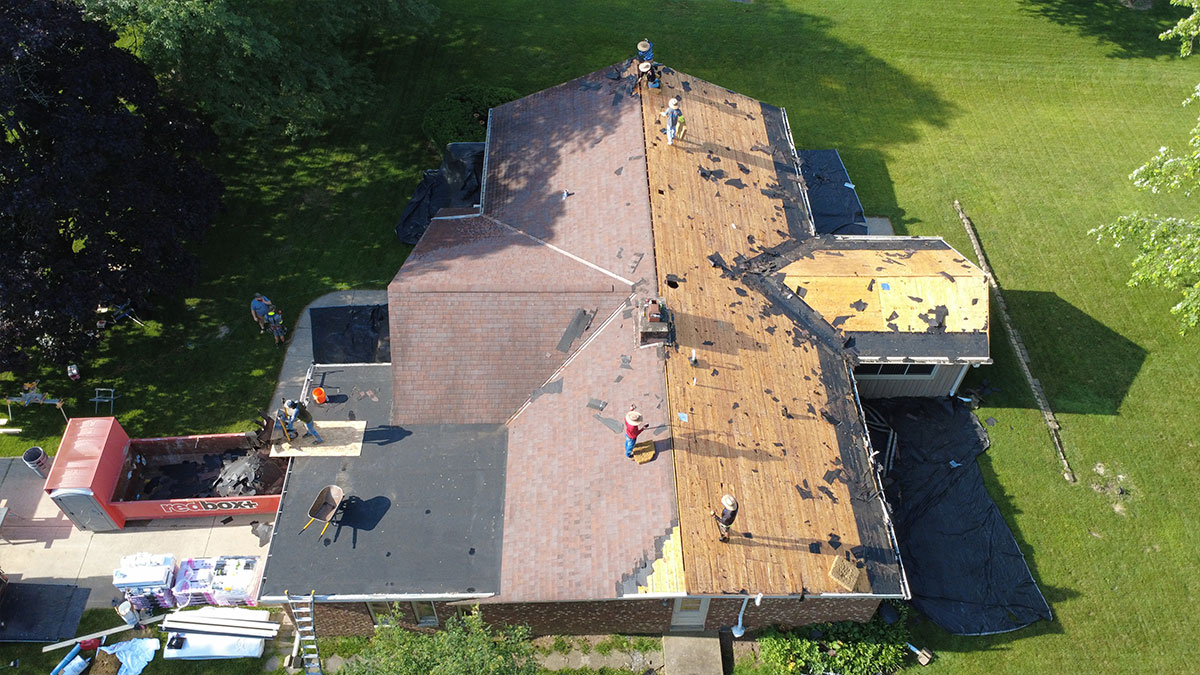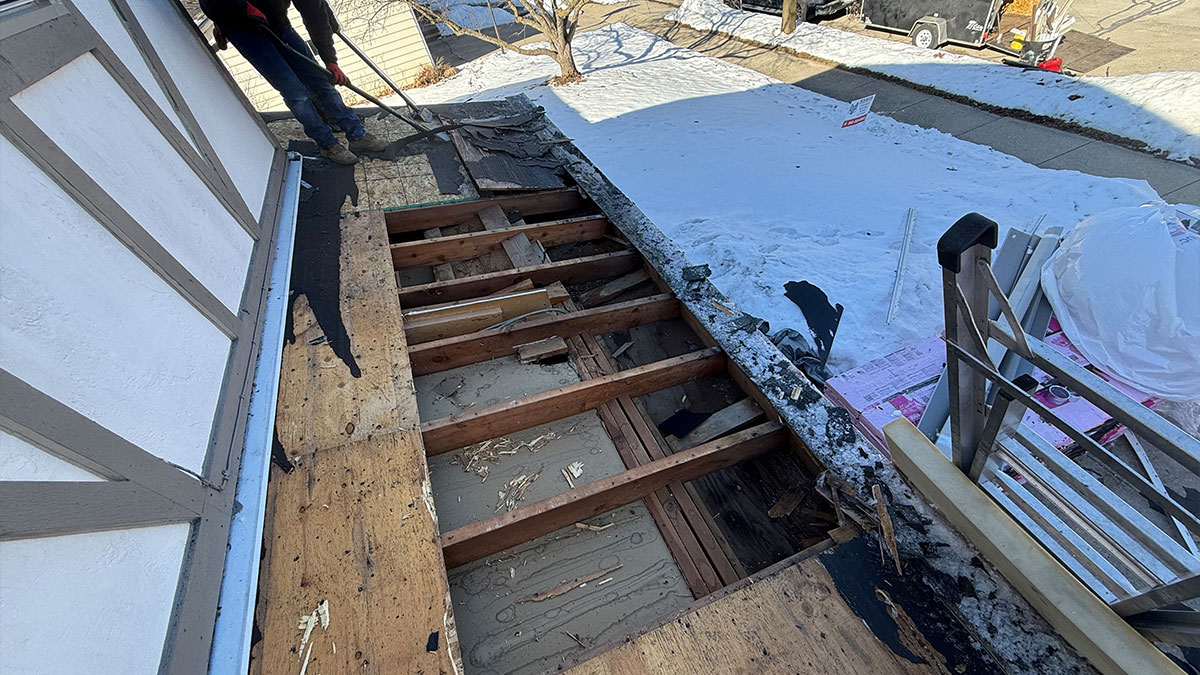
Wondering, 'Does homeowners insurance cover roof replacement?' Learn what damage is covered, common exclusions, and how to file a successful claim. Get a...
How Much Does A Roof Replacement Cost?
 Facing a new roof installation can feel overwhelming, especially when you start to consider the budget. Therefore, understanding the answer to the question, how much does a roof replacement cost?, is the critical first step for any homeowner. This guide breaks down the essential components that determine the final price, helping you plan effectively and invest wisely in your home’s most important protective layer. The cost isn’t just a single number; it’s a combination of materials, labor, and several other variables.
What Are the Main Factors Influencing Roof Replacement Cost?
The total price of a new roof is not arbitrary. In fact, it’s calculated based on a specific set of factors that can vary significantly from one home to another. By understanding these elements, you can better anticipate your project’s budget and have more informed conversations with contractors. Let’s explore the primary drivers behind the cost.
Roofing Material
The material you choose is arguably the biggest factor. Asphalt shingles are the most common and affordable option, but other materials offer different benefits in terms of longevity and aesthetics. For example, metal roofing, while more expensive upfront, can last twice as long. Similarly, materials like slate or tile are premium choices with a corresponding premium price tag.
Roof Size, Pitch, and Complexity
Logically, a larger roof requires more materials and more labor, increasing the overall cost. Furthermore, the pitch or steepness of your roof plays a significant role. A very steep or complex roof with multiple gables, valleys, and dormers is more dangerous and time-consuming for a crew to work on, which drives up labor costs. In contrast, a simple, low-pitch gable roof will be on the lower end of the cost spectrum.
Labor Costs and Contractor Choice
Labor can account for 40-60% of the total project cost. This fee covers the removal of the old roof, installation of the new one, and cleanup. The rates vary based on your geographic location and the experience and reputation of the contractor. While it might be tempting to choose the cheapest bid, it’s crucial to select a qualified and insured professional. Consequently, choosing the right roof replacement contractor is as important as selecting the right materials.
A Breakdown of Costs by Material Type
To give you a clearer picture, here is a general overview of what you can expect to pay per square foot for different materials. Keep in mind these are estimates and can change based on market conditions and your specific project details.
- Asphalt Shingles: Typically the most budget-friendly option, asphalt shingles are popular across the country. They offer a good balance of durability and cost-effectiveness, with a lifespan of 15-30 years.
- Metal Roofing: This includes materials like steel, aluminum, and copper. Metal roofs are highly durable, energy-efficient, and can last 50 years or more. However, the initial investment is significantly higher than for shingles.
- Wood Shakes or Shingles: For a natural, rustic look, wood is an attractive option. It requires more maintenance and is not ideal for fire-prone areas, but it provides excellent insulation.
- Slate or Tile: These are luxury roofing materials known for their beauty and incredible longevity, often lasting over 100 years. They are very heavy, however, and may require structural reinforcement, adding to the overall project cost.
Why Understanding How Much a Roof Replacement Cost Matters
Budgeting for a major home improvement project is essential. When you have a solid grasp of how much does a roof replacement cost, you can avoid surprises and financial strain. This knowledge empowers you to evaluate quotes from different contractors more effectively, spotting bids that are either too high or suspiciously low. Importantly, it helps you differentiate between a necessary expense and a potential upsell. Sometimes, a full replacement is not immediately necessary, and you might be better off deciding between a roof replacement vs. repair for minor issues. A clear understanding of costs ensures you make the best long-term investment for your property’s safety and value.
Are There Hidden Costs to Consider?
Beyond the primary expenses, several other costs can arise during a roof replacement. Being aware of these potential additions can help you create a more accurate budget.
- Decking Repair: Once the old shingles are removed, the crew might find that the underlying wood decking is rotted or damaged. Repairing or replacing this decking will be an additional charge.
- Underlayment and Flashing: High-quality underlayment provides a crucial water barrier. Additionally, replacing flashing around chimneys, vents, and skylights is a standard part of a quality job and should be included in your quote.
- Permits and Disposal Fees: Most municipalities require a permit for a roof replacement. Your contractor usually handles this, but the cost is passed on to you. Similarly, there are fees for the disposal of the old roofing materials.
- Ventilation Improvements: Proper attic ventilation is key to your roof’s longevity and your home’s energy efficiency. If your current system is inadequate, your contractor may recommend upgrades. For example, adding ridge vents can improve airflow significantly.
Finally, it’s worth noting that energy-efficient materials, like certain cool-roofing shingles, might be eligible for tax credits or rebates. You can find more information on qualifying products from sources like ENERGY STAR®.
Key Takeaways on Your Roofing Investment
Ultimately, determining how much does a roof replacement cost involves a detailed assessment of your specific home and material choices. The key is to gather multiple, detailed quotes from reputable contractors and understand every line item. Don’t focus solely on the bottom-line price; consider the quality of materials, the warranty offered, and the contractor’s reputation. A new roof is a significant investment that protects your home for decades, so making an informed decision is paramount. If the upfront cost is a concern, remember to ask about available financing options to make the project more manageable. A well-planned roof replacement will provide peace of mind and add significant value to your home.
Related Posts