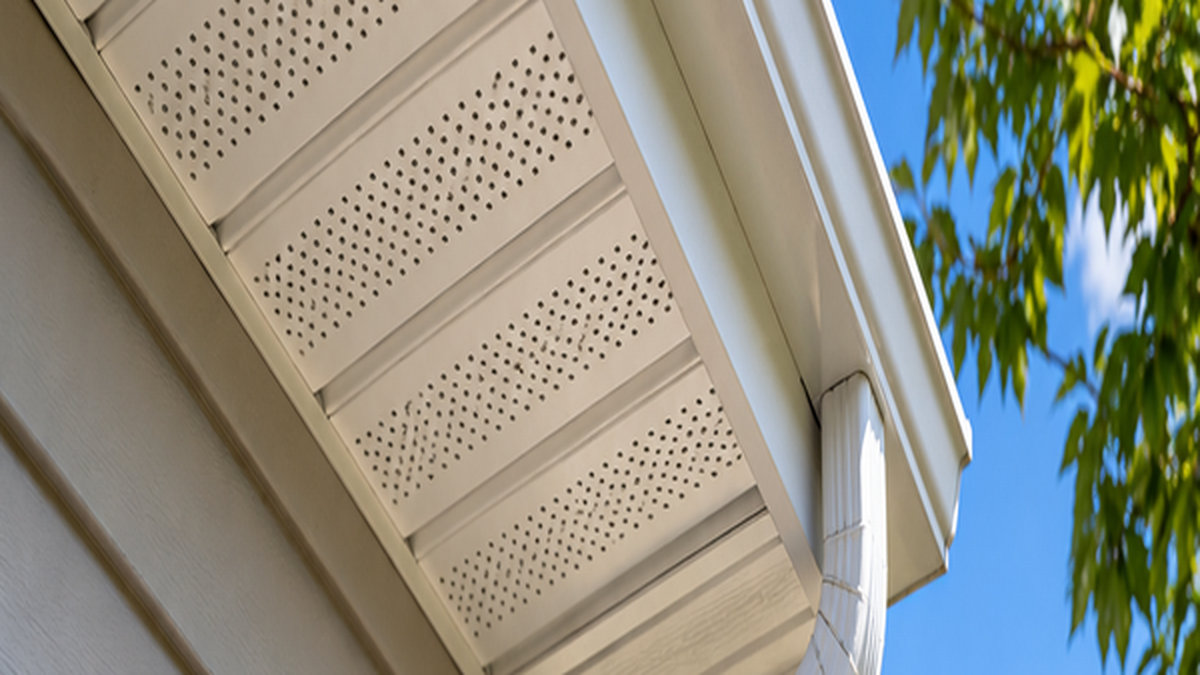
Wondering why are soffit vents important? These crucial components regulate attic temperature, prevent moisture damage, and extend your roof's lifespan....
What Is The Best Siding For A House?
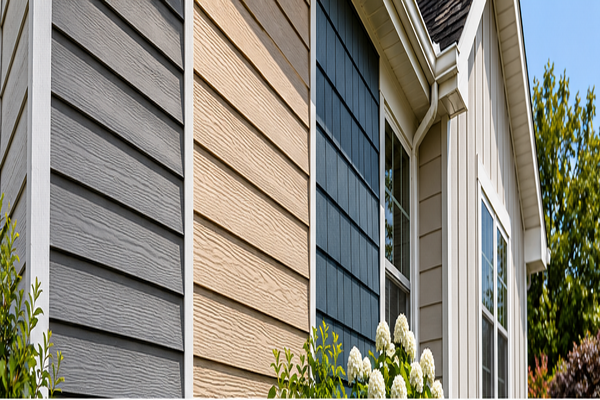 Deciding on what is the best siding for a house? is a significant decision for any homeowner. Siding is more than just your home’s outer skin; it defines its curb appeal, provides critical protection against the elements, and plays a major role in your property’s overall value. With numerous materials available, each with its own set of benefits and drawbacks, making the right choice can feel overwhelming. Consequently, this guide breaks down the most popular options to help you make an informed decision that aligns with your budget, aesthetic preferences, and long-term goals.
Key Factors to Consider When Choosing Siding
Before diving into specific materials, it’s crucial to understand the criteria for evaluating them. Your ideal siding will strike a balance between performance, appearance, and cost. Therefore, consider these essential factors:
- Durability: How well does the material stand up to local weather conditions, such as rain, wind, snow, and sun exposure? Furthermore, is it resistant to pests, rot, and fire?
- Cost: This includes not only the price of the material itself but also the cost of installation. Some materials are heavier or more complex to install, which increases labor expenses.
- Maintenance: Consider how much time and money you are willing to invest in upkeep. Some siding requires regular painting, staining, or cleaning, while others are virtually maintenance-free.
- Aesthetics: The siding you choose has a massive impact on your home’s appearance. Think about the style, texture, and color options available and how they complement your home’s architecture.
- Energy Efficiency: Certain siding materials offer better insulation, which can help reduce your heating and cooling costs over time. This is an important long-term investment consideration.
Comparing the Most Popular Siding Materials
With the key factors in mind, let’s explore the pros and cons of the most common siding choices on the market today. Each material offers a unique combination of features that may make it the right fit for your home.
Vinyl Siding: The Budget-Friendly Choice
Vinyl is the most popular siding material in the United States, primarily due to its affordability and low maintenance. It is made from PVC (polyvinyl chloride) plastic and comes in a vast array of colors and styles, including some that mimic the look of wood grain. Importantly, the color is baked into the material, so you never have to worry about painting it.
However, vinyl has its downsides. It can crack or become brittle in extreme cold and may fade after years of direct sun exposure. While it’s a durable option for many climates, a severe impact from a hailstorm or a stray baseball can cause it to dent or break. Despite this, for many homeowners, its low cost and ease of care make it an attractive option.
Fiber Cement Siding: Durability and Versatility
Fiber cement is a composite material made of sand, cement, and cellulose fibers. It is renowned for its exceptional durability and versatility. For example, it can be manufactured to convincingly replicate the appearance of wood, stucco, or stone. Unlike wood, it is non-combustible and resistant to termites and rot. Additionally, it holds paint well, requiring less frequent repainting than wood siding.
The primary drawbacks of fiber cement are its weight and cost. It is significantly heavier than vinyl, which makes installation more labor-intensive and expensive. The material cost is also higher. Nevertheless, its long lifespan and resilience make it a worthwhile investment for those seeking a long-term solution that combines beauty with strength. Proper installation is key to prevent water intrusion and costly siding repairs down the line.
Wood Siding: Classic Beauty with High Maintenance
For timeless, classic beauty, nothing quite compares to natural wood siding. Available in shingles, shakes, and clapboard styles, wood offers a rich, traditional look that can enhance any home’s architectural character. Common wood types include cedar, pine, and redwood, each offering a distinct grain and color. Wood is also a relatively good insulator.
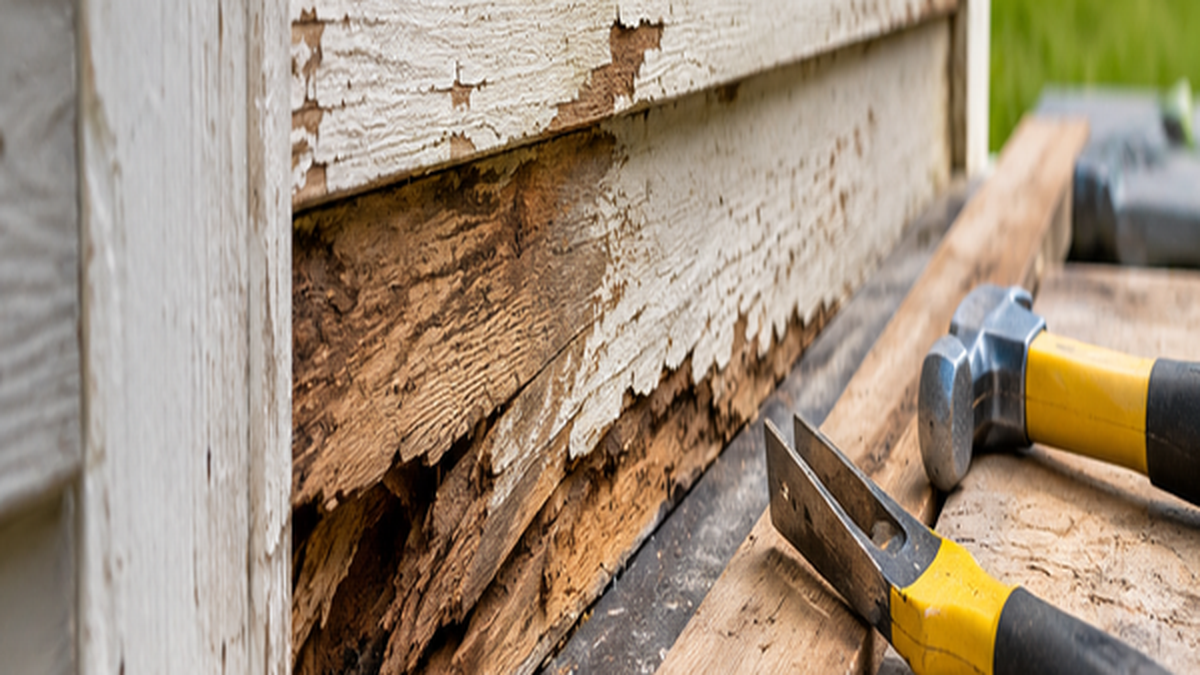
This beauty, however, comes at a price. Wood siding requires significant maintenance, including regular painting or staining every few years to protect it from moisture and sun damage. It is also vulnerable to pests like termites and woodpeckers, as well as rot if not properly cared for. As a result, while its aesthetic appeal is undeniable, the commitment to upkeep is a major consideration.
What is the best siding for a house? A Detailed Breakdown
Ultimately, answering the question of what is the best siding for a house? depends entirely on your priorities. There is no single ‘best’ option for everyone. If your primary concern is budget and low maintenance, vinyl siding is likely your top contender. In contrast, if you prioritize maximum durability and are willing to invest more upfront for a long-lasting, versatile product, fiber cement is an excellent choice. For those who value natural aesthetics above all and don’t mind the required upkeep, wood siding remains a beautiful, classic option.
Considering these trade-offs is the most effective way to determine the right material for your specific home, climate, and lifestyle. Making this choice is a part of how a home improvement specialist can increase your property value, ensuring both protection and curb appeal.
What Are My Siding Options?
Homeowners have several excellent siding options, each with unique benefits. Vinyl siding is a cost-effective and low-maintenance choice available in many colors. Fiber cement offers superior durability and can mimic the look of wood or stone without the high upkeep. Natural wood provides a classic, beautiful aesthetic but requires regular maintenance. Finally, metal siding offers a modern, highly resilient option. Evaluating these based on your budget, climate, and desired style will help you choose the best fit for your home.
Choosing new siding is a significant investment in your home’s exterior, similar to deciding between a roof repair or replacement. For homeowners who are also considering other major exterior projects, understanding the value of combining services can be beneficial. For instance, tackling roofing and siding simultaneously can streamline the process and potentially save costs, much like the benefits discussed in combining roofing and chimney services.
Final Thoughts: Making Your Siding Decision
Choosing the right siding is a balancing act between aesthetics, durability, maintenance, and cost. By carefully evaluating each material against your personal needs and local climate, you can confidently select an option that will protect and beautify your home for years to come. From the affordability of vinyl to the robust nature of fiber cement and the classic charm of wood, the ideal solution is out there. When you’re ready to take the next step, consulting with a professional can provide personalized recommendations and ensure a flawless installation. Answering ‘what is the best siding for a house?‘ is the first step toward a major home transformation.
Related Posts