Wondering why are soffit vents important? These crucial components regulate attic temperature, prevent moisture damage, and extend your roof's lifespan....
Can Rotten Wood Siding Be Repaired?
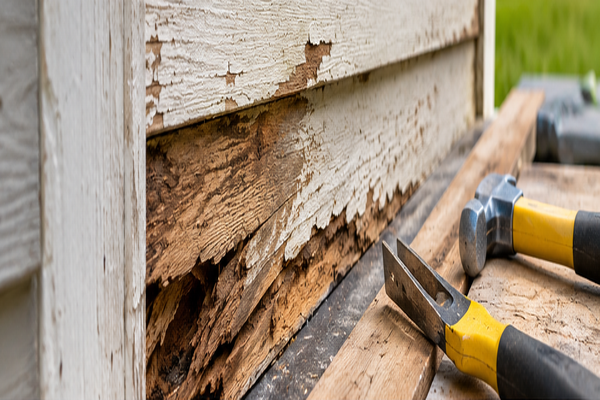 Discovering rot on your home’s exterior can be alarming, immediately prompting the question: can rotten wood siding be repaired? The answer, fortunately, is often yes, but it depends heavily on the extent and depth of the damage. For many homeowners, a timely repair can stop the decay in its tracks, saving the cost of a full replacement and protecting the structural integrity of their home. However, understanding the difference between a simple fix and a sign of a much larger problem is crucial. This guide will walk you through how to identify wood rot, assess the severity, and determine the best course of action for your property.
What Are the Telltale Signs of Wood Rot?
Before you can consider a repair, you must accurately identify wood rot, which is essentially the decay of wood caused by fungi that thrive in moist environments. Consequently, you need to look for more than just a discolored patch. A thorough inspection is the first step. Use your eyes and a simple tool like a screwdriver to check for common indicators.
Here are the primary signs of wood rot on siding:
- Soft or Spongy Texture: Healthy wood is firm. If you press on a section of siding and it feels soft, spongy, or crumbles easily, you are likely dealing with rot.
- Discoloration: Look for patches that are darker than the surrounding wood or show unusual streaks. This discoloration can sometimes be hidden under a layer of paint.
- Cracked or Peeling Paint: While paint can peel for many reasons, bubbling, cracking, or peeling paint is a classic sign that moisture is trapped underneath, creating a perfect environment for rot.
- Visible Fungal Growth: In advanced cases, you might see mushroom-like fungi growing on the surface of the wood. This is a definitive sign of significant decay.
- Shrinking or Warped Boards: Wood that has been compromised by rot can shrink, crack, and pull away from the house, creating gaps that invite even more moisture.
The Screwdriver Test
A simple yet effective diagnostic method is the screwdriver test. Gently poke the suspect area with the tip of a screwdriver. If the tip sinks easily into the wood with little resistance, the wood fibers have been compromised by rot. In contrast, healthy wood will resist the pressure. This test helps you gauge the depth and severity of the problem.
Assessing the Damage: Repair vs. Replacement
Once you’ve confirmed the presence of rot, the next critical step is to determine its scope. The decision to repair or replace hinges on how widespread and deep the decay is. A small, contained spot is a completely different scenario than rot that has spread across multiple boards and into the structure of your home.
When Repair is a Viable Option
Generally, repair is a suitable option when the rot is localized and superficial. For example, if you find a few small spots of decay on one or two boards, a professional can often fix them without replacing the entire section. The key criteria for a successful repair include:
- The rot is limited to a small surface area.
- The decay has not penetrated through the entire thickness of the siding board.
- The underlying sheathing and wall structure are still dry and solid.
Addressing these minor issues promptly is essential for preventing water intrusion and more significant problems down the line.
When Replacement is Necessary
Unfortunately, not all rot can be repaired. Replacement becomes the necessary course of action when the damage is extensive. Ignoring these signs can lead to severe structural issues and more costly repairs in the future. You should plan for a replacement if you observe:
- Widespread Rot: If more than 25-30% of a single board is rotted, or if multiple boards across a large section are affected, replacement is more cost-effective and reliable.
- Structural Damage: If the rot has spread beyond the siding to the sheathing, wall studs, or framing, a simple siding repair is not enough. The underlying structural elements must be replaced.
- Deep Penetration: When the rot goes all the way through the board, an epoxy filler won’t be sufficient to restore its strength and integrity.
This evaluation is similar to deciding between repair and replacement for other major home components like a roof.
How Can Rotten Wood Siding Be Repaired? A Step-by-Step Guide
For small, manageable areas of rot, a dedicated repair process can restore the siding’s appearance and function. While this guide provides an overview, remember that working with a professional ensures the job is done correctly. The question of can rotten wood siding be repaired properly often comes down to technique and materials.
Here is a simplified process for repairing rotted wood:
- Remove the Decayed Wood: First, all the soft, rotted wood must be carefully scraped or carved out using a chisel, utility knife, or oscillating multi-tool. It’s crucial to remove all the decayed material until you reach solid, healthy wood.
- Apply a Wood Hardener: After removing the rot and allowing the area to dry completely, a liquid wood hardener or consolidant is applied. This product soaks into the remaining wood fibers, strengthening them and creating a solid base for the filler.
- Fill the Void with Epoxy: Next, a two-part epoxy wood filler is mixed and applied to the hollowed-out area. This material is strong, durable, and bonds permanently with the wood. It should be slightly overfilled to account for sanding. For more information on wood preservation, the USDA Forest Products Laboratory is an excellent resource.
- Sand and Shape the Repair: Once the epoxy has fully cured, it must be sanded down to be flush with the surrounding siding. The goal is to shape the repair so it perfectly matches the profile of the original wood.
- Prime and Paint: Finally, the repaired area must be primed and painted with high-quality exterior paint. This final step is not just for aesthetics; it seals the repair from moisture and prevents future rot.
Preventing Future Wood Rot: Proactive Maintenance Tips
Repairing existing rot is only half the battle. Therefore, taking proactive steps to prevent it from returning is essential for the long-term health of your home’s exterior. Moisture is the enemy of wood siding, so your maintenance strategy should focus on keeping it dry.
- Maintain Paint and Caulk: Regularly inspect your siding for cracked caulk or peeling paint. A solid paint job is your first line of defense against moisture.
- Manage Water Runoff: Ensure your gutters are clean and downspouts direct water far away from your foundation and siding. According to the EPA, moisture control is fundamental to protecting a building.
- Promote Airflow: Keep shrubs, trees, and other vegetation trimmed back at least 12-18 inches from your siding to allow for adequate airflow and drying.
- Conduct Regular Inspections: At least twice a year, walk around your home to inspect your siding, paying close attention to areas near the ground, windows, and rooflines.
Ultimately, the best answer to ‘Can rotten wood siding be repaired?’ is to prevent the rot from happening in the first place through diligent maintenance.
Final Thoughts: When to Call a Professional
In summary, the answer to can rotten wood siding be repaired is a conditional yes. Small, isolated areas of rot can often be effectively repaired with the right materials and techniques. However, widespread or deep-seated rot is a serious issue that typically requires professional replacement to ensure the long-term health and safety of your home. An expert assessment can save you from costly mistakes and ensure that any underlying structural damage is properly addressed. Investing in professional siding work can also significantly increase your property value. If you’re unsure about the extent of the damage, don’t hesitate to contact a qualified siding contractor for a thorough inspection and honest recommendation.
Related Posts