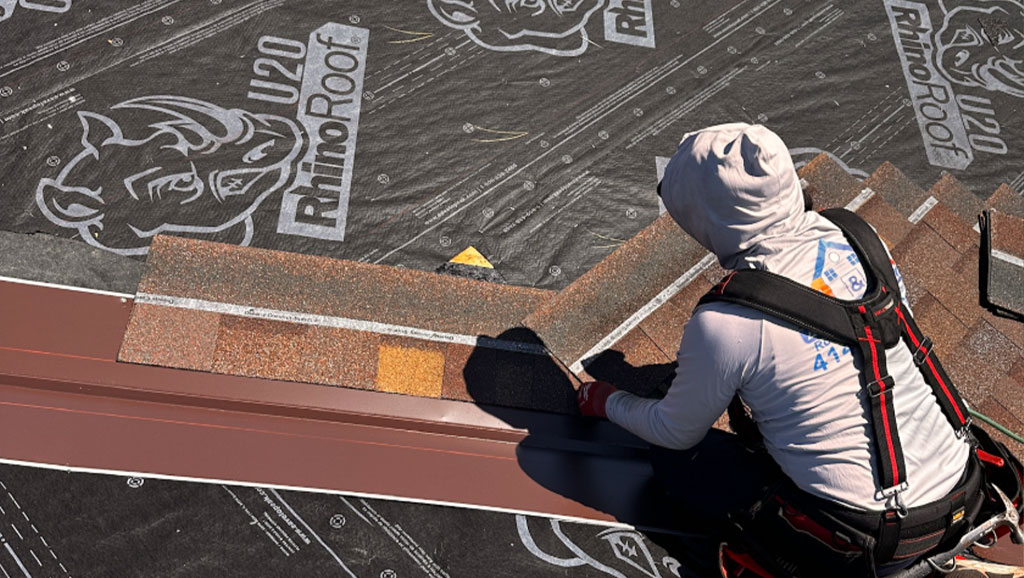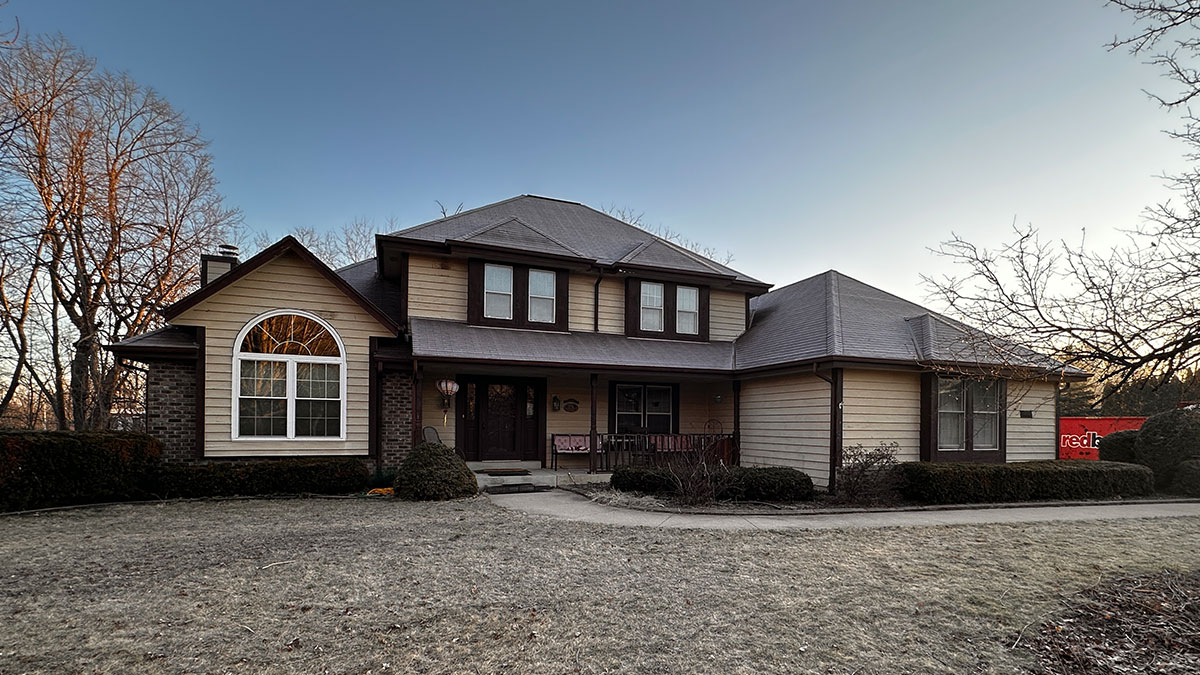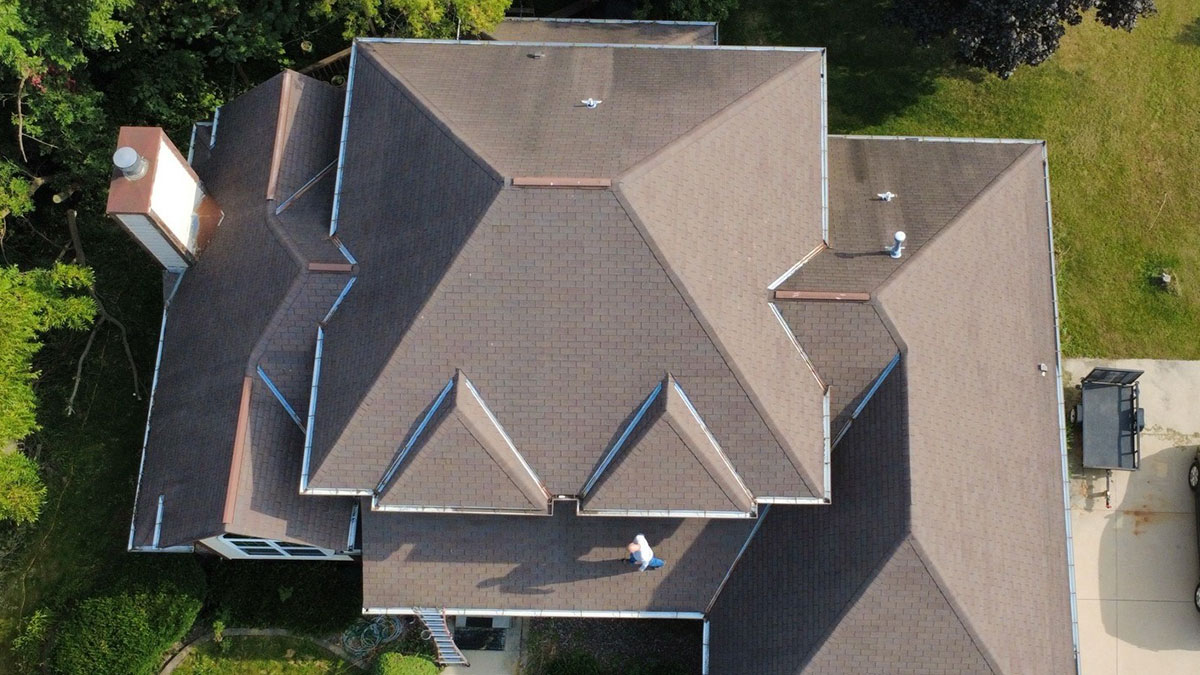
Worried about your roof project? Learn what happens if it rains during installation and how professionals protect your home from water damage. Contact us...
Chimney Safety & Maintenance: What Every Wisconsin Homeowner Should Know
 Owning a fireplace adds warmth, charm, and comfort to a home; fireplaces are not just decorative; they are functional and provide cozy heat during the long winters. However, a fireplace also comes with responsibility. Ensuring proper chimney safety and maintenance is crucial for protecting your family, home, and property.
Neglecting chimney upkeep can pose serious hazards, including fires, carbon monoxide leaks, and structural damage. Regular maintenance not only protects your home but also improves your fireplace’s efficiency, prolonging its lifespan and making it a reliable source of comfort. This guide will help Wisconsin homeowners understand all aspects of chimney safety, proper maintenance, and professional care.
Why Chimney Safety and Maintenance Are Essential
A chimney is exposed to heat, smoke, and moisture daily. Over time, creosote, soot, and ash accumulate, increasing the risk of fire. Structural deterioration in masonry, flue liners, or caps can allow heat or gases to escape into your home, posing a serious hazard.
Regular chimney maintenance ensures that your fireplace operates safely, efficiently, and reliably. With proper care, you can prevent smoke backflow, unpleasant odors, and costly repairs. A well-maintained chimney also improves air quality and enhances the overall heating efficiency of your fireplace.
Understanding the Risks of Neglect
Neglecting roof maintenance or delaying necessary repairs can lead to serious and costly consequences for your home. Minor issues, such as a few missing shingles or minor leaks, can quickly escalate into structural damage, water intrusion, mold growth, and compromised insulation.
Fire Hazards
Creosote is a highly flammable substance produced by burning wood. When it builds up inside the chimney, it poses a significant fire risk. Even small sparks can ignite creosote deposits, leading to a dangerous chimney fire that can spread to your home.
Carbon Monoxide Exposure
Incomplete combustion of fuel in your fireplace can release carbon monoxide, a dangerous, odorless, and colorless gas. Blocked flues, damaged liners, or improper ventilation can allow carbon monoxide to enter your living space, posing severe health risks.
Structural Damage
Chimney masonry is subject to wear and tear from heat, moisture, and seasonal freeze-thaw cycles. Cracks or gaps in the bricks or mortar can allow heat and sparks to escape, increasing fire risk. Damaged or deteriorated flue liners can lead to inefficient smoke venting and potential gas leakage.
Poor Draft and Smoke Problems
A poorly maintained chimney may have blocked flues, improperly adjusted dampers, or buildup that interferes with airflow. This can cause smoke to enter the home rather than exit safely through the chimney.
Key Practices for Chimney Maintenance
Proper maintenance involves a combination of regular inspections, cleaning, and timely repairs. Homeowners should prioritize chimney upkeep to avoid hazards and maintain comfort.
Chimney Inspections
Professional inspections are crucial to identify potential hazards early. There are three levels of inspections:
- Level 1: Basic visual check, suitable for chimneys in regular use without significant changes.
- Level 2: Comprehensive evaluation, recommended when selling a home, after renovations, or if damage is suspected.
- Level 3: Detailed examination for chimneys with known structural problems or extensive damage.
Hiring a CSIA-certified chimney professional ensures thorough inspections and compliance with safety standards.
Sweeping and Cleaning
Regular sweeping removes creosote, soot, and debris that accumulate inside the chimney. In Wisconsin, homeowners should have their chimneys cleaned at least once a year, particularly before the heating season. Frequent use or burning softwood may necessitate additional cleaning.
Cleaning improves airflow, reduces smoke spillage, prevents odors, and minimizes fire risk.
Flue Liners
Flue liners protect the masonry from heat and corrosion. They also ensure that smoke and gases exit safely, preventing them from entering your home. Common liner materials include clay, stainless steel, and cast-in-place liners. Professional installation ensures safety and efficiency.
Chimney Caps
Chimney caps prevent water, debris, and animals from entering your chimney. They protect masonry, reduce moisture damage, and prevent blockages. A well-installed cap improves overall chimney performance.
Fireplace Best Practices
Proper use of your fireplace is as important as maintenance. Homeowners should follow these guidelines:
- Burn only seasoned hardwoods, such as oak, birch, or maple, which create less creosote. Avoid softwoods, treated wood, or construction scraps.
- Use a fireplace screen to prevent sparks and embers from reaching the floor.
- Remove ashes regularly to maintain airflow and improve heating efficiency.
- Never leave a fire unattended, especially in homes with children or pets.
Seasonal Maintenance Tips
Homeowners should perform seasonal checks to ensure safe operation throughout the year:
- Inspect masonry for cracks, gaps, or loose bricks.
- Check chimney caps, dampers, and flue liners.
- Test smoke and carbon monoxide detectors.
- Ensure that venting is clear and unobstructed.
Pre-season inspections before winter can prevent costly emergencies during peak fireplace use.
DIY vs Professional Maintenance
While homeowners can perform minor cleaning and visual checks, specific tasks require professional expertise:
- Level 2 or 3 inspections
- Flue liner repairs or replacement
- Structural masonry repairs
- Chimney cap installation
Professional maintenance ensures your chimney is safe, compliant with local codes, and fully operational.
Advanced Tools and Technology
Modern chimney maintenance integrates technology to improve safety and efficiency:
- Chimney cameras: Allow detailed inspection of hard-to-reach areas.
- Smart smoke and carbon monoxide detectors: Provide instant alerts for potential hazards.
- Heat sensors: Monitor unusual temperature fluctuations in the flue to prevent fires.
Using these tools alongside regular professional maintenance ensures optimal safety for your home.
Common Warning Signs of Chimney Problems
Homeowners should be alert to signs that indicate chimney issues:
- Smoke spilling back into the room
- Strange odors or soot deposits near the fireplace
- Unusual drafts or heat escape from masonry
- Cracks or deterioration in brick and mortar
- Difficulty in lighting or maintaining a fire
Early detection and professional intervention can prevent more serious problems.
Gas vs Wood Fireplace Maintenance
Both wood and gas fireplaces require maintenance, but the focus differs:
- Wood fireplaces: Require frequent cleaning to remove creosote, proper ventilation, and inspection of masonry and flue liners.
- Gas fireplaces: Require inspection of gas lines, burners, and venting, as well as checking for leaks and ensuring proper ignition systems.
Chimney Maintenance Checklist for Wisconsin Homeowners
A consistent maintenance checklist helps homeowners stay organized:
- Annual professional inspection
- Chimney sweeping before winter
- Inspect and repair masonry as needed
- Check flue liners and caps
- Test smoke and carbon monoxide detectors
- Proper fuel selection and fireplace use
- Regular ash removal and screen usage
Conclusion
Chimney safety and maintenance are vital for homeowners in the Fox River area. Neglecting your chimney can lead to fires, carbon monoxide exposure, and costly structural damage. Annual inspections, proper cleaning, timely repairs, and safe usage practices keep your fireplace efficient, secure, and enjoyable.
Partnering with CSIA-certified professionals and integrating modern tools ensures comprehensive protection. By taking chimney safety seriously, you can enjoy the warmth and charm of your fireplace with peace of mind year-round. For expert chimney inspection and maintenance, contact us today and ensure your fireplace stays safe, efficient, and worry-free all year long.
Frequently asked questions
1. How often should I have my chimney inspected?
Chimneys should be inspected at least once a year. Level 2 inspections are recommended when selling, buying, or making structural changes.
2. What is creosote, and why is it dangerous?
Creosote is a flammable substance formed by burning wood. Accumulation inside chimneys can ignite and cause chimney fires.
3. Why do I need a chimney liner?
Flue liners protect masonry from heat and corrosion while ensuring smoke and gases exit safely, reducing fire risk.
4. What are the benefits of a chimney cap?
Chimney caps prevent water, debris, and animals from entering your chimney, reducing blockages and preserving structural integrity.
5. Can I maintain my chimney myself?
Homeowners can perform basic visual inspections and minor cleaning, but professional inspections and repairs are essential for safety and compliance.
Related Posts