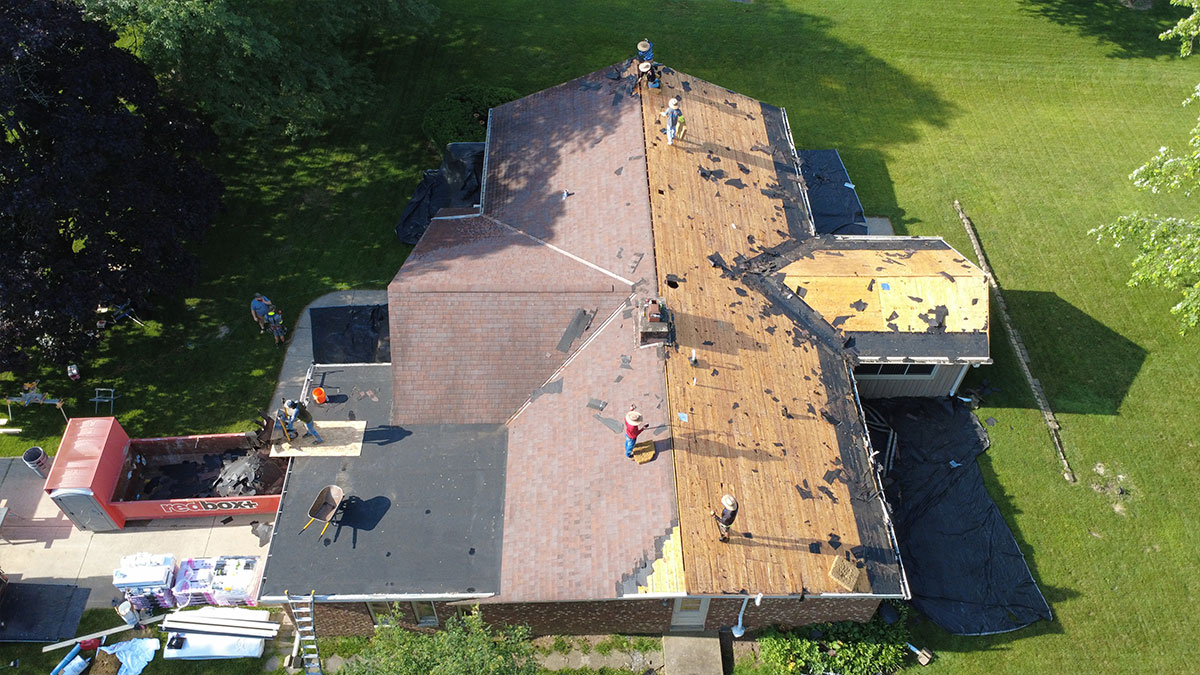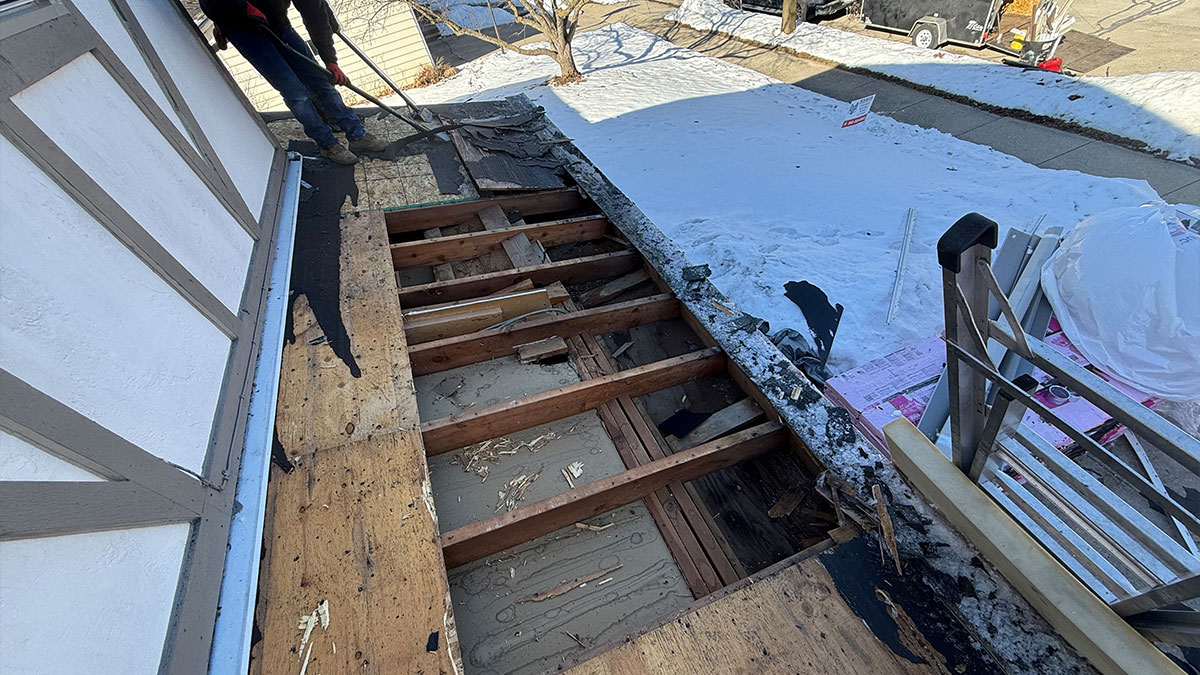
Wondering, 'Does homeowners insurance cover roof replacement?' Learn what damage is covered, common exclusions, and how to file a successful claim. Get a...
What If It Rains During Installation?
 Scheduling a major home improvement project like a roof replacement involves many variables, but none are as unpredictable as the weather. Therefore, it’s natural for homeowners to ask, what if it rains during installation? A sudden downpour in the middle of the job can seem like a disaster, but for a professional roofing crew, it’s a scenario they are fully prepared to handle. Importantly, their expertise ensures your home remains protected, and the project’s integrity is never compromised. This guide explains the protocols and materials that keep your home safe and dry, even when the forecast is wrong.
The Professional Roofer’s Proactive Approach to Weather
Experienced roofers don’t leave things to chance. Consequently, their first line of defense against rain is meticulous planning and constant weather monitoring. Before starting any project, they check detailed forecasts to identify clear work windows. However, since weather can be unpredictable, they always begin a job with a contingency plan. This involves only tearing off sections of the old roof that they are confident they can replace or secure within the same day. This strategy significantly minimizes the area of exposed roof decking at any given time.
Furthermore, if there is any doubt about the weather, the crew will have large, heavy-duty tarps ready. As a result, if rain begins unexpectedly, they can quickly cover any open sections of the roof, creating a temporary but effective water barrier. These tarps are securely fastened to prevent them from blowing away in the wind, ensuring the underlying structure of your home stays completely dry until work can safely resume.
What Happens if an Unexpected Shower Hits?
So, what is the exact procedure when rain appears unexpectedly? A professional team follows a strict protocol. Firstly, all work on shingle installation stops immediately. Attempting to work in the rain is not only unsafe for the crew but also detrimental to the quality of the roof. Shingles installed on a wet surface will not adhere properly, which can void warranties and lead to premature failure. The team’s priority shifts entirely to securing the site.
Protecting the Roof Decking
The most critical task is to protect the exposed roof decking—the wooden foundation of your roof system. Any water that penetrates this layer can lead to serious issues like wood rot, mold growth, and interior water damage. As a result, the crew rapidly covers all exposed areas with synthetic underlayment or emergency tarps. Modern underlayment offers excellent water resistance, providing a reliable secondary barrier that protects the decking for a short period. This step is crucial for preventing future leaks and structural problems.
Securing Materials and Equipment
In addition to protecting the roof itself, the crew also secures all materials and equipment. Bundles of new shingles, tools, and other supplies are covered or moved to a dry location. This prevents damage to the materials and ensures that when work resumes, everything is in perfect condition. This attention to detail is a hallmark of a contractor who respects your property and their craft.
Answering the Core Question: What if it rains during installation?
Ultimately, the answer to what if it rains during installation lies in the professionalism and preparedness of your contractor. A reputable roofer has faced this situation countless times and has a proven system to manage it without causing damage to your home. Their ability to handle unforeseen challenges is a key reason why choosing the right roof replacement contractor is so important. Before you hire a company, you should feel confident asking them about their weather protocols.
To ensure you’re working with a prepared team, consider asking them the following questions:
- What is your specific protocol for unexpected rain during a project?
- What type of underlayment do you use, and what are its water-resistance properties?
- How do you ensure my home’s interior, landscaping, and property are protected from water runoff?
- Can you confirm your insurance covers any potential weather-related water damage?
Post-Rain Procedures and Quality Assurance
After the rain has passed, the work doesn’t simply pick up where it left off. Instead, a professional crew will first ensure the entire roofing surface is completely dry. This is non-negotiable. Installing shingles on a damp surface can trap moisture, which compromises the adhesive’s ability to bond and can lead to mold growth between the shingle and the underlayment. The team will inspect the underlayment and decking to confirm everything is dry and in good condition.
The Critical Role of Modern Materials
Modern roofing materials play a significant role in mitigating rain-related risks. High-quality synthetic underlayment, for example, is far superior to the traditional asphalt felt paper of the past. It doesn’t wrinkle or absorb water when it gets wet, and it provides a much more durable secondary barrier against water intrusion. For more information on industry best practices, homeowners can consult authoritative sources like the National Roofing Contractors Association (NRCA). This is a crucial factor when you are deciding between roof replacement or repair, as a full replacement allows for the installation of these superior modern materials.
A professional roofer understands that a successful project depends on managing all variables. The question of what if it rains during installation is one of the most critical factors they plan for. Their ability to execute a rain-safe plan is a testament to their experience and commitment to quality, ensuring your new roof provides decades of protection.
Key Takeaways for Homeowners
Navigating a roof installation during uncertain weather can be stress-free if you have the right team on your side. The most important thing to remember is that professional contractors are experts in risk management. They proactively monitor weather, use advanced materials like synthetic underlayment, and have a clear, actionable plan for when rain appears.
By asking the right questions and choosing a contractor with a proven track record, you can rest assured that your home is in safe hands. A little rain doesn’t have to derail your project or cause damage. With proper preparation, it’s merely a temporary pause in the process of securing a safe and durable roof for your home. For a worry-free installation, trust the experts who plan for every possibility.
Related Posts