A fireplace can provide warmth and comfort during colder months, but it must remain in…
Chimney Sweeping and Fire Prevention: What Homeowners Need to Know
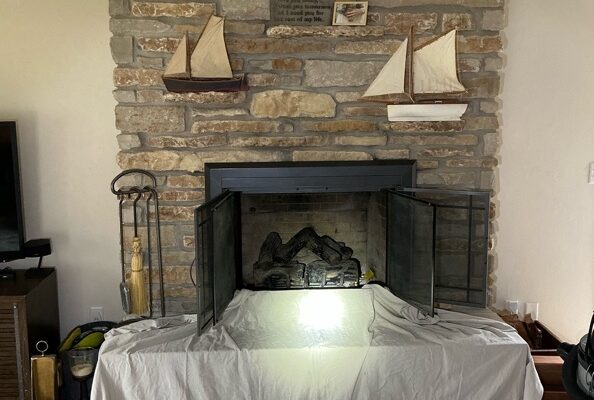 A fireplace can provide warmth and comfort during colder months, but using one safely requires regular maintenance and attention to potential fire hazards. Over time, burning wood and other solid fuels can leave soot, ash and creosote deposits inside a chimney. If these materials accumulate, they can restrict airflow and increase the risk of a chimney fire.
Chimney fire prevention is an important part of responsible fireplace ownership. Although some chimney fires produce obvious signs, such as flames or loud cracking noises, others can burn slowly without being immediately noticed. Regular chimney sweeping and inspections help identify potential hazards before they develop into serious safety problems.
Understanding how chimney fires start, recognising warning signs and following safe fireplace practices can help homeowners protect their properties and households.
What Causes Chimney Fires?
Chimney fires commonly occur when combustible deposits inside the chimney ignite. Creosote is one of the main contributing factors, particularly in chimneys connected to wood-burning fireplaces and stoves.
Creosote forms when smoke, gases and other combustion by-products cool and condense along the internal surfaces of a chimney. Fox River Home Improvements highlights that its accumulation depends on several factors, including the type of fuel, burning conditions, appliance design and chimney performance.
Creosote Buildup
Creosote is a highly combustible substance that can accumulate inside chimney flues. It may appear as a powdery deposit, a flaky coating or a hard, tar-like substance.
As deposits build up, they create additional combustible material within the chimney. If exposed to sufficiently high temperatures or flames, creosote can ignite and cause a chimney fire. Regular sweeping helps remove accumulated deposits and reduces this particular fire hazard.
Restricted Airflow
A chimney needs adequate airflow to carry smoke and combustion gases safely outside the property. Blockages caused by soot, debris, fallen masonry, bird nests or other obstructions can interfere with ventilation.
Poor airflow can also contribute to inefficient combustion and increased deposit formation. Regular chimney inspections help identify obstructions and other conditions that may affect safe operation.
Burning Unsuitable or Wet Wood
The type and condition of fuel used in a fireplace can influence how much residue accumulates inside the chimney. Wet or insufficiently seasoned wood contains more moisture than properly dried fuel. Burning it can produce more smoke and contribute to creosote formation. Homeowners should use suitable, properly dried fuel recommended for their appliance and follow the manufacturer’s instructions.
Lack of Regular Chimney Maintenance
A chimney that is not inspected or cleaned regularly may develop hidden problems. Soot accumulation, damaged flue liners and ventilation issues can remain unnoticed until they affect fireplace performance or create a safety concern. Routine maintenance helps identify these problems and ensures that the chimney remains suitable for continued use.
How Does Chimney Sweeping Help Prevent Fires?
Chimney sweeping is an important part of fireplace maintenance because it removes combustible deposits and helps maintain a clear flue.
Professional sweeping involves cleaning the accessible internal surfaces of the chimney to remove soot, creosote and other accumulated debris. The process also provides an opportunity to identify visible problems that may require further inspection.
Removing Combustible Creosote Deposits
Removing accumulated creosote is one of the main reasons homeowners arrange regular chimney sweeping. Because creosote can ignite under suitable conditions, allowing thick deposits to remain inside the flue creates an avoidable fire hazard. Professional sweeping helps reduce this accumulation and supports safer fireplace operation.
Clearing Soot and Other Obstructions
Soot and debris can gradually restrict the internal passage of a chimney. Bird nests, leaves and other foreign materials may also obstruct the flue.
Cleaning helps remove these materials so that smoke and combustion gases can travel through the chimney as intended. However, serious structural obstructions or damaged components may require additional repair work.
Identifying Potential Chimney Damage
Chimney sweeping can reveal visible signs of deterioration, including damaged components, excessive deposits and certain types of obstruction.
A separate, more detailed inspection may be necessary to assess hidden defects, flue liner damage or structural problems. Identifying concerns early allows homeowners to arrange appropriate maintenance before continuing to use an unsafe fireplace.
Supporting Better Smoke Ventilation
A clean and unobstructed chimney helps smoke and combustion gases move outside the property.
When airflow is restricted, smoke may spill back into the room, affecting indoor air quality and creating additional safety concerns. Regular maintenance helps reduce the risk of ventilation-related problems, although proper chimney design and appliance condition are also essential.
Warning Signs of a Possible Chimney Fire
Not every chimney fire is immediately obvious. Some can produce intense flames and loud noises, while others may cause gradual damage without dramatic external signs. Homeowners should understand the warning signs and avoid assuming that a chimney is safe simply because the fireplace continues to operate.
Possible indicators include loud cracking, popping or roaring sounds coming from the chimney, dense smoke or unusual flames visible from the chimney top, sparks emerging from the chimney and an unusually hot chimney breast or surrounding masonry. A strong burning smell or dark, blistered creosote deposits may also indicate a potential problem.
If a chimney fire is suspected, stop using the fireplace immediately, evacuate the property if necessary and contact emergency services. Do not attempt to investigate or extinguish a chimney fire by climbing onto the roof or entering the chimney.
Even if the flames appear to have stopped, the chimney should not be used again until it has been professionally inspected and confirmed safe.
Essential Fireplace Safety Practices for Homeowners
Regular chimney sweeping is important, but fire prevention also depends on how a fireplace is operated and maintained. Following sensible safety practices can help reduce avoidable hazards.
Use Suitable and Properly Dried Fuel
Only burn fuel approved for the appliance. For wood-burning fireplaces and stoves, use properly seasoned or appropriately dried wood.
Avoid burning painted, treated or contaminated wood, household rubbish and other unsuitable materials. These can produce harmful emissions and unwanted deposits.
Maintain Proper Ventilation
Fireplaces need an adequate air supply to support combustion and allow smoke to escape through the chimney. Avoid blocking air vents or making changes that interfere with the appliance’s ventilation requirements.
If smoke repeatedly enters the room, stop using the appliance and arrange a professional assessment.
Use a Suitable Fireplace Guard
An appropriate fire guard can help prevent sparks and burning embers from escaping into the room. This is particularly important in open fireplaces, where embers may land on carpets, furniture or other combustible materials.
Never Leave an Open Fire Unattended
An open fireplace should not be left burning without supervision. Ensure that children and pets remain at a safe distance. Before leaving the room or going to bed, follow the appliance manufacturer’s instructions for safely managing the fire.
Install Smoke and Carbon Monoxide Alarms
Smoke alarms provide an early warning of a fire, while carbon monoxide alarms help detect the presence of this dangerous, odourless gas.
Install and maintain alarms in appropriate locations according to manufacturer guidance and relevant safety recommendations. Test them regularly and replace batteries or units when required.
Why Are Regular Chimney Inspections Important?
Chimney sweeping and chimney inspections are related but serve different purposes. Sweeping focuses on removing soot, creosote and debris. An inspection evaluates the chimney’s condition and looks for potential defects that may affect its safe operation.
Some problems cannot be identified through cleaning alone. An inspection may reveal cracks in the flue liner, deteriorating masonry, damaged chimney pots, blocked terminals or signs of moisture penetration. It can also help identify problems with ventilation and connections between the fireplace, stove and chimney.
Homeowners should arrange an assessment if they notice unusual smells, smoke leakage, visible damage or changes in fireplace performance. A chimney should also be checked after a suspected chimney fire, even if no obvious damage is visible.
How Often Should a Chimney Be Swept?
The appropriate sweeping frequency depends on the appliance, fuel type, frequency of use and manufacturer’s recommendations. A chimney used regularly may accumulate deposits more quickly than one used occasionally. Different fuels and burning conditions can also influence the rate of soot and creosote formation.
Homeowners should follow relevant fuel-specific guidance and arrange sweeping at appropriate intervals. Recognised chimney safety organisations, including the National Association of Chimney Sweeps and the Guild of Master Chimney Sweeps, provide guidance on chimney maintenance and sweeping frequency. Rather than relying only on how often a fireplace is used, homeowners should consider its condition and the type of fuel being burned.
What Should Homeowners Do Before the Heating Season?
Preparing a fireplace before colder weather arrives can help identify maintenance issues before the appliance is needed regularly.
A pre-season check should begin with arranging chimney sweeping to remove accumulated soot, creosote and debris. Homeowners should also examine the fireplace and appliance for visible cracks, loose components or signs of deterioration.
The chimney exterior should be checked for damaged masonry, loose chimney pots and other visible defects. Smoke and carbon monoxide alarms should be tested to confirm that they are working correctly.
It is also important to ensure that suitable fuel is stored in a dry and safe location and that ventilation openings remain unobstructed. If any damage or unusual condition is identified, arrange a professional assessment before using the fireplace.
Final Thoughts
Chimney fire prevention requires consistent attention to cleaning, inspection and safe fireplace operation. Creosote accumulation, restricted airflow, unsuitable fuel and neglected maintenance can all contribute to chimney-related hazards. Regular chimney sweeping helps remove combustible deposits, clear obstructions and support effective ventilation. Inspections are equally important because they can identify structural damage and other problems that may not be visible during routine cleaning.
For homeowners, the most effective approach is to maintain a regular chimney care routine, use suitable fuel, monitor fireplace performance and respond promptly to warning signs. Taking these precautions can help reduce fire risks and support safer use of fireplaces throughout the heating season. For professional chimney maintenance and fireplace safety guidance, contact us today to discuss your chimney care needs.
Frequently Asked Questions
1. Does chimney sweeping help prevent chimney fires?
Yes. Chimney sweeping removes accumulated soot, creosote and debris that can contribute to chimney fires. Regular cleaning, combined with appropriate inspections and safe fireplace practices, helps reduce fire risks.
2. What is creosote, and why is it dangerous?
Creosote is a combustible deposit formed when smoke and other combustion by-products condense inside a chimney. If it accumulates, it can ignite and cause a chimney fire.
3. Can a chimney catch fire even if it looks clean?
Yes. Some chimney defects and internal deposits may not be visible from the fireplace opening. A proper inspection and cleaning are important for assessing chimney safety.
4. What should I do if I suspect a chimney fire?
Stop using the fireplace, evacuate the property if necessary and contact emergency services. Do not attempt to inspect the chimney yourself. Arrange a professional inspection before using the appliance again.
5. Does burning wet wood increase chimney fire risks?
Burning wet or insufficiently seasoned wood can produce more smoke and contribute to creosote accumulation. Using properly dried fuel suitable for the appliance helps reduce this problem.
Related Posts