A roof does not usually go from being completely healthy to needing a full replacement…
Choosing the Best Roofing Material for Wisconsin Homes
 Choosing the right roofing material is an important decision for homeowners in Wisconsin. Roofs in this region must withstand a wide range of weather conditions, including heavy snowfall, freezing temperatures, strong winds, rain and summer heat. These seasonal changes can place considerable stress on roofing systems, making material selection an important part of protecting a property.
A roofing material that performs well in a mild climate may not provide the same durability in areas that experience repeated freeze-thaw cycles and winter storms. Homeowners therefore need to consider more than appearance when planning a roof replacement. Factors such as weather resistance, insulation, maintenance requirements, ventilation and expected lifespan all influence how well a roofing system performs.
Understanding the available options can help homeowners identify the best roofing material for Wisconsin homes and select a solution that suits their property’s structure and local climate conditions.
Understanding Wisconsin’s Climate and Its Impact on Roofing
Wisconsin experiences significant seasonal temperature changes. Winters can bring heavy snowfall, freezing rain and prolonged periods of cold weather, while summers can involve high temperatures, humidity and severe thunderstorms. These conditions create several challenges for residential roofing systems.
Heavy Snowfall and Roof Loads
Snow accumulation can place additional weight on a roof, particularly when snow remains for extended periods. Roofing systems must be properly designed and installed to accommodate the structural requirements of the building and local snow loads.
The roof’s slope, structural support and material selection all influence how it performs during winter conditions. Homeowners should ensure that replacement materials are suitable for the property’s existing roof structure.
Freeze-Thaw Cycles and Ice Dams
Repeated freezing and thawing can affect roofing materials, flashing and other roof components. Moisture may enter small gaps, freeze and expand, potentially contributing to deterioration over time.
Ice dams are another common winter concern. They can form when heat escaping from the attic melts snow on the roof. The resulting water flows towards colder eaves, where it refreezes and creates an ice barrier.
As water accumulates behind an ice dam, it may move beneath roofing materials and cause leaks or interior damage. Proper attic insulation, ventilation and the installation of suitable ice-and-water protection can help reduce these risks.
Strong Winds and Severe Storms
Wisconsin homeowners may also experience thunderstorms, strong winds and occasional hail. These conditions can loosen shingles, damage flashing and affect exposed roofing components.
A suitable roofing system should have appropriate wind-resistance ratings and be installed according to manufacturer specifications. Proper fastening and secure roof edges are particularly important in areas exposed to severe weather.
Summer Heat and Moisture
Although winter conditions receive considerable attention, summer weather also affects roof performance. Prolonged exposure to sunlight, heat and humidity can contribute to material ageing.
Good attic ventilation helps regulate temperatures beneath the roof and reduces moisture accumulation. Choosing materials designed for the local environment can also support long-term performance.
What Are the Best Roofing Materials for Wisconsin Homes?
Several roofing materials are suitable for Wisconsin properties, but each offers different benefits and limitations. The right option depends on the home’s architectural style, roof structure, weather exposure and maintenance requirements.
1. Asphalt Shingles
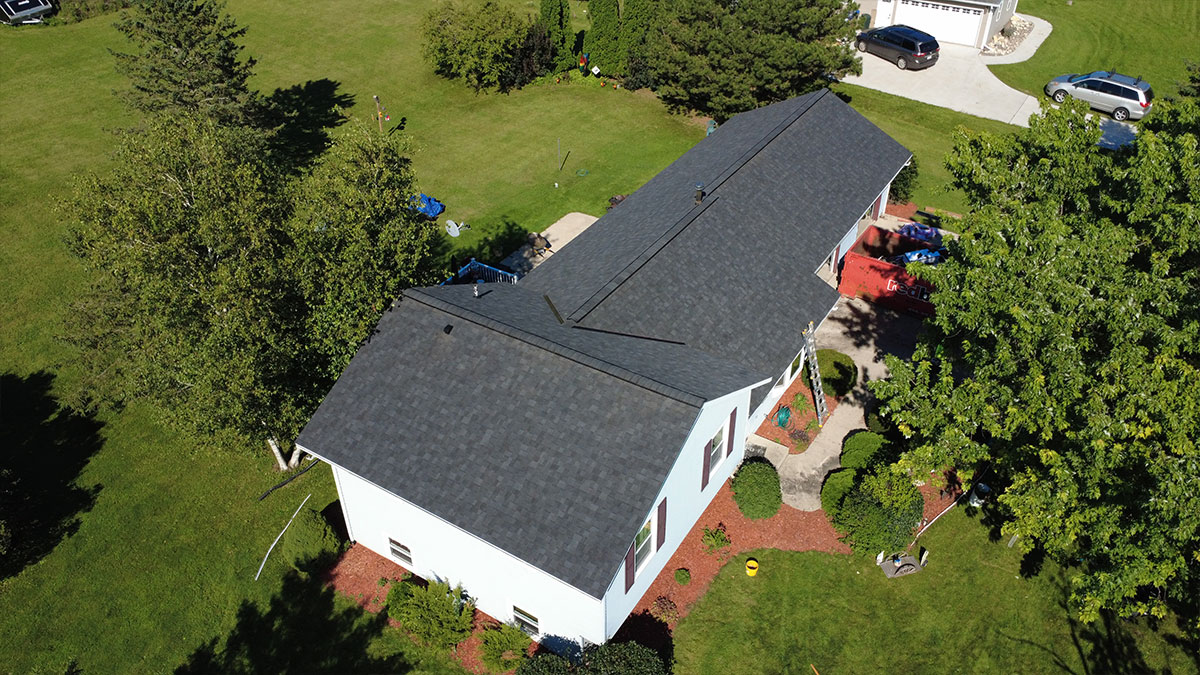
Asphalt shingles are among the most common roofing materials used on residential properties in Wisconsin. They are available in different colours, textures and styles, making them suitable for a wide range of architectural designs. Architectural asphalt shingles are particularly popular because they offer a layered appearance and are available with different durability and wind-resistance specifications.
One of their main advantages is their versatility. Homeowners can select shingles that complement the exterior design of their property while meeting the requirements of their local climate. However, not all asphalt shingles perform equally. Product quality, installation methods, ventilation and underlayment selection can influence how well the roofing system handles snow, ice and strong winds.
Homeowners should look for products with suitable wind-resistance ratings and manufacturer warranties. Proper installation of flashing and ice-and-water protection is also important for preventing moisture-related problems.
2. Metal Roofing
Metal roofing is another option worth considering for Wisconsin homes, particularly properties that experience significant snowfall and changing weather conditions. Standing seam metal roofs feature raised seams that help protect the connections between individual panels. Their smooth surfaces can also allow snow to slide off more easily than some other roofing materials, depending on roof pitch and installation conditions.
Metal roofing is known for its durability, resistance to many forms of weather exposure and relatively low routine maintenance requirements. However, snow sliding from a metal roof can create safety concerns around entrances, walkways and areas beneath the roofline. Snow guards may be needed to manage snow movement safely.
Installation quality is particularly important. Metal panels require appropriate fastening, flashing and expansion allowances to accommodate temperature changes. Homeowners should also consider attic ventilation and roof insulation to help manage condensation and indoor temperature conditions.
3. Architectural Shingles
Architectural shingles are a type of asphalt roofing material designed with multiple layers that create a more dimensional appearance than traditional three-tab shingles. They are widely used on residential properties because they offer a combination of visual appeal, weather resistance and design flexibility.
Many architectural shingle products are available with enhanced wind-resistance ratings and protective features. These characteristics can make them suitable for homes exposed to Wisconsin’s changing weather. Their performance still depends on correct installation, suitable ventilation and appropriate underlayment. Homeowners should compare individual product specifications rather than assuming all architectural shingles offer the same level of protection.
4. Slate Roofing
Slate is a natural stone roofing material known for its durability and distinctive appearance. It is commonly associated with traditional and high-end residential architecture. When properly installed and maintained, natural slate can provide a long service life and strong resistance to many weather conditions.
However, slate is considerably heavier than many conventional roofing materials. The existing roof structure must be assessed to determine whether it can support the additional weight. Installation also requires specialised experience because individual slate tiles must be handled and secured correctly. For homeowners considering slate, a structural assessment and consultation with an experienced roofing contractor are important before proceeding.
5. Synthetic Roofing Materials
Synthetic roofing products are manufactured to replicate the appearance of materials such as natural slate and wood shakes. Fox River Home Improvements offers insight into the different styles, textures and colours available, giving homeowners additional design flexibility without using traditional natural materials.
Some synthetic roofing products are engineered to provide resistance to impact, moisture and temperature changes. Their suitability for Wisconsin depends on the specific product’s tested performance and manufacturer specifications. Homeowners should review the product’s installation requirements, warranty coverage, fire classification and performance ratings before selecting a synthetic roofing system.
How to Choose the Right Roofing Material for Your Home
Selecting a roofing material involves evaluating how the product will perform under local weather conditions and whether it suits the property’s structure.
Consider Snow and Ice Performance
Snow and ice are important considerations for Wisconsin homeowners. Roofing materials should be suitable for local snow loads and installed with appropriate underlayment and moisture protection. Roof slope also influences snow accumulation and movement. A roofing professional can assess the property’s design and recommend suitable materials and installation details.
Evaluate Wind and Impact Resistance
Strong winds and hail can damage roofing materials, particularly during severe storms. Homeowners should review product specifications for wind resistance and impact classifications. The roof’s fastening system, edge details and installation quality also contribute to its ability to withstand severe weather.
Review Maintenance Requirements
Different roofing materials require different levels of maintenance. Asphalt shingles may need periodic inspections for curling, cracking or missing sections. Metal roofing should be checked for damaged panels, loose fasteners and flashing issues. Slate and synthetic systems also require inspections to identify displaced or damaged components. Choosing a roofing system that matches the homeowner’s maintenance expectations can help support long-term performance.
Match the Material to Your Home’s Structure
The weight of a roofing material is an important consideration during roof replacement. Some properties may require additional structural support before heavier materials can be installed. A professional assessment helps determine whether the existing roof structure is suitable for the selected system.
Check Manufacturer Warranties
Roofing warranties can differ according to product type, installation requirements and coverage conditions. Homeowners should understand what the warranty covers, including manufacturing defects, weather-related performance and installation-related issues where applicable. It is also important to follow manufacturer maintenance and installation guidelines to preserve warranty eligibility.
Why Proper Roof Installation Matters in Wisconsin
Even high-quality roofing materials may fail prematurely if they are not installed correctly. Wisconsin’s changing weather conditions make installation quality particularly important. A complete roofing system includes more than the visible shingles or panels. Underlayment, flashing, ventilation, insulation and drainage all contribute to the roof’s overall performance.
Underlayment and Ice-and-Water Protection
Underlayment provides an additional protective layer beneath the exterior roofing material. Ice-and-water protection is especially important around vulnerable areas such as eaves, valleys and roof penetrations. The appropriate installation requirements depend on local building codes, roof design and manufacturer specifications.
Proper Attic Ventilation
Attic ventilation helps manage heat and moisture beneath the roof. Inadequate ventilation can contribute to condensation, moisture accumulation and uneven roof temperatures. During winter, these conditions may increase the likelihood of ice dam formation. A properly designed ventilation system helps maintain more consistent attic conditions and supports the performance of the roofing materials.
Flashing and Drainage
Flashing protects vulnerable roof areas around chimneys, skylights, valleys and other penetrations. Incorrectly installed or deteriorating flashing can allow water to enter the roof structure. Gutters and downspouts should also be maintained so that water can drain away from the property effectively. Professional installation helps ensure that these components work together as part of a complete roofing system.
Final Thoughts
Selecting the best roofing material for Wisconsin homes requires careful consideration of local weather conditions, property design and long-term maintenance requirements. Asphalt shingles remain a popular residential option because of their versatility and range of available styles. Metal roofing offers durability and useful snow-management characteristics, while slate and synthetic materials provide additional choices for homeowners with specific architectural and performance requirements.
However, no single roofing material is suitable for every property. The most appropriate choice depends on the roof’s structure, local weather exposure, installation requirements and the homeowner’s priorities. By comparing material specifications, evaluating the complete roofing system and working with an experienced roofing professional, homeowners can make informed decisions that support long-term roof performance and property protection. For more information about roofing materials and suitable options for your property, contact us today.
Frequently Asked Questions
1. What is the best roofing material for Wisconsin homes?
Asphalt shingles and metal roofing are common choices for Wisconsin homes. The best option depends on the property’s structure, roof design, snow exposure, wind conditions and maintenance requirements.
2. Are asphalt shingles suitable for Wisconsin winters?
Yes. High-quality asphalt shingles designed for residential applications can perform well in Wisconsin when properly installed. Suitable underlayment, ice-and-water protection and attic ventilation are also important.
3. Is metal roofing a good choice for heavy snowfall?
Metal roofing can be suitable for snowy environments because its smooth surface may allow snow to slide off more easily. However, snow guards and appropriate structural design may be necessary to manage snow movement safely.
4. How does Wisconsin’s climate affect roof lifespan?
Heavy snowfall, freezing temperatures, freeze-thaw cycles, strong winds and summer heat can contribute to roofing material deterioration. Product quality, installation, ventilation and regular maintenance also influence how long a roof performs effectively.
5. What causes ice dams on Wisconsin roofs?
Ice dams commonly develop when heat escaping from the attic melts snow on the roof. Water flows towards colder roof edges, where it refreezes and creates an obstruction. Proper insulation, ventilation and ice-and-water protection can help reduce the risk.
Related Posts