Confused about chimney crowns vs chimney caps? Learn the key differences in function, material, and cost to protect your home from water damage. Contact us!
How Do I Know How Many Flues My Chimney Has?
 If you’re asking, “HOW DO I KNOW HOW MANY FLUES MY CHIMNEY HAS?“, you are already thinking about chimney safety and efficiency, which is a critical step for any homeowner. A chimney flue is the dedicated channel within your chimney structure that directs smoke, gas, and combustion byproducts from your fireplace, stove, or furnace safely out of your home. Consequently, understanding the number of flues you have is not just a matter of curiosity; it’s essential for ensuring each of your appliances is vented correctly and safely. This guide will walk you through the methods to determine this, from simple visual checks to the definitive answer a professional inspection can provide.
What Is a Chimney Flue and Why Does the Number Matter?
Many people use the terms “chimney” and “flue” interchangeably, but they are distinct components. The chimney is the entire masonry structure you see on the outside of your house, while the flue is the passageway inside it. A single chimney structure can contain multiple flues, each serving a different appliance. For example, one flue might serve a downstairs fireplace, another for an upstairs fireplace, and a third for a gas furnace.
Importantly, building codes and safety standards, like those from the National Fire Protection Association (NFPA), mandate that each appliance should have its own dedicated flue. Sharing a flue among multiple appliances, especially those using different fuel types, is extremely dangerous. Furthermore, it can lead to drafting problems, inefficient performance, and a significantly increased risk of carbon monoxide backflow into your home. Therefore, verifying your flue count is a fundamental aspect of home safety.
Simple DIY Methods to Count Your Flues
Before calling a professional, you can perform a few preliminary checks to get an idea of your chimney’s configuration. These methods aren’t foolproof, but they provide a good starting point. Remember to prioritize safety when performing any inspection.
Method 1: The Rooftop View (Counting Flue Liners or Pots)
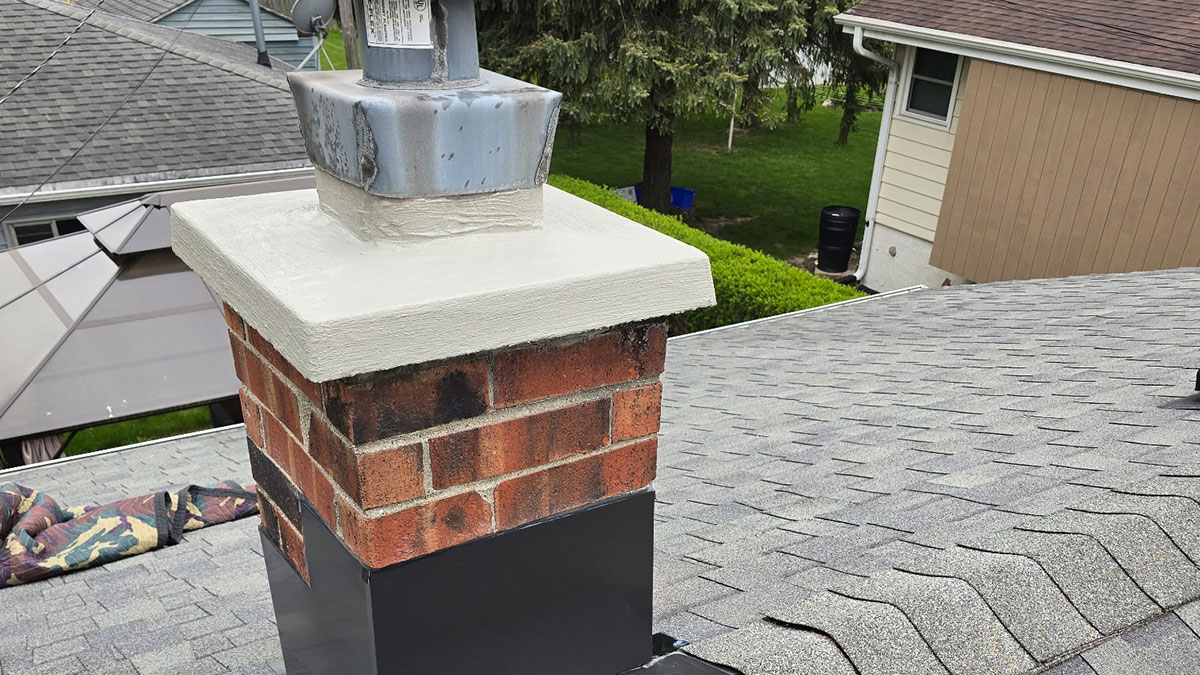
One of the most straightforward ways to estimate your flue count is by looking at the very top of your chimney from the outside. Using a pair of binoculars from the ground or a safe vantage point, look for the number of distinct openings or pots. These clay or metal extensions are typically placed on top of each flue liner.
- Count the Openings: Look for the square or circular clay tile liners that project from the top of the chimney crown. Each distinct opening usually corresponds to one flue.
- Count the Chimney Pots: If your chimney has decorative pots, count them. In most cases, each pot sits on top of a single flue.
- Important Caveat: While this is a good indicator, it’s not always accurate. Sometimes, a single large opening might be for a single flue, or a cap might obscure the true number of flue liners beneath it.
Method 2: The View from Below (Looking Up from the Fireplace)
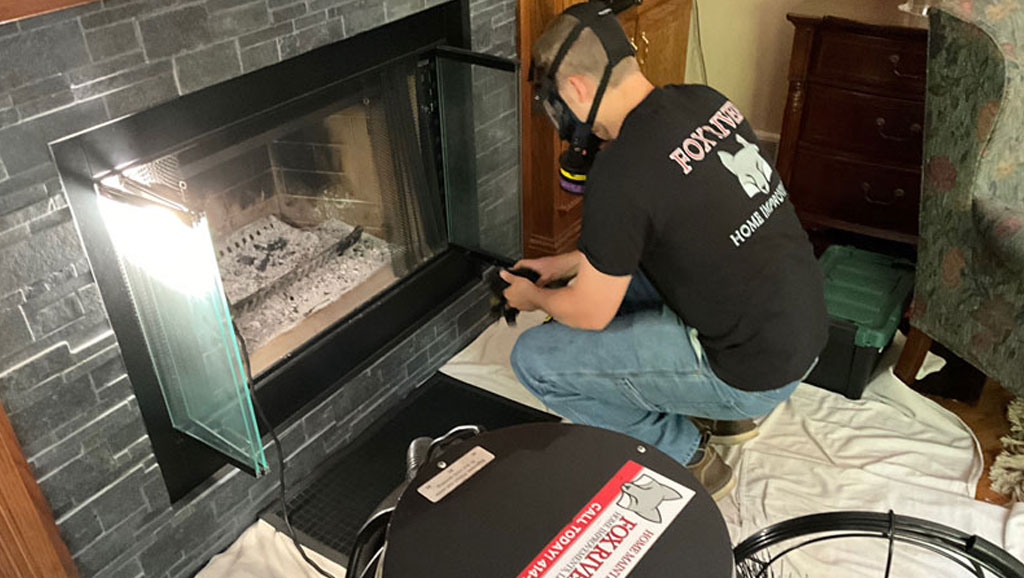
Another method involves inspecting the chimney from inside your home. With the fire out and the chimney cool, you can look up from your fireplace. Make sure to wear safety glasses and use a powerful flashlight.
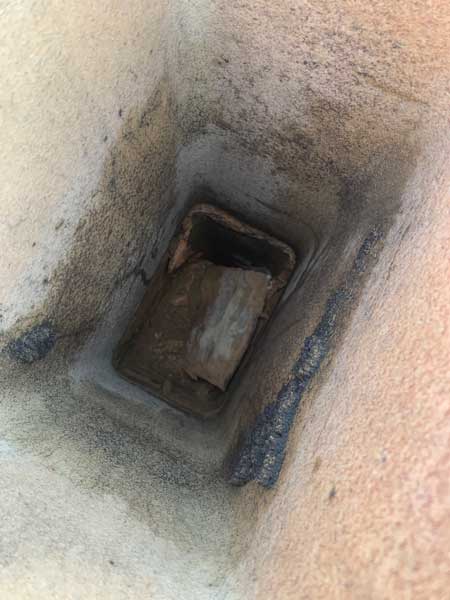
As you look up past the damper, you will see the smoke chamber, which is the transitional area that funnels smoke from the large firebox into the narrower flue. In some cases, you might be able to see the flue liner begin. However, this view is often limited and won’t show you if other flues for other appliances exist within the same chimney structure. This method is more about understanding the flue connected to that specific fireplace rather than the total count for the entire chimney.
Why a Professional Inspection Answers “HOW DO I KNOW HOW MANY FLUES MY CHIMNEY HAS?”
While DIY checks are helpful, the only way to be 100% certain is with a professional chimney inspection. If you are still wondering, “HOW DO I KNOW HOW MANY FLUES MY CHIMNEY HAS?“, it is time to call in an expert. A certified chimney technician has the tools and expertise to provide a definitive answer and assess the condition of each flue.
Specifically, a Level 2 Chimney Inspection is designed for this exact purpose. This type of inspection is required when buying or selling a home or when making changes to your system, like installing a new stove. During this process, a technician uses a specialized video camera that is lowered into each flue. This allows them to not only count the flues accurately but also to inspect the entire length of each liner for cracks, blockages, or creosote buildup. For more details on what these inspections entail, you can learn about the three levels of chimney inspections and which is right for your situation.
Moreover, a professional can determine if your flues are properly sized for the appliances they serve and if a new chimney liner installation is necessary for safety and efficiency. This is a critical safety check that a simple visual inspection cannot accomplish.
Common Misconceptions About Chimney Flues
There are several dangerous myths surrounding chimney flues that can put homeowners at risk. Let’s debunk a few of them.
Myth 1: One Chimney Stack = One Flue. As we’ve discussed, this is often false. A single, large masonry chimney can easily house two, three, or even more flues to serve various appliances on different floors.
Myth 2: It’s Okay to Vent a Furnace and a Wood Stove into the Same Flue. This is extremely hazardous. The combustion byproducts are very different, and combining them can lead to corrosion, blockages, and dangerous back-drafting of carbon monoxide. The Chimney Safety Institute of America (CSIA) strongly warns against this practice.
Myth 3: My Chimney is New, So It Must Be Correct. Unfortunately, construction errors happen. Never assume a chimney is built to code without a proper inspection. Verifying the flue configuration is a key part of ensuring your home’s safety, regardless of its age. Combining services can be a smart move; for instance, when getting a new roof, it’s wise to also have a professional check the chimney, which is why understanding how combining roofing and chimney services can be beneficial.
Final Thoughts on Your Chimney’s Flues
Ultimately, knowing your chimney’s flue count is a cornerstone of responsible homeownership and fire safety. While looking at the chimney top or peering up from the firebox can give you clues, the definitive answer to “HOW DO I KNOW HOW MANY FLUES MY CHIMNEY HAS?” comes from a professional Level 2 video inspection. This not only confirms the number but also assesses the integrity of each flue, ensuring your home and family are protected.
Don’t leave your family’s safety to guesswork. An improperly vented appliance is a silent hazard that can have devastating consequences. By taking the step to verify your flue system, you are investing in peace of mind and the long-term health of your home’s most important safety feature. If you have any doubts about your chimney system, it’s always best to consult a certified professional. Contact us today for a comprehensive chimney inspection!
Related Posts