Wondering 'how do I know how many flues my chimney has?' This guide covers simple ways to check, from counting pots to professional inspections. Contact us!
Chimney Crowns Vs Chimney Caps
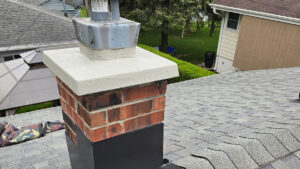 Many homeowners use the terms interchangeably, but understanding the difference in the Chimney Crowns vs Chimney Caps debate is crucial for protecting your home from significant water damage and costly repairs. Although both are located at the top of your chimney, they serve distinct and equally vital functions. This guide will break down what each component does, why you need both, and how to spot signs of trouble.
What Exactly is a Chimney Crown?
A chimney crown is the concrete or mortar slab that sits on the very top of your chimney’s masonry structure. Think of it as the roof of your chimney. Its primary job is to direct water away from the chimney’s opening and prevent it from seeping into the bricks and mortar below. Furthermore, a well-constructed crown has a slight downward slope to effectively shed rain and snow, protecting the vulnerable top surface of the chimney from the elements.
Common Issues with Chimney Crowns
Unfortunately, chimney crowns are highly susceptible to damage. Because they are exposed to harsh weather year-round, temperature fluctuations can cause the material to crack and deteriorate. Consequently, even small cracks can allow water to penetrate the chimney structure, leading to a cycle of freezing and thawing that expands the cracks and causes widespread masonry damage. This is why addressing crown issues promptly is essential for the longevity of your entire chimney system.
And What is a Chimney Cap?
In contrast, a chimney cap is the cover that sits directly over the flue opening on top of the crown. It’s typically made of metal, such as stainless steel, copper, or galvanized steel. You can think of it as a small umbrella or hat specifically for the chimney flue.
Its main purpose is to prevent water, debris like leaves and twigs, and animals from entering the flue. A chimney cap is your first line of defense against flue blockages, which can be a serious fire hazard. Additionally, many caps are equipped with a spark arrestor, a mesh screen that stops hot embers from landing on your roof or nearby combustible materials.
Key Distinctions: Understanding Chimney Crowns vs Chimney Caps
While they work together, their roles are fundamentally different. Grasping these differences is key to proper chimney care. Therefore, let’s break down the primary distinctions between chimney crowns vs chimney caps.
- Location: The crown is the top surface of the chimney’s brick or stone structure. The cap is a smaller component installed on top of the crown, covering only the flue pipe opening.
- Function: The crown protects the entire masonry chimney structure from water damage. The cap protects the inside of the flue from water, debris, and animals.
- Material: Crowns are built from masonry materials like concrete or mortar. Caps are almost always fabricated from metal.
- Failure Impact: A failing crown leads to cracked bricks and mortar decay. A missing or damaged cap can result in a rusted damper, deteriorated flue liner, and dangerous blockages.
Do I Really Need Both a Crown and a Cap?
The answer is an unequivocal yes. For any masonry chimney, having both a functional crown and a secure cap is non-negotiable for complete protection. They form a two-part system that safeguards your home. For example, a chimney without a cap is an open invitation for rain to pour directly down your flue, leading to rust and water damage inside your home. Similarly, a chimney with a cracked crown will absorb water like a sponge, causing the structure to crumble from the inside out over time.
Neglecting one component puts the other, and the entire system, at risk. Importantly, a professional chimney inspection can assess the condition of both your crown and cap, ensuring they are providing adequate protection. You can learn more about the importance of regular chimney safety and maintenance to prevent these issues.
The cost of preventative repairs, such as sealing a crown or replacing a cap, is minimal compared to the expense of a major rebuild. Understanding the potential masonry chimney repair costs associated with neglect often convinces homeowners to act sooner. The entire system, including the chimney flashing where the chimney meets the roof, must work in harmony.
Finally, it’s important to remember that water is a chimney’s worst enemy, as detailed by experts at the Chimney Safety Institute of America (CSIA). The crown and cap are your primary defenses in this ongoing battle. Proper maintenance also ensures your fireplace or stove operates efficiently, which is a key goal of programs like the EPA’s Burn Wise initiative.
Key Takeaways for Homeowners
To ensure your chimney remains safe and functional for years to come, remember these key points. The chimney crown is the concrete top of the masonry, while the cap is the metal cover for the flue opening. Both are essential, as they perform different but complementary protective functions.
Regularly inspecting both components is the best way to catch minor issues before they become major structural problems. If you’re unsure about the condition of your chimney, seeking a professional opinion is a wise investment. Ultimately, a clear understanding of chimney crowns vs chimney caps empowers you to make informed decisions about maintaining your home’s safety and value.
Related Posts