Wondering, 'Does homeowners insurance cover roof replacement?' Learn what damage is covered, common exclusions, and how to file a successful claim. Get a...
Will Dark Shingles Make My House Hotter?
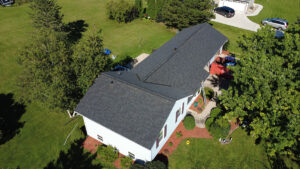 It’s a common question for homeowners considering a new roof: Will dark shingles make my house hotter? The short answer is that while dark shingles do absorb more heat on the surface, the impact on your home’s interior temperature is often overstated. In reality, factors like attic ventilation and insulation play a much more significant role in your home’s overall energy efficiency and comfort. Therefore, understanding the complete roofing system is essential before making a color choice.
The Science of Color and Heat Absorption
The core of this issue lies in basic physics. Dark-colored surfaces absorb more wavelengths of light, converting that light energy into heat. In contrast, light-colored surfaces reflect more light, thus absorbing less heat. This principle is known as the albedo effect. For example, a black asphalt shingle can reach temperatures significantly higher than a white or light gray shingle under the same direct sunlight. Consequently, the surface of a dark roof will undeniably be hotter than a light-colored one.
However, this surface temperature is not the same as the temperature in your living room. The heat absorbed by the shingles must travel through several layers before it can affect your home’s conditioned space. Importantly, a modern roofing system is designed specifically to manage this heat transfer. Understanding this system is key to putting the color question into its proper context. For more in-depth information on building materials and heat, authoritative sources like Building Science Corporation provide extensive research.
How Much Heat Actually Reaches Your Living Space?
A roof is not just a single layer of shingles. It is a complex system where each component works to protect your home from the elements and manage temperature. The heat from your shingles must pass through the roof deck, the attic space, and your ceiling’s insulation before you feel it. Specifically, two elements are critical in mitigating heat transfer: attic ventilation and insulation.
The Critical Role of Attic Ventilation
Proper attic ventilation is arguably the most important factor in keeping your home cool. A well-ventilated attic creates a constant flow of air that removes the super-heated air trapped underneath your roof deck. This process works through a combination of intake vents (usually in the soffits) and exhaust vents (like ridge vents or gable vents). As a result, even if your dark shingles are hot, the moving air prevents that heat from building up and radiating down into your home. Without adequate ventilation, an attic can become an oven, putting a massive strain on your air conditioning system regardless of shingle color.
Why Insulation is Your Best Defense
Following ventilation, insulation is your next line of defense. The insulation on your attic floor acts as a thermal barrier, resisting the flow of heat. Its effectiveness is measured in R-value; the higher the R-value, the better it prevents heat transfer. Therefore, if your attic is well-insulated, the residual heat that isn’t removed by ventilation will be largely blocked from entering your living areas. This barrier works year-round, also preventing heat from escaping during the winter.
What Are the Real Factors to Consider When Choosing Shingle Color?
Given that ventilation and insulation are the primary drivers of thermal performance, what factors should guide your shingle color choice? The decision often comes down to a few key considerations:
- Aesthetics and Curb Appeal: The color of your roof has a dramatic impact on your home’s exterior appearance. Dark shingles can create a bold, classic look, while lighter shades might offer a more modern or coastal feel. You should choose a color that complements your siding, trim, and overall architectural style.
- Cool Roof Technology: Many modern shingles, even darker ones, now come with special granules that reflect more solar energy. These are known as “cool shingles.” They can lower roof surface temperatures without forcing you to choose a white or light-colored roof. For more details, the U.S. Department of Energy has excellent resources on cool roofs.
- Location and Climate: In intensely hot and sunny climates like the desert Southwest, a lighter-colored or certified cool roof can make a more noticeable difference in energy bills. In more temperate or northern climates with cold winters, the minimal heat gain from darker shingles might even be slightly beneficial in melting snow.
- Homeowners’ Association (HOA) Rules: Before you make a final decision, always check if your HOA has specific restrictions on shingle colors.
Answering the Question: Will Dark Shingles Make My House Hotter?
So, let’s circle back to the central question: Will dark shingles make my house hotter? Yes, they will make the shingles themselves and the immediate roof deck hotter. However, for a home with proper attic ventilation and sufficient insulation, the difference in your interior living space temperature will be minimal to negligible. The performance of your complete roofing system is far more important than the color of its top layer. If your home feels hot in the summer, the root cause is more likely poor ventilation or inadequate insulation, not your dark shingles. Focusing on these areas will yield much greater improvements in comfort and energy savings than simply changing shingle color. Ultimately, the question of if will dark shingles make my house hotter is less important than whether your roof system is functioning correctly.
Final Thoughts and Next Steps
Choosing the right shingles involves balancing aesthetics, budget, and performance. While shingle color plays a role in surface heat absorption, it is not the primary factor determining your home’s interior temperature. Instead, homeowners should prioritize a holistic approach by ensuring their attic has robust ventilation and high-quality insulation. When these systems are in place, you can confidently choose a shingle color that enhances your home’s curb appeal without worrying excessively about heat gain.
Furthermore, if you are concerned about your home’s energy efficiency, a professional roof inspection can identify deficiencies in your current system. An expert can assess your ventilation and insulation and help you understand the overall roof replacement cost versus potential energy savings. When you are ready, you can explore different shingle options, including cool roof technology, to find the perfect fit. If you are unsure about your roof’s condition, understanding whether you are deciding between roof replacement or repair is the first step. Contact a trusted professional to ensure your entire roofing system is optimized for comfort and efficiency.
Related Posts