Your roof protects your home from rain, wind, snow, heat, and other outdoor conditions. Like…
Fall Chimney and Roof Maintenance Checklist for Homeowners
 Fall is an important time for homeowners to prepare their properties for colder weather. As temperatures begin to drop, roofs, chimneys, gutters and drainage systems need attention before winter conditions arrive. Leaves, branches, moisture and debris can accumulate during autumn, potentially creating problems that become more difficult to address once temperatures fall.
A seasonal maintenance routine can help identify minor issues before they develop into more extensive damage. It also gives homeowners an opportunity to check whether their chimney and fireplace are ready for regular use during the colder months.
Proper chimney and roof maintenance involves more than removing visible debris. It includes checking roofing materials, inspecting flashing, cleaning gutters, arranging chimney cleaning and identifying signs of moisture or structural deterioration.
This fall maintenance checklist explains the areas homeowners should review to help protect their properties and prepare for the winter season.
1. Arrange a Seasonal Roof Inspection
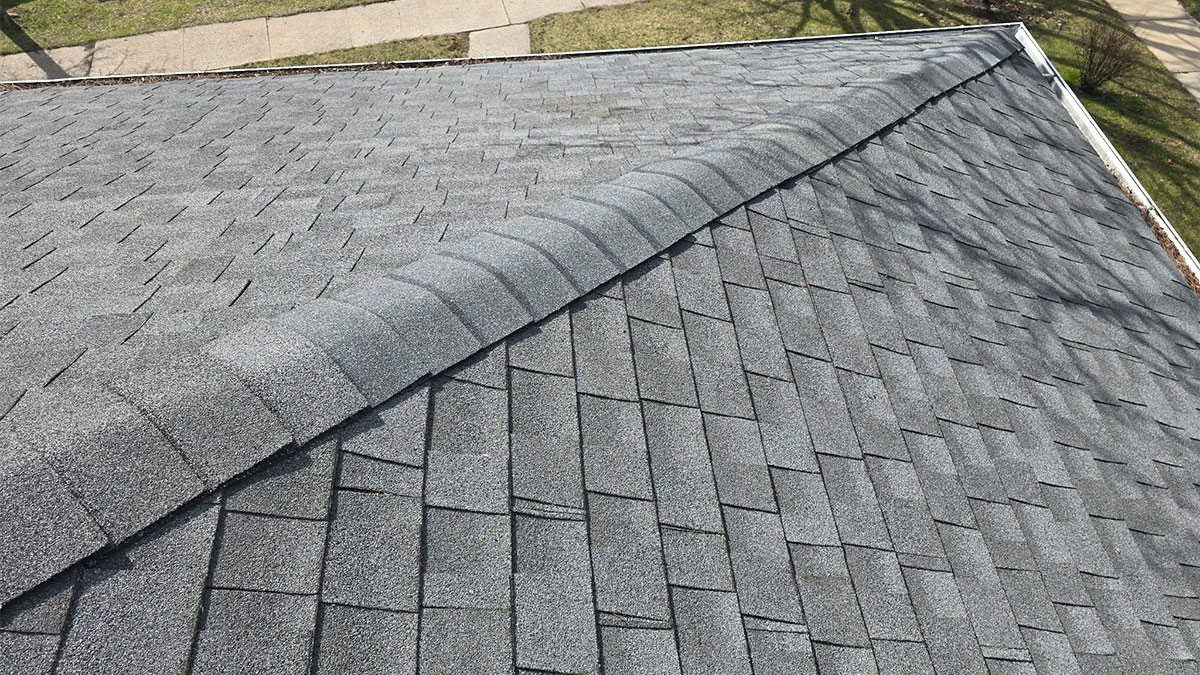
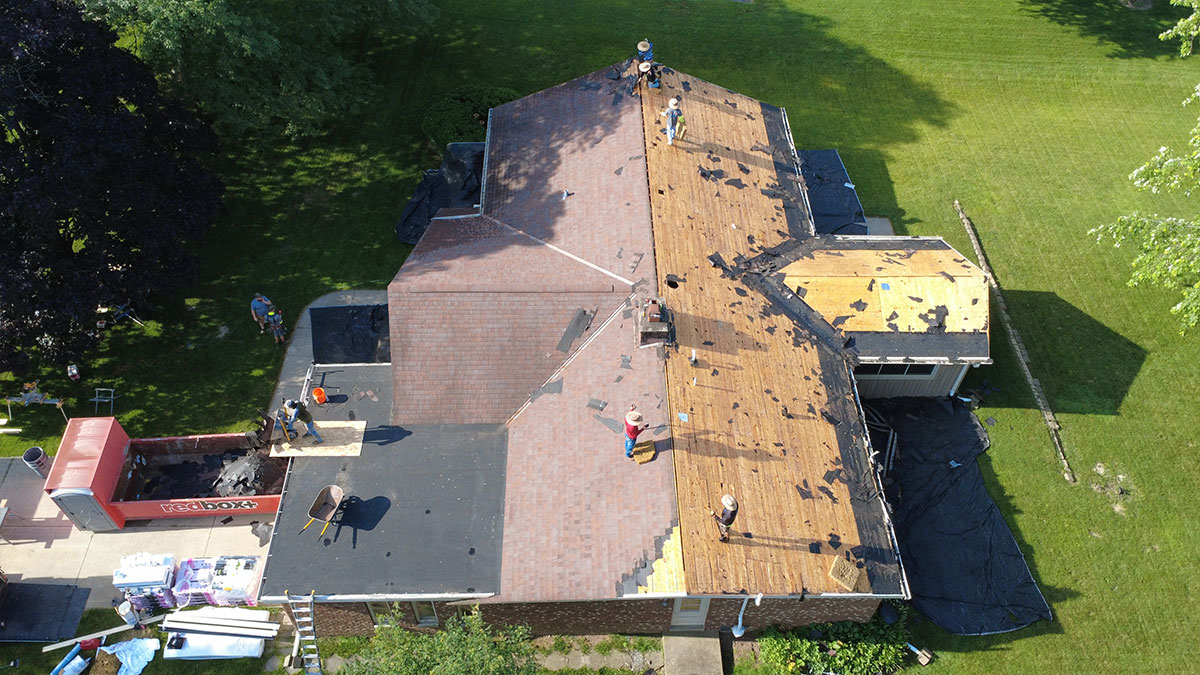
The roof is one of the most exposed parts of a home, making it particularly important to inspect before winter. Autumn weather can reveal damage caused by summer storms, strong winds and prolonged sun exposure.
A seasonal roof inspection can help identify missing shingles, damaged flashing, loose roofing materials and other issues that may allow water to enter the property.
Homeowners should look for visible signs such as:
- Missing, cracked or curling shingles.
- Loose or damaged flashing around roof penetrations.
- Sagging areas or uneven roof sections.
- Exposed nails or deteriorating roofing components.
- Moss or algae growth in areas that retain moisture.
Some problems may not be visible from the ground. A qualified roofing professional can assess difficult-to-reach areas and identify damage that requires attention.
Addressing these issues during fall can help reduce the risk of leaks when rain, snow and freezing temperatures arrive.
2. Clean Gutters and Downspouts
Falling leaves are one of the most common causes of blocked gutters during autumn. When leaves, twigs and other debris collect inside the gutter system, water may not drain properly. Blocked gutters can cause water to overflow towards exterior walls, foundations and roof edges. During colder weather, standing water may freeze and contribute to ice-related problems.
Homeowners should remove accumulated leaves and debris from gutters and check that downspouts direct water away from the property. It is also important to look for loose brackets, leaking joints and sections that have become detached from the roofline.
Gutter guards may help reduce debris accumulation, but they still require periodic inspection and cleaning. If gutters are difficult to access or show signs of damage, consider arranging professional cleaning and maintenance rather than attempting repairs from an unsafe ladder position.
3. Schedule Professional Chimney Cleaning
Before using a wood-burning fireplace regularly, homeowners should arrange a professional chimney inspection and cleaning when needed. Burning wood produces smoke, soot and creosote, which can accumulate along the inside of the chimney. Creosote is combustible, and excessive deposits can increase the risk of a chimney fire.
A chimney sweep can assess the condition of the flue, identify obstructions and remove accumulated deposits. The inspection may also reveal damaged liners, deteriorating masonry or other issues that require repair. Professional chimney cleaning is particularly important if the fireplace has not been used or inspected for an extended period.
Homeowners should avoid assuming that a chimney is clean simply because it appears to be functioning normally. Internal buildup and damage may not be visible from the fireplace opening.
4. Inspect the Chimney Cap and Crown
The chimney cap and crown help protect the chimney from rain, snow, animals and outdoor debris. Because these components remain exposed throughout the year, they should be checked before winter. A damaged or missing chimney cap can allow moisture, leaves and animals to enter the flue. Birds and small animals may also build nests inside the chimney, creating obstructions that affect airflow.
The chimney crown protects the top of the masonry structure by directing water away from the chimney. Cracks or deterioration can allow moisture to penetrate the masonry, potentially leading to further damage during freezing conditions. Look for visible cracks, loose materials, rusted metal components and signs of water penetration. A professional chimney inspection can determine whether the cap or crown needs repair or replacement.
5. Check Chimney Flashing and Roof Connections
Flashing creates a weather-resistant connection between the chimney and the surrounding roof. If this area becomes loose, cracked or deteriorated, rainwater can enter the roof structure. Water stains around the chimney, damp patches on ceilings and peeling paint near the fireplace may indicate a flashing problem.
During fall maintenance, homeowners should check for visible gaps, damaged sealant, loose metal sections and signs of corrosion. However, flashing problems can be difficult to diagnose from the ground. A roofing professional can inspect the connection and determine whether the flashing needs repair or replacement. Addressing leaks before winter can help prevent moisture damage from becoming more extensive.
6. Remove Leaves and Debris from the Roof
Leaves, small branches and other debris can collect on roof surfaces, particularly around valleys, dormers and areas near overhanging trees. When wet leaves remain on the roof, they can retain moisture against roofing materials. Organic debris may also contribute to moss and algae growth, particularly in shaded areas.
Roof valleys deserve particular attention because they help direct rainwater towards the drainage system. Accumulated debris can interfere with water flow and increase the risk of moisture-related problems. Homeowners should also trim overhanging branches where appropriate. This can reduce the amount of debris reaching the roof and lower the likelihood of branches damaging roofing materials during strong winds.
Roof cleaning should be carried out carefully. Walking on a roof without suitable equipment and experience can cause damage or result in serious injuries. Professional roof cleaning is a safer option when the roof is steep, slippery or difficult to access.
7. Look for Moss, Algae and Moisture Damage
Moss and algae can develop on roof surfaces where moisture and shade are present. Although some growth may initially appear cosmetic, heavy moss accumulation can retain moisture and affect roofing materials. Moss can also grow around shingle edges, potentially lifting or disturbing them as it develops.
Homeowners should look for green patches, dark streaks, persistent damp areas and visible deterioration. The presence of moss or algae does not always mean the roof needs replacement, but it should be assessed to determine the appropriate cleaning method.
Avoid aggressive pressure washing or harsh cleaning methods that may damage shingles or remove protective surface granules. Roofing materials should be cleaned using methods approved by the manufacturer.
8. Inspect Attic Insulation and Ventilation
Roof maintenance should also include checking the attic. Insulation and ventilation help manage indoor heat and moisture, which can affect roof performance during winter.
Poor attic insulation can allow warm indoor air to escape towards the roof. This may contribute to uneven roof temperatures and ice dam formation when snow melts and refreezes near the roof edges. Inadequate ventilation can also allow moisture to accumulate in the attic, potentially contributing to condensation, mould growth and deterioration of wooden components.
Homeowners should look for damp insulation, water stains, condensation, musty smells and signs of poor airflow. A professional can assess whether insulation levels and ventilation arrangements are suitable for the property.
9. Check Exterior Drainage Around the Property
Roof maintenance is closely connected to the property’s drainage system. Gutters and downspouts collect rainwater from the roof, but that water must also be directed safely away from the foundation. During fall, check that downspouts are clear of leaves and other debris. Make sure water outlets are not blocked and that extensions or drainage components are positioned correctly.
Also inspect the ground around the property for areas where water collects after rainfall. Fox River Home Improvements recommends checking for poor drainage, which can contribute to moisture entering basements, crawl spaces and foundation walls. Maintaining effective drainage helps protect the building from water-related problems throughout the year.
10. Prepare the Fireplace and Surrounding Area for Winter
If you plan to use your fireplace during winter, fall is a suitable time to check its overall condition. Inspect the firebox for cracked bricks, damaged mortar joints and deteriorating refractory panels. Check that the damper opens and closes properly and that the fireplace opening is free from unnecessary debris.
For wood-burning fireplaces, use properly seasoned firewood and store it in a suitable location away from the house. Avoid burning treated wood, household rubbish or other materials that may release harmful substances or produce excessive creosote.
Gas fireplaces should also be checked according to the manufacturer’s maintenance recommendations. Any suspected gas leak or malfunction should be assessed by a qualified professional. Do not use a fireplace if you notice smoke entering the room, unusual odours, visible damage or a carbon monoxide alarm. These signs require immediate attention.
Common Fall Chimney and Roof Maintenance Mistakes to Avoid
Even homeowners who follow a seasonal maintenance routine can overlook important areas. Some common mistakes can reduce the effectiveness of chimney and roof maintenance. One mistake is cleaning gutters without checking the downspouts. Removing leaves from the gutter is not enough if the drainage outlet remains blocked.
Another is focusing only on visible roof damage. Problems around flashing, chimney connections and roof valleys may require a closer professional inspection. Homeowners should also avoid delaying chimney cleaning until the first cold spell. Professional services may be in greater demand as temperatures drop, so arranging inspections earlier can make seasonal preparation easier.
Using pressure washers on shingles, ignoring small chimney cracks and attempting repairs without suitable safety equipment are additional risks. A consistent maintenance routine and professional assessment where necessary can help prevent these issues.
Final Thoughts
Fall is an ideal time to prepare your home for the colder months ahead. Cleaning gutters, arranging chimney cleaning, inspecting roofing materials and checking flashing can help identify problems before winter weather makes repairs more difficult. A complete chimney and roof maintenance routine should also include checking the chimney cap, removing roof debris, assessing attic ventilation and ensuring that exterior drainage systems are working properly.
Regular seasonal inspections do not eliminate every maintenance concern, but they can help homeowners identify developing issues and make informed decisions about necessary repairs. By addressing these tasks before winter, homeowners can support the condition of their roofing and chimney systems and prepare their properties for the season ahead. For seasonal roof and chimney inspections, contact us today to discuss your maintenance needs and prepare your property for the winter season.
Frequently Asked Questions
1. When should homeowners schedule fall chimney and roof maintenance?
Early to mid-fall is generally a suitable time to arrange seasonal maintenance. Completing inspections and cleaning before colder weather arrives allows homeowners to address problems before snow and freezing temperatures make access and repairs more difficult.
2. How often should a chimney be cleaned?
Chimneys should be inspected at least annually by a qualified professional. Cleaning should be performed when the inspection identifies deposits or obstructions that need to be removed. The required frequency depends on fireplace usage, fuel type and the chimney’s condition.
3. Why is fall a good time for a seasonal roof inspection?
Fall provides an opportunity to identify damage caused by summer storms, remove accumulated debris and check roofing components before winter. Addressing missing shingles, damaged flashing and drainage problems can help reduce the risk of cold-weather leaks.
4. What should I check on my roof before winter?
Check for missing or damaged shingles, loose flashing, moss growth, debris accumulation and signs of water damage. Gutters, downspouts and roof valleys should also be checked to ensure that water can drain properly.
5. Why should gutters be cleaned before winter?
Leaves and debris can block gutters and prevent water from draining away from the roof. During freezing weather, trapped water may freeze and contribute to ice-related problems. Cleaning gutters helps maintain proper drainage.
Related Posts