A fireplace can provide warmth and comfort during colder months, but using one safely requires…
Chimney Repair Contractors: What to Look for Before You Hire
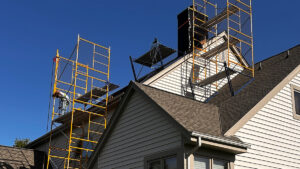 A chimney may look like a simple part of a home, but it is exposed to rain, snow, freezing temperatures, wind and constant changes in temperature throughout the year. Over time, these conditions can contribute to cracked masonry, damaged mortar joints, deteriorating flashing and other problems that may require professional chimney repairs.
When you notice a problem, choosing the right chimney repair contractor is just as important as identifying the repair itself. Poor workmanship or an incorrect repair can allow water to enter the structure and may lead to more extensive damage later.
For homeowners, the challenge is knowing what to look for before hiring a contractor. Experience, knowledge of masonry repairs, communication, inspection practices and the proposed repair method can all help you make a more informed decision.
Why Choosing the Right Chimney Repair Contractor Matters
Chimney problems are not always limited to the area that is immediately visible. For example, cracked mortar may appear to be a minor cosmetic issue, but deteriorating joints can allow moisture to penetrate the masonry. Repeated exposure to moisture and freezing conditions can contribute to further deterioration.
Similarly, a visible crack may not tell the whole story. The underlying cause could involve water penetration, movement, weather exposure or another issue that needs to be addressed as part of the repair.
An experienced contractor should therefore look beyond the visible damage and determine what needs to be repaired and why.
What Do Chimney Repair Contractors Do?
Chimney repair contractors can handle a range of repairs depending on the condition and construction of the chimney.
Common chimney repairs may include:
- Damaged or deteriorated mortar joints
- Cracked bricks
- Loose or damaged masonry
- Chimney crown repairs
- Flashing repairs
- Chimney cap repairs
- Repointing
- Water-related masonry damage
- Partial masonry replacement
The exact repair required depends on the age, construction and condition of the chimney. A contractor should be able to explain what they have found and why a particular repair is recommended.
Look for Relevant Chimney Repair Experience
One of the first things to consider is whether the contractor has experience with the type of chimney repair your property requires. Chimney work can involve masonry, roofing details, flashing and other components. A contractor who regularly works on chimneys is likely to be more familiar with the problems that can develop in these areas.
For example, if your chimney has deteriorating mortar joints, ask whether the contractor regularly performs repointing and masonry repairs. If the chimney has extensive brick damage, ask how damaged sections are assessed and whether individual bricks can be replaced where appropriate. The objective is not simply to find someone who can perform general construction work. You want to understand whether they have relevant experience with chimney-specific problems.
Check How the Contractor Assesses the Chimney
A reliable repair process should begin with an assessment of the existing condition. A contractor should examine areas such as the masonry, mortar joints, crown, flashing and other visible components as appropriate.
They should also look for signs of water penetration and deterioration. The inspection should result in a clear explanation of the problem. Be cautious if a contractor immediately recommends extensive work without first explaining what has been found. A proper assessment helps ensure that the repair addresses the actual issue rather than simply treating the most visible symptom.
Ask What Is Causing the Damage
Knowing what needs to be repaired is important, but understanding why the damage occurred can be equally important.
For example, deteriorating mortar could be associated with prolonged moisture exposure and weathering. Water stains or interior chimney-related damage could indicate a problem with water entering around the chimney or through damaged components. If the underlying cause is not addressed, a new repair may eventually experience similar problems.
Look at the Contractor’s Masonry Repair Knowledge
Masonry repairs require more than simply filling cracks or replacing damaged materials. The repair should be appropriate for the existing masonry and mortar. For example, mortar joints may need to be repointed when the existing mortar has deteriorated. The contractor should understand how to remove damaged material and complete the repair appropriately.
Replacing bricks also requires attention to the surrounding masonry and the appearance of the finished work. Ask the contractor how they approach masonry repairs and what materials they intend to use. A clear explanation can help you understand whether the proposed repair is designed for the condition of your chimney.
Ask About the Materials They Will Use
The materials used for chimney repairs can affect both appearance and long-term performance. Ask what type of mortar, brick, sealant or other materials will be used for the repair. The new materials should be appropriate for the existing chimney and the specific repair. This is particularly important for older masonry. A contractor should be able to explain why the selected materials are suitable rather than simply stating that they are standard products.
Request a Clear Written Estimate
Before work begins, homeowners should have a clear understanding of what the contractor is proposing to do and what it will cost. A written estimate should explain the scope of work and identify the major costs involved. Depending on the repair, this may include labour, materials, access equipment and other necessary work.
A detailed estimate makes it easier to compare different contractors based on what they are actually proposing. It can also reduce misunderstandings about what is included in the project. The cheapest estimate is not necessarily the most appropriate option. A significantly lower price may reflect differences in materials, scope or the amount of work included.
Ask Whether the Contractor Will Address Water Intrusion
Water is one of the major concerns when it comes to chimney deterioration. A chimney is exposed to the elements, so damaged masonry, flashing, crowns or other components can create opportunities for water to enter. If your chimney shows signs of moisture damage, ask the contractor whether the proposed repair addresses the source of the problem.
For example, repairing damaged masonry without addressing a separate water-entry issue may not solve the larger problem. A good contractor should consider the chimney as a complete system rather than focusing only on one damaged area.
Check Reviews and References
Homeowners can also learn more about a contractor by checking their previous work and customer feedback. Look for reviews that specifically mention chimney repairs or masonry work rather than relying solely on general comments about the company. Fox River Home Improvements can help homeowners understand their chimney repair needs and explore suitable solutions based on the condition of their property.
If references are available, ask about the type of work completed and whether the project was finished as agreed. A single negative review does not necessarily tell you everything about a contractor, but repeated complaints about communication, unfinished work or unexpected charges may be worth considering.
Ask About Insurance and Relevant Credentials
Before allowing contractors to work on your property, ask about appropriate insurance and any relevant trade qualifications or credentials. Chimney repairs can involve working at height, handling masonry and accessing areas that are difficult to reach safely.
The contractor should be able to provide information about the protections they have in place. You should also ask whether permits or other requirements apply to the planned work in your area. Requirements can vary depending on the location and type of project, so it is worth confirming what applies to your property before work begins.
Be Cautious About Pressure to Approve Immediate Repairs
Chimney problems should be taken seriously, but homeowners should still have an opportunity to understand the recommended work.
Be cautious if a contractor uses pressure tactics to make you approve a major repair immediately without providing a clear explanation. A trustworthy contractor should be able to explain the condition of the chimney, the recommended repair and the expected cost.
For significant work, homeowners may also choose to obtain more than one professional opinion. This can help them understand whether different contractors have identified the same issue and whether their proposed solutions are broadly consistent.
Watch for Signs of a Poor Chimney Repair Contractor
Certain warning signs can make a contractor worth approaching with caution. These may include:
No Clear Written Estimate
If you are given only a verbal price without a clear explanation of the work, it may be difficult to understand what you are paying for.
Vague Explanations
A contractor should be able to explain the problem and proposed solution without relying entirely on technical language.
Extremely Low Quotes
A very low estimate may not include the same scope of work or materials as another quote.
Pressure to Sign Immediately
Homeowners should have time to understand significant repair decisions before agreeing to the work.
Unclear Business Information
Basic company information, contact details and relevant insurance information should be reasonably clear.
No Discussion of the Underlying Problem
If a contractor only talks about repairing visible damage without considering why it occurred, ask additional questions.
Why Regular Chimney Maintenance Can Help
Hiring chimney repair contractors is often necessary when visible damage has already developed, but regular inspection and maintenance can help homeowners identify problems earlier. Small cracks, deteriorating mortar and damaged flashing may become more significant if they are left exposed to the weather for long periods.
Regular attention can help homeowners understand the condition of the chimney and determine whether repairs are needed. This does not mean every minor issue requires immediate major work. Instead, the goal is to identify deterioration and address appropriate repairs before the problem becomes more extensive.
What Should You Expect From a Good Chimney Repair Contractor?
A good contractor should provide more than a repair price. Homeowners should expect clear communication, an explanation of the problem, a defined scope of work and information about the materials and repair approach. The contractor should also communicate if the condition of the chimney changes once work begins.
Good workmanship should leave the repaired area properly finished and integrated with the existing structure. The exact repair process will vary depending on the chimney, but transparency should remain consistent throughout the project.
Final Thoughts
Choosing chimney repair contractors is an important decision for homeowners because chimney problems can involve more than visible cosmetic damage. Before hiring a contractor, look for relevant experience, a thorough assessment process, knowledge of masonry repairs and a clear explanation of the recommended work.
Ask about materials, insurance, written estimates and how unexpected problems will be handled. It is also worth reviewing previous customer experiences and comparing the scope of different estimates rather than choosing based solely on price. Most importantly, make sure the contractor understands the underlying cause of the problem. A repair should address the condition of the chimney appropriately rather than simply covering up visible damage.
Taking the time to ask the right questions can help homeowners make a more informed decision and choose a contractor who is prepared to approach chimney repairs with the attention the property requires. Contact us today to discuss your chimney repair needs and get professional guidance for your property.
Frequently Asked Questions
What should I look for when hiring chimney repair contractors?
Look for relevant chimney repair experience, knowledge of masonry repairs, appropriate insurance, clear communication, written estimates and a detailed explanation of the recommended work.
How do I know if my chimney needs repairs?
Signs can include cracked bricks, deteriorating mortar, loose masonry, water stains, damaged flashing or visible deterioration around the chimney. A professional assessment can help determine the extent of the problem.
What are common chimney repairs?
Common repairs include repointing deteriorated mortar joints, replacing damaged bricks, repairing chimney crowns, addressing flashing problems and repairing other damaged masonry.
Should I get more than one estimate for chimney repairs?
For significant repairs, comparing estimates can help homeowners understand differences in scope, materials and pricing. Make sure you compare what each contractor is actually including rather than comparing prices alone.
Can damaged chimney masonry lead to further problems?
Yes. Deteriorated masonry can allow moisture to enter the structure and may worsen over time, particularly when exposed to repeated weather conditions. Addressing appropriate repairs can help prevent further deterioration.
Related Posts