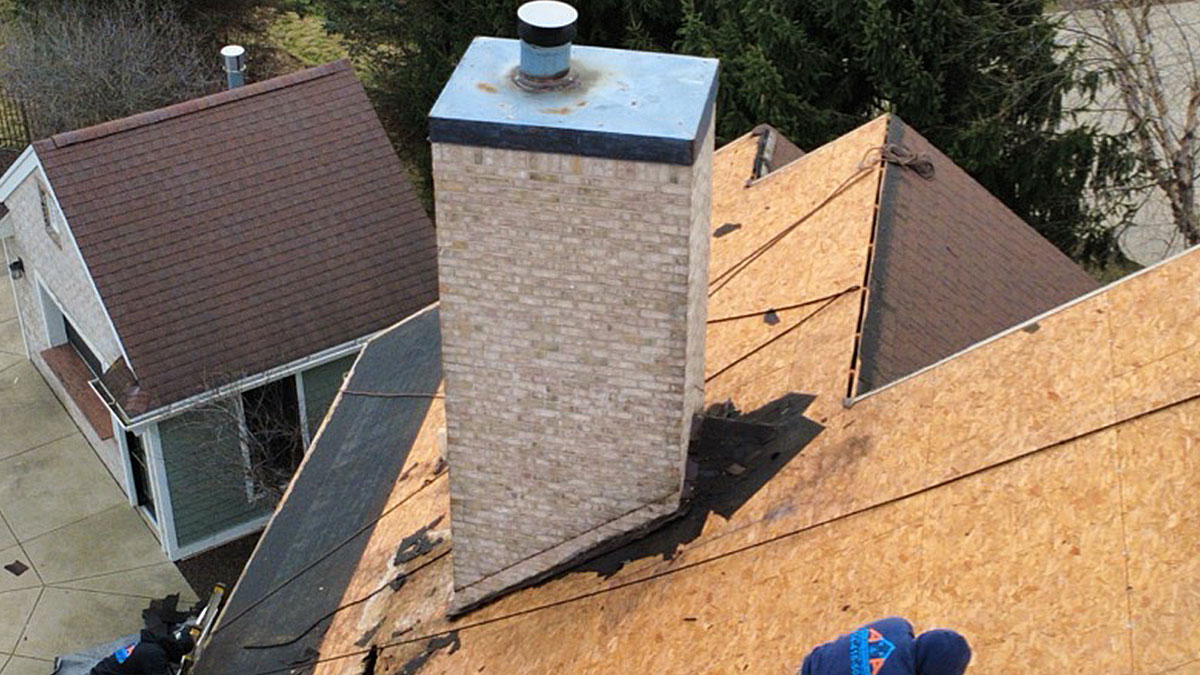
Wondering how much does chimney removal cost? This guide breaks down prices for partial vs. full removal, key factors, and hidden expenses. Get a clear e...
Gas vs Wood-Burning Fireplace Repair Considerations
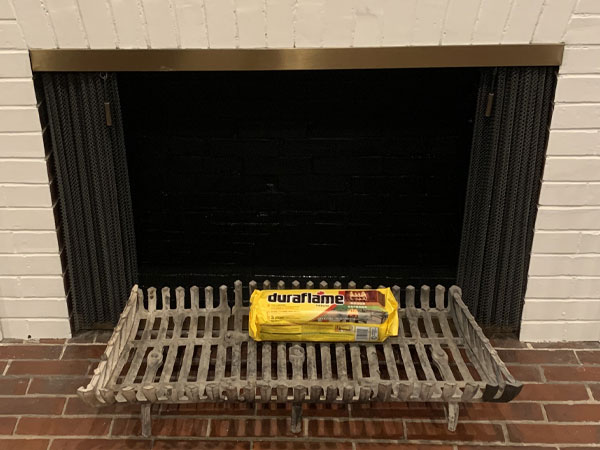 A fireplace adds warmth, comfort, and character to a home, but like any heating system, it requires regular maintenance and occasional repairs to operate safely and efficiently. Whether you own a gas fireplace or a traditional wood-burning fireplace, understanding their unique repair needs can help you prevent costly problems and extend the life of your system.
Although both types of fireplaces serve the same purpose, they operate very differently. Gas fireplaces rely on burners, ignition systems, and gas lines, while wood-burning fireplaces depend on proper chimney function, airflow, and regular cleaning. Knowing these differences can help homeowners make informed decisions about maintenance and fireplace repair. This guide compares gas and wood-burning fireplace repair considerations so you know what to expect.
Understanding the Differences
Gas and wood-burning fireplaces use different heating methods, which means they experience different types of wear over time. Gas fireplaces contain mechanical and electronic components that require periodic servicing. Wood-burning fireplaces rely on masonry, chimney liners, dampers, and flue systems that are exposed to heat, smoke, and creosote buildup. Because of these differences, the maintenance and repair requirements for each system vary considerably.
Common Gas Fireplace Repairs
Gas fireplaces are generally easy to operate, but they contain several components that may require attention over time. Common gas fireplace repair services include replacing faulty ignition systems, repairing pilot lights, cleaning burners, fixing thermocouples or thermopiles, addressing gas valve issues, and inspecting ventilation systems. Dust and debris can also affect burner performance, reducing heating efficiency. Regular servicing helps keep gas fireplaces operating safely and reliably.
Common Wood-Burning Fireplace Repairs
Wood-burning fireplaces require more routine maintenance because they produce smoke, ash, and creosote. Typical repairs include replacing damaged chimney liners, repairing cracked fireboxes, repointing deteriorated masonry, replacing chimney caps, repairing dampers, and addressing smoke drafting issues. Creosote buildup also requires professional chimney cleaning to reduce the risk of chimney fires. Routine wood fireplace maintenance is essential for safe operation.
Maintenance Requirements
Both fireplace types benefit from regular maintenance, but the tasks involved are different. Gas fireplaces should be professionally inspected to ensure burners, ignition systems, and gas connections are functioning properly. Wood-burning fireplaces require annual chimney inspections, flue cleaning, ash removal, and masonry evaluations to identify wear caused by repeated heating cycles.
Safety Considerations
Safety should always be the highest priority when operating any fireplace. At Fox River Home Improvements, we understand that gas fireplaces may develop gas leaks, faulty ignition systems, or ventilation issues that require immediate professional attention. Wood-burning fireplaces face risks such as chimney fires, creosote accumulation, cracked liners, and carbon monoxide exposure if the chimney is not functioning correctly. Annual inspections significantly reduce these risks
Repair Costs
The cost of repairs depends on the type of fireplace and the specific problem. Minor gas fireplace repairs, such as replacing an ignition component, are often relatively straightforward. However, repairing gas valves or replacing major components may increase costs. Wood-burning fireplaces can involve masonry work, chimney liner replacement, or structural chimney repairs, which vary depending on the extent of the damage. A professional inspection provides the most accurate repair estimate.
Signs Your Fireplace Needs Repair
Recognizing early warning signs can help prevent more serious damage. For gas fireplaces, common symptoms include difficulty igniting, a weak or uneven flame, unusual odors, soot buildup, or unexpected shutdowns. Wood-burning fireplaces may show signs such as smoke entering the home, cracked bricks, excessive creosote, damaged dampers, loose mortar, or visible chimney deterioration. Addressing these issues promptly helps maintain safe operation.
The Importance of Annual Inspections
Annual inspections are recommended regardless of the type of fireplace you own. Professional technicians inspect the entire system, identify developing problems, clean critical components when necessary, and ensure the fireplace meets current safety standards. Small issues detected early are often less expensive to repair than major system failures. Preventive maintenance also extends the lifespan of your fireplace.
Which Fireplace Requires More Maintenance?
Wood-burning fireplaces generally require more maintenance than gas systems. Because they produce ash, smoke, and creosote, they need regular chimney cleaning and closer attention to the chimney structure. Gas fireplaces typically require less routine cleaning but still need professional servicing to maintain safe and efficient operation. Both systems benefit from scheduled inspections and timely repairs.
Choosing the Right Repair Professional
Fireplace repairs should always be performed by qualified professionals. Experienced technicians understand the unique requirements of both gas and wood-burning systems. They have the equipment and expertise to diagnose problems accurately, complete repairs safely, and verify that the fireplace operates correctly before it is used again. Attempting complex repairs without proper training can create serious safety hazards.
Tips to Reduce Future Repairs
Regular maintenance is the best way to avoid expensive repairs. Schedule annual fireplace inspections, clean wood-burning chimneys regularly, burn only properly seasoned firewood, keep gas fireplaces free from dust and debris, and address small issues before they become larger structural problems. Consistent care helps maximize both safety and performance.
Conclusion
Understanding the differences between gas and wood-burning fireplaces helps homeowners make better maintenance decisions. While gas fireplace repair often focuses on burners, ignition systems, and gas components, wood fireplace maintenance involves chimney cleaning, masonry care, and creosote management.
No matter which type of fireplace you own, regular inspections and timely fireplace repair will improve safety, increase efficiency, and help your fireplace provide reliable warmth for years to come. Contact us today to schedule a professional fireplace inspection and repair service to keep your fireplace operating safely, efficiently, and reliably.
Frequently Asked Questions
Which type of fireplace requires more maintenance?
Wood-burning fireplaces generally require more maintenance because they produce ash and creosote, requiring regular chimney cleaning and inspections.
How often should a gas fireplace be serviced?
Most experts recommend having a gas fireplace professionally inspected and serviced once a year to ensure safe and efficient operation.
What are common gas fireplace repair issues?
Common repairs include faulty pilot lights, ignition problems, burner cleaning, thermocouple replacement, gas valve repairs, and ventilation inspections.
Why is chimney cleaning important for wood-burning fireplaces?
Chimney cleaning removes creosote buildup, which reduces the risk of chimney fires and helps maintain proper airflow.
Can I repair my fireplace myself?
Basic cleaning may be performed by homeowners, but repairs involving gas systems, chimneys, or structural components should always be handled by qualified professionals to ensure safety.
Related Posts