Wondering, 'Does homeowners insurance cover roof replacement?' Learn what damage is covered, common exclusions, and how to file a successful claim. Get a...
How Do I Match A Roof To My Home’s Architecture?
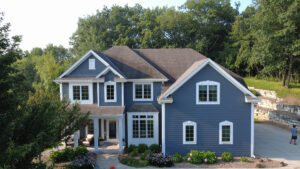 Choosing a new roof is a significant investment, so it’s natural to ask, how do I match a roof to my home’s architecture? The right answer ensures your home not only stays protected but also looks cohesive and beautiful, boosting its curb appeal and overall value. A mismatched roof can detract from even the most stunning architectural features. Therefore, understanding the interplay between your home’s design, roofing materials, and color palettes is essential. This guide will walk you through the key considerations to make a choice you’ll be proud of for decades.
Understanding Your Home’s Architectural Style
Before you can choose a roof, you must first identify your home’s architectural style. Different styles have distinct characteristics that pair best with specific roofing materials and shapes. For example, the steep gables of a Tudor home demand a different approach than the low-slung roofline of a mid-century Ranch. Recognizing your home’s design is the foundational step in the selection process.
Most homes in America fall into several popular categories. Furthermore, each has a unique history and design language that should inform your roofing decision. Identifying your style correctly will significantly narrow down your options and prevent an aesthetic clash.
- Colonial: Characterized by symmetrical design, multi-pane windows, and a central front door. Roofs are often side-gabled with a medium pitch.
- Craftsman: Features low-pitched rooflines, wide eaves, and exposed rafters. Porches with thick columns are also a common element.
- Ranch: Known for its single-story, open-plan layout and low-pitched roof. The design is simple, long, and close to the ground.
- Modern/Contemporary: Often showcases clean lines, geometric shapes, and a minimalist aesthetic. Roofs can be flat, low-slope, or uniquely angled.
- Tudor: Defined by its steeply pitched roofs, decorative half-timbering, and prominent cross gables.
For a deeper dive into various home designs, exploring resources from publications like Architectural Digest can provide excellent visual references. Consequently, you’ll have a clearer picture of what defines your home’s look.
What are the Key Factors in Roof and Home Harmony?
Once you’ve identified your home’s style, several factors come into play. It’s a balancing act between material, color, and form. Importantly, each element contributes to the final look, so giving each one careful thought is crucial for success. A holistic approach guarantees a result that feels intentional and harmonious.
1. Roofing Material Choices
The material is arguably the most significant choice. It impacts not only aesthetics but also durability, cost, and maintenance. Specifically, certain materials are historically accurate or visually compatible with particular styles.
- Asphalt Shingles: As the most popular roofing material, asphalt is versatile and cost-effective. Architectural shingles, with their dimensional appearance, can mimic the look of more expensive materials like slate or wood, making them suitable for almost any style, from Colonial to Ranch.
- Metal Roofing: Sleek and durable, metal roofs are a perfect fit for Modern and Contemporary homes. However, they can also complement rustic styles like farmhouses when used in a standing-seam profile.
- Slate and Tile: These are premium, heavy materials that offer unparalleled longevity and a distinct look. Slate is a classic choice for Tudor and Colonial homes, while clay tiles are the hallmark of Mediterranean and Spanish-style architecture.
- Wood Shakes: For a natural, rustic appearance, wood shakes are ideal for Craftsman and Cape Cod homes. They provide a textured, organic look that blends well with natural surroundings.
2. Color Coordination and Contrast
Color has a massive impact on your home’s overall presence. A good rule of thumb is to choose a roof color that complements your home’s siding, trim, and shutters. For instance, a home with a warm color palette (beiges, tans, reds) often pairs well with brown or warm gray roof tones. In contrast, a cool-toned home (blues, grays, whites) looks sharp with a black, charcoal, or cool gray roof.
Consider the visual weight as well. A dark roof can make a tall home feel more grounded, while a lighter-colored roof can make a small home appear larger. When in doubt, you can always rely on neutral shades like gray and brown, as they work with a wide variety of home colors. Making a final decision often comes down to personal preference and what you feel best enhances your home’s features. For more guidance, you might consider a roof visualization tool to see how different colors look on a sample home.
Answering the Big Question: How Do I Match a Roof to My Home’s Architecture?
This question is best answered by synthesizing style, material, and color. For example, putting a red tile roof on a classic Colonial home would be a jarring mistake. Similarly, a flat modern roof on a Craftsman bungalow would disrupt its defining characteristics. The goal is to create a unified look where the roof appears as an integral part of the original design, not an afterthought. This is where professional expertise becomes invaluable.
A seasoned contractor can provide tailored advice based on your specific situation. They understand how local climate affects material performance and can guide you toward a choice that is both beautiful and practical. Furthermore, they can help you navigate the complexities of choosing the right product. If you’re wondering how to choose a reliable contractor, look for professionals with a strong portfolio and deep local experience.
Final Thoughts on Creating the Perfect Match
Ultimately, the process of answering ‘how do I match a roof to my home’s architecture?‘ is about respecting your home’s inherent design while making a choice that reflects your personal taste and budget. By considering the architectural style, carefully selecting materials, and coordinating colors, you can achieve a stunning result. Remember that a new roof is a long-term commitment, so taking the time to get it right is a wise investment.
Key takeaways include:
- First, identify your home’s architectural style (e.g., Colonial, Craftsman, Modern).
- Next, research materials like asphalt, metal, or slate to see which best fits that style.
- Then, choose a color that complements your home’s siding and trim.
- Finally, consult with a professional to ensure your choice is durable, appropriate for your climate, and installed correctly.
A successful roofing project enhances your home’s beauty and protects it for years to come. If you’re considering a new roof and need expert guidance on making the perfect choice, from understanding the cost of replacement to final installation, we’re here to help. Contact our team for a professional consultation and a detailed estimate for your project.
Related Posts