A chimney plays an important role in safely directing smoke, gases, and combustion byproducts away…
How Roof and Chimney Inspections Protect Your Home Investment
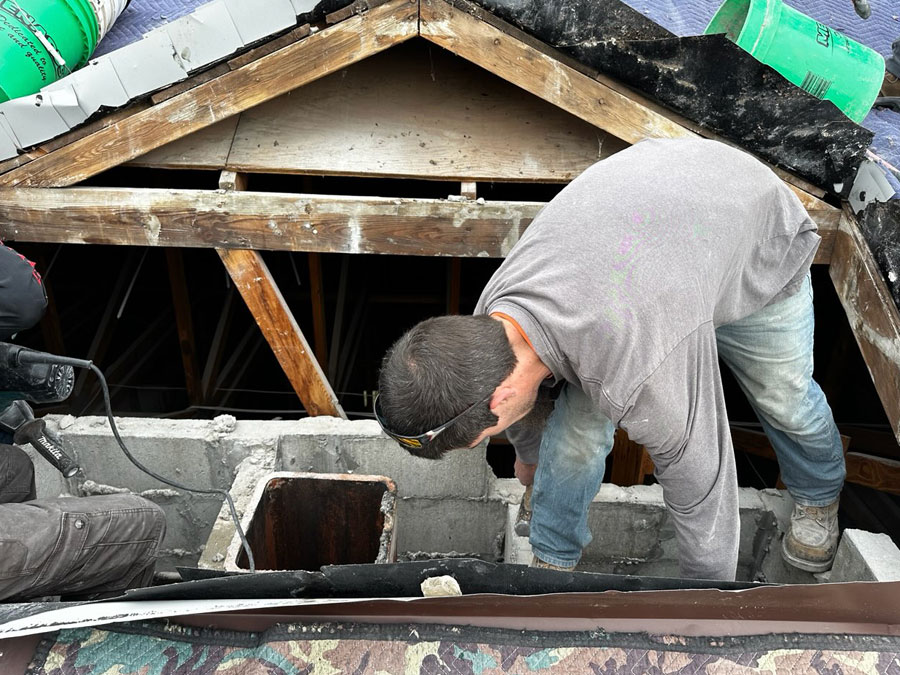 Your home is one of the largest investments you are likely to make, so protecting it requires more than addressing problems when they become obvious. Regular inspections can help identify small issues before they develop into expensive repairs, particularly in areas that are continuously exposed to weather.
The roof and chimney are two important parts of a home’s exterior protection system. They are exposed to rain, snow, wind, temperature changes, moisture, and other environmental conditions throughout the year. Damage in either area can eventually affect other parts of the property.
A professional roof and chimney inspection can provide homeowners with a clearer understanding of the condition of these components and help them plan maintenance before problems become more serious.
Why Roof and Chimney Inspections Matter
A roof protects the interior of your home from the elements, while a chimney can serve an important role in fireplace and heating-system ventilation. Both require ongoing maintenance to perform properly.
Some problems are easy to see, such as missing shingles or visibly damaged masonry. Other issues may be less obvious. Small gaps, deteriorating mortar, damaged flashing, moisture intrusion, or problems around roof penetrations can develop without immediately causing visible interior damage.
Regular inspections can help identify these conditions earlier. Rather than waiting for a ceiling stain, chimney leak, or visible structural problem, homeowners can use inspections as part of a proactive maintenance strategy.
What Is a Roof and Chimney Inspection?
A roof and chimney inspection involves evaluating the condition of the roofing system and chimney components to identify visible damage, deterioration, potential moisture entry points, and other maintenance concerns.
The exact inspection process varies depending on the property, roof design, chimney construction, accessibility, and service provider. A roof inspection may consider roofing materials, flashing, drainage areas, penetrations, visible signs of wear, and other accessible components.
A chimney inspection may examine masonry, mortar joints, flashing, the chimney cap, crown, exterior surfaces, and other accessible areas. If a fireplace or chimney is actively used, additional inspection considerations may apply depending on the type of system.
Preventing Small Problems From Becoming Major Repairs
One of the biggest benefits of preventive inspection is early detection. A small roofing defect may allow moisture to enter beneath the roofing materials. Over time, continued moisture exposure can affect decking, insulation, framing, drywall, and interior finishes.
Similarly, a minor chimney flashing problem may develop into a recurring leak around the roof-chimney intersection. Identifying the problem early may provide more repair options and reduce the likelihood of extensive damage.
This is an important part of structural protection because maintaining the exterior components of the home can help protect the materials underneath.
How Roof Inspections Protect Your Home
Your roof is constantly exposed to changing weather conditions. Wind can loosen or remove shingles. Heavy precipitation can test flashing and drainage systems. Temperature fluctuations can contribute to material expansion and contraction. Over time, these conditions can cause gradual deterioration.
A roof inspection can help identify signs of damage before they become more significant. The inspection may identify issues such as damaged or missing roofing materials, deteriorated flashing, signs of water intrusion, or other visible concerns. Addressing these problems early can help maintain the roof’s ability to protect the home.
How Chimney Inspections Protect Your Property
Chimneys can be particularly vulnerable to moisture because they extend through the roof and are exposed to outdoor conditions. Masonry can deteriorate over time, especially when moisture enters cracks or damaged mortar joints. Freeze-thaw cycles can make existing deterioration worse in colder climates.
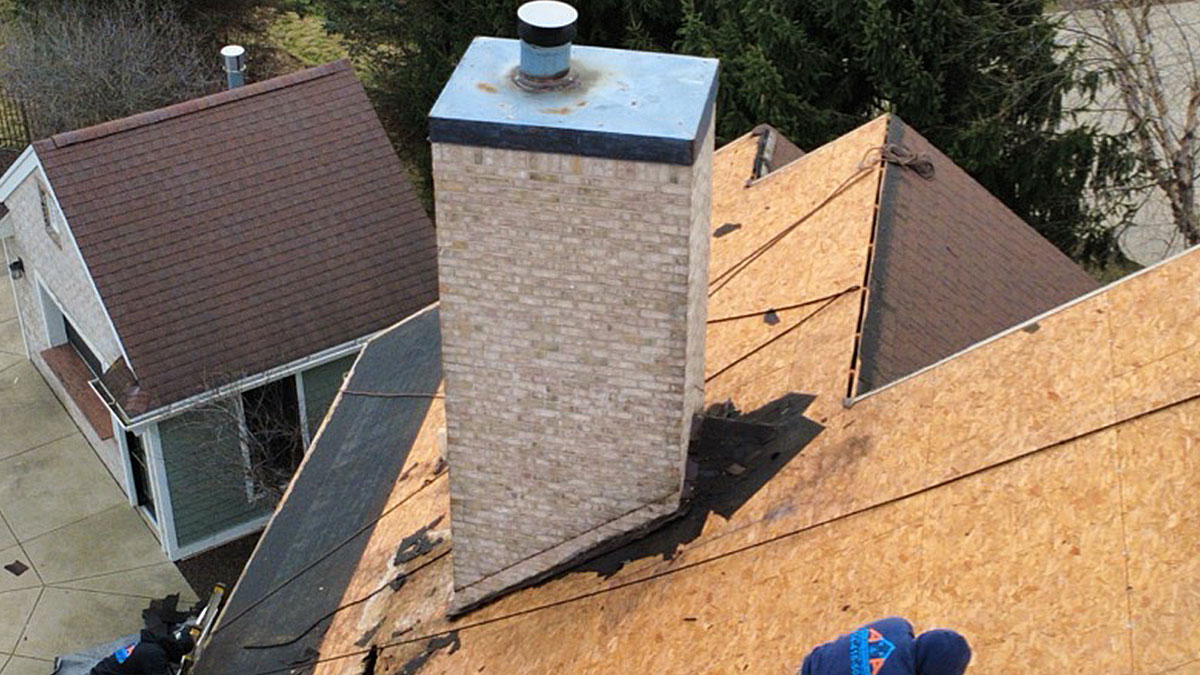
The chimney cap, crown, flashing, and masonry all play roles in keeping moisture out. A chimney inspection can identify visible signs of deterioration and help determine whether maintenance or repair may be necessary. Maintaining the chimney can also help protect the surrounding roof and interior areas from water damage.
The Importance of Flashing
Flashing is an important component around areas where different building materials meet. Roof flashing helps direct water away from vulnerable joints and penetrations. Chimney flashing is particularly important because the chimney creates an opening through the roof.
If flashing becomes damaged, loose, corroded, or improperly sealed, water may find a path into the structure. During a roof and chimney inspection, these areas can be evaluated for visible signs of deterioration. Properly maintained flashing can help reduce the risk of moisture intrusion around one of the most vulnerable areas of the roof.
Moisture Damage Can Spread
Water entering a home does not always remain in the location where the leak begins. Moisture can travel through roofing materials, insulation, wood components, ceilings, and walls. By the time an interior stain becomes visible, the underlying issue may have existed for some time.
This is why preventative inspections are valuable. Detecting potential moisture entry points before significant interior damage occurs can give homeowners an opportunity to address the source rather than waiting for the consequences to become visible. At Fox River Home Improvements, we recommend regular inspections to help identify potential issues early and protect your home from avoidable damage.
Building a Home Maintenance Checklist
A home maintenance checklist can help property owners stay organized and avoid overlooking important areas of the home. Roof and chimney inspections should be considered alongside other routine maintenance tasks. Depending on the property, homeowners may also monitor gutters, downspouts, exterior siding, windows, drainage, foundations, and other exterior components.
The exact schedule should depend on the age and condition of the home, local weather conditions, roofing materials, chimney construction, and previous repair history. Keeping inspection records can also be useful. Documentation can help homeowners track recurring problems and understand how the condition of the property changes over time.
Inspections After Severe Weather
Severe weather can increase the need for a roof inspection. High winds can damage roofing materials, while heavy precipitation may expose weaknesses in flashing or drainage systems. Falling branches can also cause physical damage.
Chimneys can be affected by strong winds and severe weather as well. After significant weather events, homeowners should look for obvious signs of damage from the ground but should avoid climbing onto the roof themselves if they are not equipped or trained to do so. A professional inspection can provide a safer and more thorough evaluation.
Older Homes Need Special Attention
Older properties may require additional maintenance because roofing and chimney components can have decades of exposure behind them. Older masonry, outdated flashing, aging roofing materials, and previous repairs can all affect the current condition of the structure.
An inspection can help identify areas that may require attention before they become larger problems. For homeowners purchasing an older property, a roof and chimney inspection can also provide useful information about potential maintenance requirements.
Protecting Long-Term Property Value
Preventive maintenance is closely connected to long-term property value. A well-maintained roof can contribute to the overall condition and appearance of a property. Properly maintained chimney components can also reduce the risk of water damage and deterioration around the roofline.
Homeowners who keep records of inspections and repairs may also have useful documentation when it is time to sell. While no inspection can guarantee that a property will avoid future problems, proactive maintenance can help preserve the condition of important building components.
Inspections Can Help With Maintenance Planning
An inspection is not only about identifying problems. It can also help homeowners plan for future expenses. For example, an inspection may show that a roof is currently serviceable but beginning to show signs of age. Instead of facing an unexpected replacement later, the homeowner can begin planning financially for future work.
Likewise, a chimney may not require immediate major repairs but could benefit from maintenance before deterioration progresses. This type of forward planning can make homeownership more predictable.
Structural Protection Starts With Preventive Maintenance
Structural protection involves more than addressing foundation or framing problems. The roof and chimney form part of the home’s exterior defense against moisture and weather. Keeping these components in good condition can help reduce the chance that water reaches structural materials.
This is particularly important because prolonged moisture exposure can contribute to deterioration in wood and other building materials. Regular inspection and timely maintenance therefore form an important part of protecting the broader structure of the home.
What Homeowners Should Look for Between Inspections
Professional inspections should not replace basic homeowner awareness. From the ground, homeowners can watch for obvious signs such as missing or damaged shingles, visible chimney deterioration, damaged flashing, stains around ceilings or walls, or signs of water entering the property.
Gutters and downspouts should also be monitored because poor drainage can contribute to moisture problems around the roof and foundation. If something appears unusual, it is better to investigate the issue promptly rather than assume it will resolve itself.
Choosing a Professional Inspection Service
When selecting a company for a roof and chimney inspection, consider its experience with both roofing and chimney systems. Ask what the inspection includes and whether the findings will be documented. It is also useful to understand whether the company provides repair recommendations when problems are identified.
A clear inspection report can help homeowners distinguish between urgent concerns, recommended maintenance, and conditions that can simply be monitored. The goal should be to receive useful information that supports informed maintenance decisions.
Final Thoughts
A roof and chimney inspection is an important part of protecting the condition of your home. These components are continuously exposed to weather and can develop problems that are not immediately obvious.
Regular inspections can help identify deteriorating roofing materials, chimney masonry concerns, flashing problems, and potential moisture entry points before they develop into more extensive issues.
Adding roof and chimney inspections to your home maintenance checklist can also help you plan repairs, manage future expenses, and support long-term property value. Most importantly, preventive maintenance contributes to structural protection by helping keep water and weather away from the materials that make up your home. Contact us today to schedule a roof and chimney inspection and discuss preventative maintenance options to help protect your home and property value.
Frequently Asked Questions
What does a roof and chimney inspection check?
An inspection can evaluate accessible roofing and chimney components for visible damage, deterioration, moisture concerns, flashing problems, and other maintenance issues. The exact inspection scope depends on the property and service provider.
How often should a roof and chimney be inspected?
The appropriate schedule varies depending on the age, materials, weather exposure, condition, and use of the roof and chimney. Inspections may also be appropriate after severe weather or when visible problems appear.
Can a roof inspection find leaks?
An inspection may identify visible signs of water intrusion or conditions that could allow water to enter. However, the exact source of a leak is not always immediately obvious and may require additional investigation.
Why is chimney flashing important?
Chimney flashing helps direct water away from the area where the chimney meets the roof. Damaged or deteriorated flashing can create an opportunity for water to enter the building.
Does an inspection mean I need a new roof?
No. An inspection identifies the condition of the roofing system. Depending on the findings, the appropriate recommendation may be maintenance, a localized repair, more extensive repairs, or replacement.
Related Posts