Learn how often should I have my chimney cleaned to prevent fires. Annual inspections are recommended to remove dangerous creosote. Contact us for a quote!
Masonry Chimney – Repair Costs and When to Rebuild
 Understanding when to repair a masonry chimney is essential for homeowners dealing with aging brickwork, moisture damage, or structural concerns. Chimneys are constantly exposed to wind, rain, snow, and temperature changes, making them among the most vulnerable parts of a home. Over time, even well-built chimneys can develop cracks, loose bricks, and failing mortar.
Homeowners researching chimney masonry repair costs in Wisconsin often face an important question. Should the chimney be repaired, or is a full rebuild the smarter long-term choice? This guide explains common repair methods, expected costs, and when rebuilding becomes necessary.
Why Masonry Chimneys Deteriorate Over Time
Masonry chimneys are built from brick, mortar, and concrete components that expand and contract with temperature changes. In regions like Wisconsin, freeze and thaw cycles accelerate wear.
Moisture is the primary cause of chimney damage. When water enters small cracks and freezes, it expands and forces masonry materials apart. Over time, this leads to crumbling mortar, spalling bricks, and weakened structural integrity.
Common Signs Your Chimney Needs Repair
Chimney damage often develops gradually, making early detection important.
Visible signs include cracked mortar joints, loose bricks, leaning structures, and white staining known as efflorescence. Inside the home, rusted fireplace components, water stains, or musty odors may indicate moisture intrusion.
Understanding Chimney Masonry Repair Options
Not all chimney issues require a full rebuild. Many problems can be addressed with targeted repairs when caught early.
- Tuckpointing and Mortar Repair
Tuckpointing involves removing deteriorated mortar and replacing it with new mortar that matches the original composition. This restores structural stability and prevents water from entering the chimney system.
Tuckpointing is one of the most common and cost-effective chimney repairs for homeowners in Wisconsin.
- Brick Replacement and Spalling Repair
Spalling occurs when brick faces crack or flake due to moisture exposure. Damaged bricks must be removed and replaced to prevent further deterioration.
Brick replacement improves both safety and appearance while preserving the chimney’s original structure.
Ignoring these warning signs can lead to more extensive and expensive repairs later.
Chimney Crown Repair in Wisconsin
The chimney crown is a concrete or mortar slab that sits at the top of the chimney. Its purpose is to direct water away from the flue and masonry below.
Why Chimney Crowns Fail
Over time, crowns can crack due to weather exposure and thermal expansion. Even small cracks allow water to penetrate the chimney, leading to interior damage.
Crown Repair and Coatings
Minor crown damage can often be repaired using specialized sealants or crown coatings. These flexible materials fill cracks and provide a waterproof barrier.
In cases of extensive cracking, rebuilding the crown may be necessary to restore proper protection.
Flue Tile Damage and Internal Chimney Issues
The flue liner protects the chimney structure from heat and combustion byproducts. Clay flue tiles can crack or shift over time.
Damaged flue tiles increase the risk of moisture damage and reduce chimney efficiency. Repairs may involve sealing cracks or replacing sections of the liner depending on severity.
Internal chimney inspections help identify hidden problems that may not be visible from the exterior.
Chase Covers and Chimney Cap Replacement
Metal components play an important role in chimney protection.
Chimney Caps
Chimney caps prevent rain, debris, and animals from entering the flue. A missing or damaged cap exposes the chimney to moisture and blockages.
Replacing a chimney cap is a relatively simple repair that can significantly extend chimney life.
Chase Covers
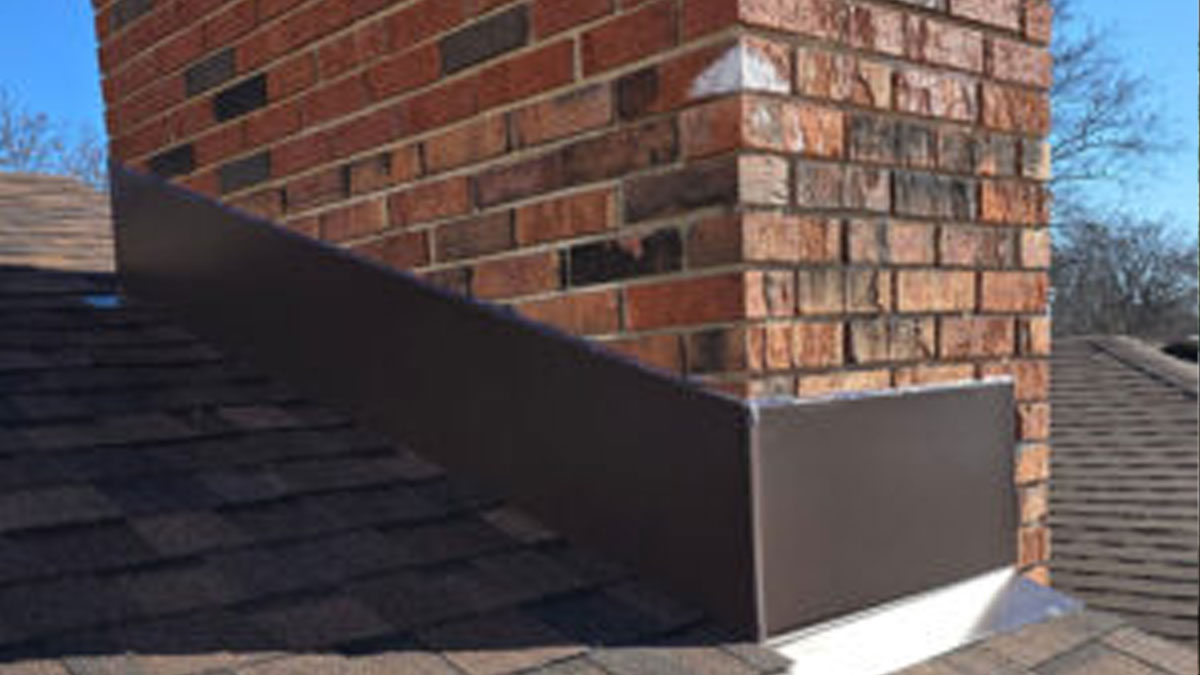
For chimneys with a framed chase, a chase cover protects the top surface from water intrusion. Rusted or poorly fitted covers should be replaced to maintain a watertight seal.
Moisture Damage and Waterproofing Solutions
Waterproofing is one of the most effective ways to protect masonry chimneys.
Breathable masonry waterproofing products allow moisture inside the chimney to escape while preventing new water from entering. This reduces freeze-thaw damage and slows deterioration.
Waterproofing is often recommended after repairs to protect the investment in the long term.
Chimney Masonry Repair Cost in Wisconsin
Chimney repair costs vary depending on the type and extent of damage.
Minor repairs such as tuckpointing or cap replacement typically cost less than structural repairs. Crown repairs and flue work fall in the mid-range, while extensive brick replacement or partial rebuilds increase the overall cost.
Homeowners in Wisconsin should expect pricing to reflect local labor rates, chimney height, and accessibility.
Repair or Rebuild Chimney in Wisconsin Areas
Deciding whether to rebuild a chimney or repair it depends on several factors.
When Repairs Are Sufficient
Repairs are usually appropriate when damage is limited to mortar joints, small cracks, or isolated brick issues. These repairs restore function without altering the chimney’s overall structure.
When Rebuilding Is the Better Option
A full rebuild may be necessary if the chimney is leaning, has widespread brick failure, or shows severe internal damage. Rebuilding addresses underlying structural issues and ensures long term safety.
In Wisconsin communities, older chimneys often reach a point where rebuilding becomes more cost effective than repeated repairs.
Partial vs Full Chimney Rebuilds
Not all rebuilds require complete demolition.
Partial rebuilds address damage above the roofline while preserving the lower chimney structure. Full rebuilds involve reconstructing the chimney from the foundation or firebox upward.
A professional assessment helps determine which approach is appropriate.
Safety and Code Compliance Considerations
Chimneys must meet local building codes and safety standards.
Repairs and rebuilds should comply with current codes related to flue size, clearance, and materials. Professional contractors stay updated on these requirements, ensuring safe and compliant results.
Improper repairs can create fire hazards and reduce home insurance coverage.
Choosing the Right Chimney Repair Contractor
Selecting a qualified contractor is critical for quality results.
Homeowners should look for experience with masonry chimneys, clear repair recommendations, and written estimates. A thorough inspection should be part of the evaluation process.
A contractor checklist helps ensure no key details are overlooked during planning.
Understanding Warranties and Workmanship Guarantees
Reputable contractors offer warranties on materials and workmanship.
Warranty coverage varies depending on repair type and materials used. Understanding warranty terms helps homeowners protect their investment and plan for future maintenance.
Always request warranty details in writing before work begins.
Preventive Maintenance to Extend Chimney Life
Regular maintenance reduces the need for major repairs.
Annual inspections, prompt repairs, and waterproofing treatments help extend chimney life. Keeping gutters clear and directing water away from the chimney also reduces moisture exposure.
Preventive care costs far less than major structural repairs.
Conclusion
Repairing a masonry chimney requires careful evaluation, proper materials, and experienced workmanship. From tuckpointing and crown repair in Wisconsin, Fox River Home Improvements understands the available options, helping homeowners make informed decisions.
By addressing moisture damage, maintaining key components, and working with qualified professionals, homeowners can protect their chimneys for years to come. Whether repair or rebuild is needed, timely action ensures safety, performance, and long-term value.
Frequently asked questions
Q1: How much does chimney masonry repair cost in Wisconsin?
Costs vary based on damage type, height, and access, but minor repairs are significantly less expensive than rebuilds.
Q2: When should a chimney crown be repaired instead of replaced?
Small cracks can often be sealed, while extensive cracking usually requires rebuilding the crown.
Q3: How do I know if my chimney needs rebuilding?
Leaning structures, widespread brick damage, and internal deterioration often indicate rebuilding is necessary.
Q4: How long do masonry chimney repairs last?
Quality repairs combined with waterproofing can last many years with proper maintenance.
Related Posts