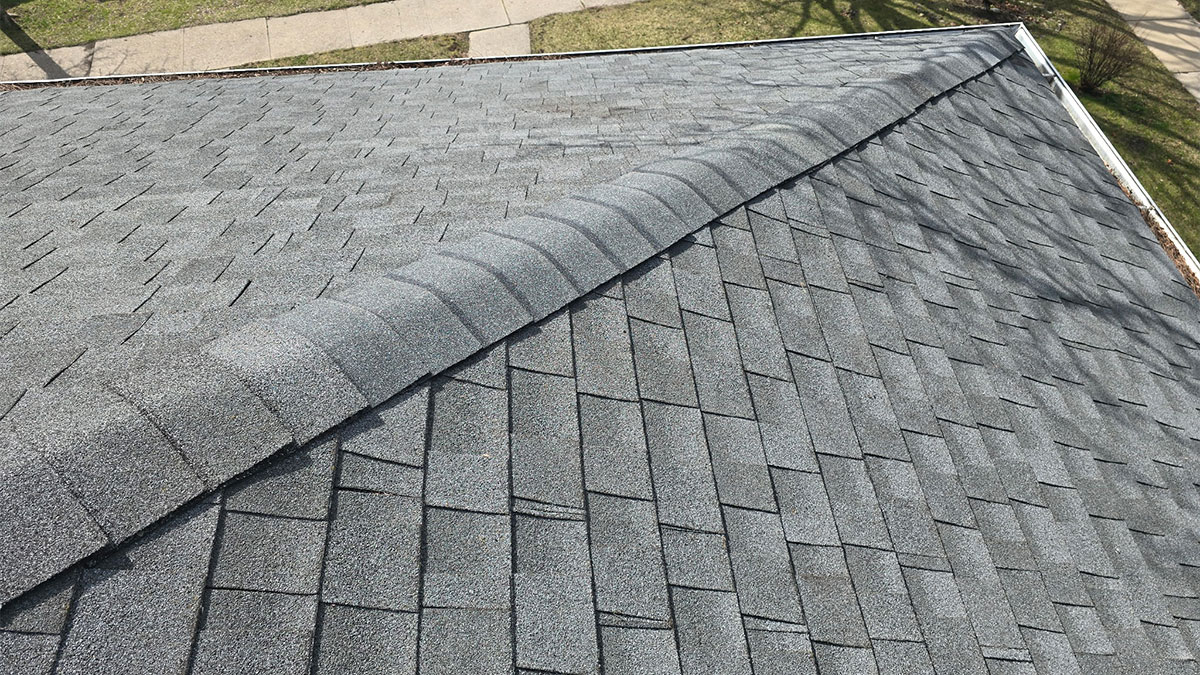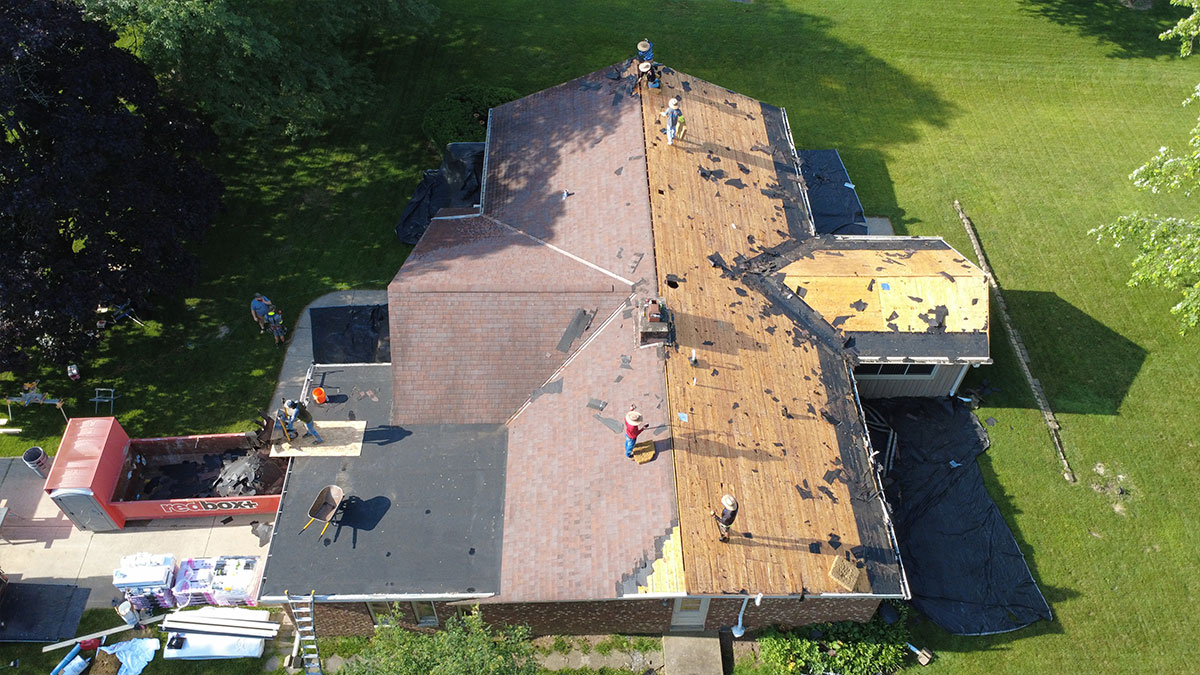
Your roof protects your home from rain, wind, snow, heat, and other outdoor conditions. Like…
How to Know When Your House Needs a New Roof – A Homeowner’s Checklist
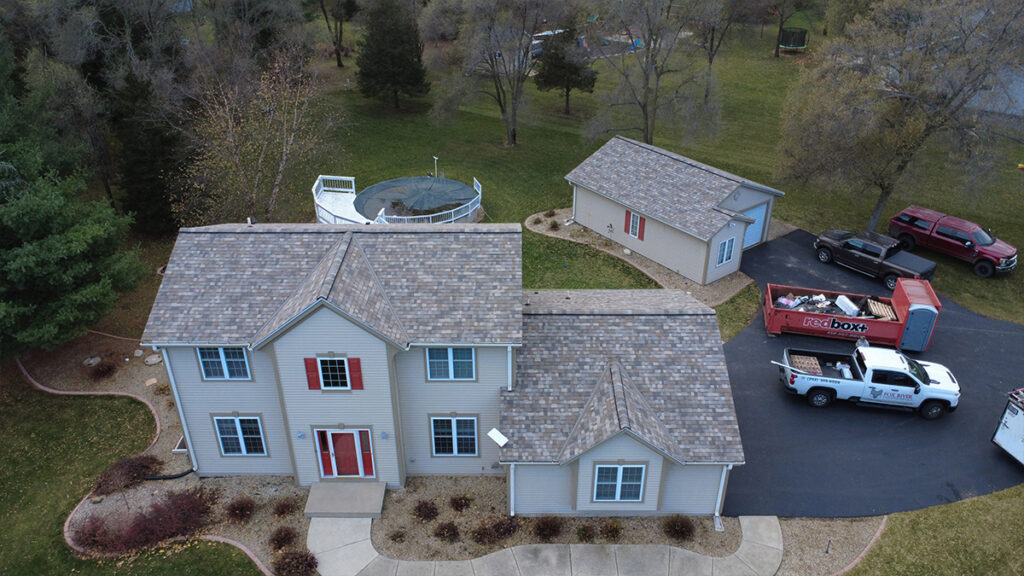 Your roof is one of the most critical components of your home, protecting your family, possessions, and the structural integrity of your property. For homeowners, knowing when it’s time to replace is vital. A roof in poor condition can lead to leaks, mold growth, insulation issues, and costly structural repairs.
This guide covers how to tell if your roof needs replacing in Wisconsin, providing an extensive inspection checklist, a detailed discussion on roofing materials, and practical tips for homeowners. Whether you are planning a future replacement or want to avoid unexpected problems, this guide will help you make informed decisions.
Why Roof Maintenance Is Crucial in Wisconsin
Wisconsin’s climate poses unique challenges to roofs. Hot summers, heavy snowfall, freezing winters, and occasional storms all impact roofing materials differently. Fox River Home Improvements helps homeowners understand these effects, anticipate wear and tear, and take proactive steps to protect and maintain their roofs year-round.
Weather Challenges for Roofs
- Freeze-thaw cycles: Moisture can seep into small cracks in shingles, freeze, and expand, causing cracks or loose shingles.
- Snow accumulation: Snow adds weight and can lead to roof sagging or structural stress. Ice dams at the roof edges can also damage shingles and gutters.
- Wind and hail: Storms can strip shingles, dent metal roofing, and compromise the integrity of flashing.
- Rain and moisture: Standing water or poor drainage can cause leaks and accelerate the aging of roofing materials.
Regular maintenance and inspection help mitigate these risks. Homeowners who neglect roof care often face major repairs that could have been prevented.
Key Signs That Your Roof Needs Replacement
Identifying early warning signs allows you to address problems before they become severe.
1. Age of the Roof
Most asphalt shingle roofs last 20–25 years. Architectural or lifetime shingles can last 30–50 years, while metal roofing can reach 40–70 years. If your roof is near its expected lifespan, begin preparing for replacement. Even without visible damage, aging shingles lose effectiveness over time.
2. Missing or Damaged Shingles
Wind, hail, and storms can remove shingles or cause them to curl, crack, or break. Shingle damage exposes the underlayment and roof decking to water infiltration, which can lead to leaks and rot.
Tip: Check both the roof surface and gutters for shingle debris, which indicates wear.
3. Granule Loss
Granules protect shingles from UV rays and provide durability. When shingles shed granules, they appear rough, thin, or uneven. Granules may accumulate in gutters, downspouts, or around the roof perimeter. Excessive loss signals that the shingles are deteriorating.
4. Leaks and Water Damage
Water stains on ceilings, walls, or attics are signs of a compromised roof. Leaks can lead to mold growth, insulation damage, and structural deterioration. Immediate inspection and repair are essential to prevent further issues.
5. Damaged Flashing
Flashing seals roof joints, including chimneys, vents, and skylights. Rusted, cracked, or loose flashing allows water penetration, causing leaks and interior damage. Regular inspection ensures flashing remains intact.
6. Sagging or Uneven Rooflines
A sagging roofline can indicate underlying structural issues such as weakened decking or trusses. Early detection by a professional prevents dangerous collapses and ensures the roof remains safe.
7. Storm Damage
After hail or windstorms, inspect for:
- Broken or missing shingles
- Dents or punctures in metal roofing
- Damaged gutters and downspouts
Even minor storm damage can reduce the roof’s ability to shed water, potentially requiring repair or replacement.
Detailed Roof Inspection Checklist for Homeowners
A systematic inspection helps identify problems early. Follow this comprehensive checklist:
Exterior Inspection
- Examine shingles for curling, cracking, or missing pieces.
- Look for granule loss or discoloration.
- Check flashing, vents, chimneys, and skylights for damage.
- Inspect gutters for debris or signs of wear.
- Assess roof valleys for sagging or water pooling.
Interior Inspection
- Inspect the attic for water stains, mold, or rot.
- Look for daylight through roof boards, indicating gaps.
- Check insulation for water damage or unusual damp spots.
Professional Assessment
Hiring a licensed roofer is recommended every 2–3 years or after significant weather events. Professionals use specialized tools to inspect hard-to-see areas and can provide a detailed report.
Roofing Materials and Their Lifespan
Selecting the right roofing material impacts durability, appearance, and cost. Standard options in Wisconsin include:
1. Asphalt Shingles
- Lifespan: 20–25 years
- Pros: Affordable, easy to install, widely available
- Cons: Susceptible to curling and granule loss
2. Architectural or Lifetime Shingles
- Lifespan: 30–50 years
- Pros: Enhanced durability, variety of colors, resistant to wind damage
- Cons: Higher cost
3. Metal Roofing
- Lifespan: 40–70 years
- Pros: Lightweight, durable, energy-efficient
- Cons: Noisy during rain, higher upfront cost
4. Tile or Slate
- Lifespan: 50–100 years
- Pros: Long-lasting, fire-resistant, premium aesthetic
- Cons: Expensive, heavy, requires structural support
Choosing a material suited to Wisconsin’s weather conditions ensures a longer lifespan and reduced maintenance.
Signs You Should Call a Professional Roofer
Even minor roof problems can escalate. Homeowners should seek professional assistance if they notice:
- Multiple damaged or missing shingles
- Persistent leaks or water stains
- Sagging or uneven roof sections
- Ice dams or water pooling
Licensed roofers provide accurate assessments, replacement cost estimates, and ensure all work meets local codes.
Preventive Maintenance Tips
- Clean gutters regularly to prevent water backup
- Remove snow and ice to prevent ice dams
- Inspect attic insulation and ventilation to reduce moisture
- Repair minor damage promptly to avoid extensive repairs
Routine maintenance prolongs roof life and prevents unexpected issues.
Conclusion
For homeowners in Mukwonago, Waukesha, and the Fox River area, knowing roof replacement signs is crucial for protecting property and maintaining value. By inspecting shingles, assessing leaks, understanding material lifespans, and consulting professionals, you can prevent costly repairs and ensure a safe, durable roof. Planning ensures your home remains comfortable, secure, and visually appealing.
Frequently asked questions
1. How often should I inspect my roof in Wisconsin?
Twice a year, in spring and fall, plus after major storms, to detect damage early.
2. How long does a roof replacement take?
Most replacements take 1–3 weeks, depending on size, material, and complexity.
3. Can I replace shingles myself?
Minor shingle repairs are possible, but complete replacement requires professional installation for safety and code compliance.
4. How much does a roof replacement cost?
Costs vary by material and size. Asphalt shingle replacement ranges $9,000–$18,000, while premium materials can cost significantly more.
5. Does roof replacement increase home value?
Yes. A new roof improves curb appeal, structural integrity, and resale value, especially in areas with harsh weather like Wisconsin.
Related Posts