Worried about your roof project? Learn what happens if it rains during installation and how professionals protect your home from water damage. Contact us...
What Factors Affect The Price Of A New Roof?
 Investing in a new roof is one of the most significant financial decisions a homeowner can make. Therefore, understanding what factors affect the price of a new roof is crucial for budgeting and planning. The final quote you receive from a contractor is a complex calculation based on numerous variables, from the materials you choose to the unique architecture of your home. This guide will break down the primary cost drivers to give you a clearer picture of your potential investment.
Understanding What Factors Affect the Price of a New Roof in Detail
A roof replacement isn’t a one-size-fits-all project. Consequently, the price can vary dramatically from one house to the next, even within the same neighborhood. A comprehensive quote accounts for materials, labor, roof complexity, and several other important elements. Importantly, a lower initial price does not always mean a better value, as quality materials and expert installation are key to a long-lasting, protective roof. For example, a contractor might offer a lower bid by using substandard underlayment, which could lead to costly repairs down the line. For this reason, it’s essential to understand each line item in your estimate.
Key Roofing Materials and Their Cost Impact
The single largest variable in roofing cost is the material you select. Each option offers a different balance of price, durability, and aesthetic appeal. Furthermore, the quality within each material category can also influence the final cost.
Asphalt Shingles
Asphalt shingles are the most popular roofing material in North America, primarily due to their affordability and ease of installation. However, not all asphalt shingles are created equal. Basic 3-tab shingles are the most budget-friendly, while architectural or dimensional shingles offer greater durability and a more textured look at a higher price point. As a result, your choice here can significantly alter the total cost.
Metal Roofing
Once reserved for commercial buildings, metal roofing (like steel or aluminum) has become a popular residential choice. While the upfront cost is considerably higher than asphalt, metal roofs can last 50 years or more, often twice as long as their shingle counterparts. Additionally, they offer excellent energy efficiency. Homeowners must weigh the higher initial investment against the long-term savings and durability.
Premium Materials: Slate, Wood, and Tile
For those seeking a specific aesthetic, premium materials like slate, wood shakes, or clay tiles offer unparalleled beauty. These options, however, come with the highest price tags for both materials and installation. Specifically, their weight often requires structural reinforcement, and the specialized labor needed for installation adds to the overall expense. These are lifetime roofs, but the initial outlay is substantial.
How Do Roof Size and Complexity Influence Price?
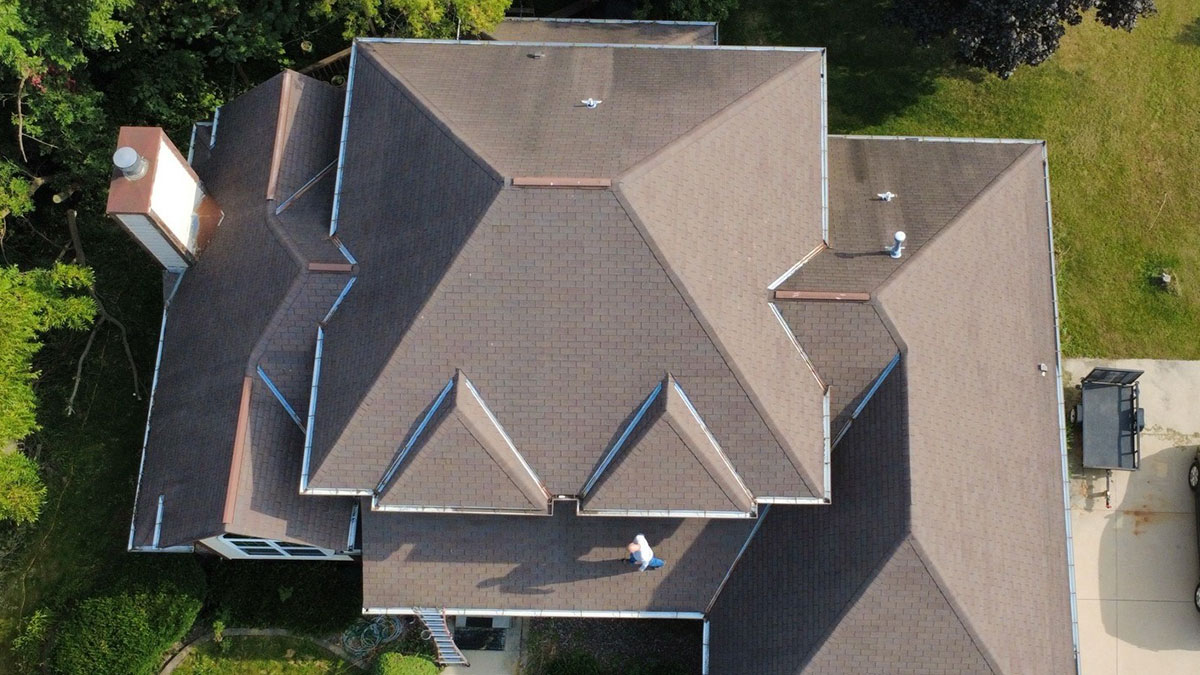
Beyond materials, the physical characteristics of your roof play a massive role in determining the cost. A simple, single-plane roof is far less expensive to replace than a complex one with multiple features. Contractors often measure and price roofs by the ‘square’ (a 10×10 foot area), so a larger roof naturally costs more. However, complexity is an equally important factor.
- Pitch: The steepness of your roof, known as its pitch, directly affects labor costs. A very steep roof is more dangerous and difficult to work on, requiring extra safety equipment and more time. Consequently, labor charges will be higher.
- Complexity: Features like valleys, hips, dormers, skylights, and chimneys add complexity to a roofing job. Each of these requires precise cutting, sealing, and flashing to prevent leaks, which increases both the time and skill required for the installation.
- Accessibility: If your home is difficult to access with equipment and trucks, it can also add to the labor cost.
Considering these elements helps explain why a neighbor’s seemingly similar roofing project might have a very different price tag. When you are deciding between a full replacement and a simple repair, these complexity factors are critical to consider.
Labor, Permits, and Other Essential Costs
The cost of skilled labor is a significant portion of any roofing estimate, typically accounting for 40-60% of the total price. This cost covers not just the installation crew but also project management, insurance, and the contractor’s expertise. Another key consideration is the removal and disposal of the old roofing material, which is a labor-intensive process. Moreover, most municipalities require building permits for a roof replacement to ensure the work complies with local building codes, like those outlined by the National Roofing Contractors Association. Finally, the warranty offered by the contractor is a valuable, albeit sometimes hidden, part of the cost. A strong warranty from a reputable company provides peace of mind and protection for your investment. When you are ready, choosing a reliable home improvement contractor is the most important step.
Key Takeaways: Budgeting for Your New Roof
In summary, the final price of a new roof is a mosaic of interconnected costs. The primary drivers are the roofing materials, the total square footage, and the architectural complexity. Additionally, labor rates, permit fees, and the cost of removing the old roof are all critical components of the final bill. By understanding what factors affect the price of a new roof, you can have a more informed conversation with your contractor, compare bids more effectively, and make a confident decision that protects your home for decades to come. For more specific information, you can research various roofing materials from top manufacturers or explore articles on local roof replacement costs to get a better sense of your budget. Contact a professional for a detailed inspection and quote tailored to your specific needs.
Related Posts