A chimney plays an important role in safely directing smoke, gases, and combustion byproducts away…
What Happens If I Don’t Clean My Chimney?
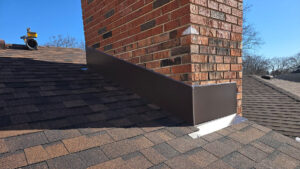 Many homeowners wonder, what happens if I don’t clean my chimney? The answer involves serious risks that endanger not only your property but also your family’s safety. Forgoing this essential maintenance allows for the accumulation of flammable materials and blockages, leading directly to chimney fires, toxic gas exposure, and significant structural damage. Therefore, understanding these consequences is the first step toward responsible homeownership.
The #1 Danger: Creosote Buildup and Chimney Fires
The most immediate threat from a dirty chimney is the buildup of creosote. When you burn wood, the smoke contains unburned particles that condense on the cooler surfaces of your chimney flue. Consequently, this process forms a dark, tar-like, and highly flammable substance known as creosote. Importantly, this substance is the leading cause of chimney fires.
Creosote accumulation occurs in three stages, each more dangerous than the last. Initially, it appears as a fine, dusty soot. As more layers build up, it becomes a crunchy, flaky deposit. Finally, in its most hazardous form, creosote turns into a concentrated, glazed coating that is extremely difficult to remove and can ignite at high temperatures. According to the Chimney Safety Institute of America (CSIA), a chimney fire can reach temperatures of 2000°F, hot enough to crack masonry and spread flames to the rest of your home’s structure.
What Is Carbon Monoxide and Why Is It a Silent Killer?
Another severe risk is carbon monoxide (CO) poisoning. Your chimney is designed to safely vent the byproducts of combustion, including this dangerous gas, out of your home. However, when the flue is blocked by creosote, debris, or even animal nests, these gases have nowhere to go but back into your living space. This situation creates a life-threatening hazard.
Carbon monoxide is often called the ‘silent killer’ because it is colorless, odorless, and tasteless. As a result, you may not realize you are being exposed until it’s too late. The Centers for Disease Control and Prevention (CDC) warns that symptoms of CO poisoning include headache, dizziness, nausea, and confusion, which can easily be mistaken for the flu. In addition, prolonged exposure can lead to loss of consciousness and death. A clean, unobstructed chimney is your primary defense against this invisible threat.
The Critical Answer to: What happens if I don’t clean my chimney?
Beyond the immediate dangers of fire and carbon monoxide, neglecting your chimney leads to a cascade of other problems. The question of what happens if I don’t clean my chimney extends to the long-term health of your home. These issues can be costly and complex to resolve if left unaddressed.
- Structural Damage: The acidic nature of creosote and soot can eat away at the mortar joints and metal components of your chimney. This corrosion weakens the structure, leading to cracks and instability. Furthermore, a damaged chimney liner can allow extreme heat to reach combustible parts of your house.
- Reduced Efficiency: A clogged chimney cannot draft properly. This means your fireplace or stove won’t burn as efficiently, requiring more fuel to produce the same amount of heat and ultimately increasing your heating costs.
- Unpleasant Odors: Creosote buildup often creates a persistent, unpleasant smoky or acrid smell that can permeate your home, especially during humid weather.
- Pest Infestations: Chimneys provide an attractive shelter for birds, squirrels, and raccoons. These animals can build large nests that create a significant blockage, exacerbating the risk of fire and carbon monoxide intrusion.
How a Dirty Chimney Damages Your Home’s Structure
The structural integrity of your chimney is paramount. When creosote combines with moisture from rain or humidity, it forms acidic compounds that aggressively attack the masonry. This chemical reaction causes the mortar to decay and bricks to spall (flake or break apart). Over time, these small issues can compromise the entire chimney structure, potentially leading to a partial or complete collapse that requires expensive rebuilding.
How Often Should You Get Your Chimney Cleaned?
To prevent these dangers, regular maintenance is non-negotiable. The National Fire Protection Association (NFPA) Standard 211 states, “Chimneys, fireplaces, and vents shall be inspected at least once a year for soundness, freedom from deposits, and correct clearances.” This annual check is crucial for identifying any potential hazards before they become critical.
A professional chimney sweep will do more than just clean. They perform comprehensive chimney inspections to assess the overall condition of your system, from the firebox to the chimney cap. Understanding these risks underscores why the question ‘what happens if I don’t clean my chimney?’ is so vital for homeowner safety. Investing in a professional chimney cleaning service is a small price to pay for peace of mind.
Final Thoughts: Protecting Your Home and Family
In conclusion, the consequences of not cleaning your chimney are severe, ranging from destructive house fires and silent gas poisoning to costly structural decay and poor heating efficiency. Regular, professional maintenance is the only way to mitigate these risks effectively and ensure your fireplace can be enjoyed safely. By taking proactive steps, you are not just maintaining a part of your house; you are protecting your most valuable assets: your home and your family.
Now you have a clear answer to what happens if I don’t clean my chimney and the steps to prevent these dangers. Don’t wait for a warning sign. For homeowners looking to ensure total property safety, it’s often wise to consider combining roofing and chimney services for a complete inspection. Schedule your annual chimney inspection and cleaning today to ensure a safe and warm season ahead.
Related Posts