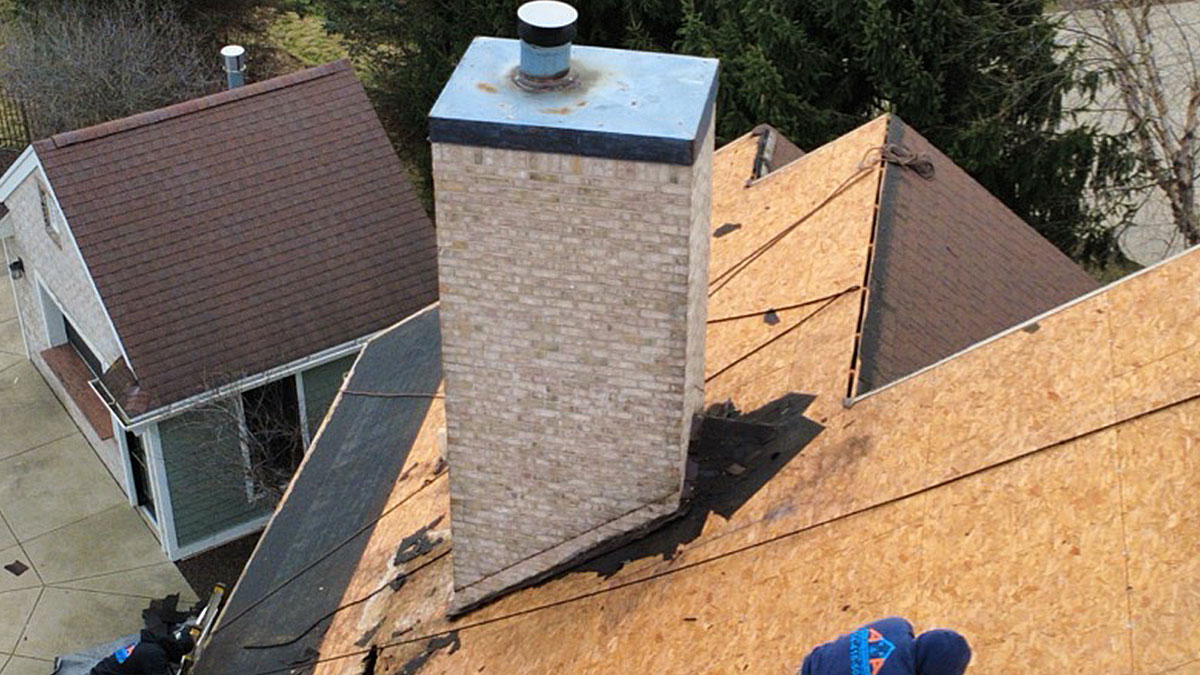
Wondering how much does chimney removal cost? This guide breaks down prices for partial vs. full removal, key factors, and hidden expenses. Get a clear e...
When Is Chimney Removal the Right Choice?
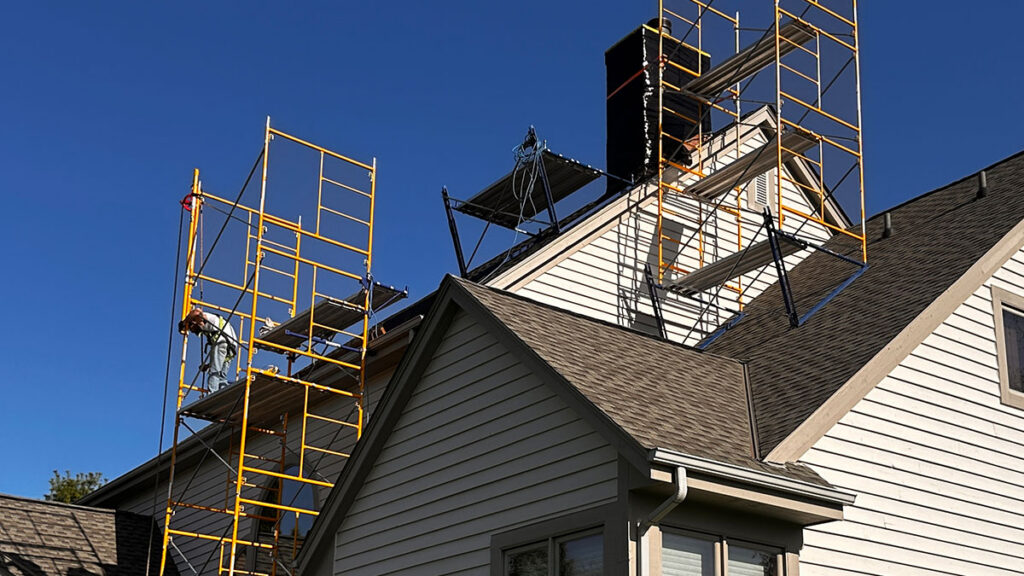 A chimney can be an important part of a home’s heating and ventilation system, but not every chimney needs to remain in place forever. Older properties may have chimneys that are no longer connected to a fireplace or heating appliance, while others may have deteriorated to the point where continued repairs are difficult to justify.
For property owners considering chimney removal, the decision should not be based solely on appearance. A chimney is connected to the structure of a building, and removing it can involve structural, roofing, masonry, and safety considerations.
Understanding when removal makes sense can help property owners compare the costs and benefits of repairing, rebuilding, or completely removing an old chimney.
What Is Chimney Removal?
Chimney removal involves dismantling and removing some or all of a chimney structure from a property. The scope of the work can vary significantly. In some situations, only the portion of the chimney above the roof is removed. In other cases, the chimney may be dismantled through the attic and upper floors. Complete removal may involve taking out the chimney down to its foundation or removing the associated fireplace structure as well.
The appropriate approach depends on the chimney’s construction, condition, location, connection to the building, and intended future use. Because chimneys can form part of the structural system of a building, professional assessment is important before demolition begins.
When Should You Consider Chimney Removal?
There is no single situation in which chimney removal is always the correct choice. However, several circumstances may make removal worth considering. An unused chimney that no longer serves a practical purpose is one common example. If a property owner has converted to a modern heating system and the chimney is no longer required, maintaining an aging masonry structure may become an unnecessary expense.
A chimney that requires extensive repairs may also prompt owners to compare repair costs with removal. Structural deterioration, persistent water intrusion, difficult maintenance, or major changes to a property can all influence the decision.
Removing an Old Chimney That Is No Longer Used
One of the most straightforward reasons for removing an old chimney is that it is no longer needed. Older homes often contain chimneys that were originally designed for fireplaces, wood-burning stoves, furnaces, or other heating equipment. If those systems have been removed or replaced, the chimney may no longer have a functional purpose.
An unused chimney still requires maintenance. Masonry can deteriorate, flashing can fail, and water can enter around the chimney opening or through damaged components. Before removing an unused chimney, however, property owners should confirm that it is genuinely disconnected from any active appliance or ventilation system.
Structural Deterioration
Structural problems can be another reason to consider removal. Bricks and mortar can deteriorate over time because of moisture, freeze-thaw cycles, temperature changes, and general age. Cracked masonry, loose bricks, leaning sections, or significant deterioration may indicate that the chimney requires professional attention.
A severely deteriorated chimney can become increasingly expensive to repair. Depending on the condition, a professional may recommend rebuilding part of the chimney, repairing it, stabilizing it, or removing it entirely. At Fox River Home Improvements, we recommend a thorough inspection of the chimney and its relationship to the surrounding structure to help determine the most appropriate solution.
When Repairs Become Too Expensive
Repairing a chimney can sometimes be the most practical option, especially when the damage is localized. However, extensive deterioration can make repairs increasingly costly. If the chimney requires substantial masonry work, rebuilding, new flashing, waterproofing, or structural reinforcement, the total expense may approach or exceed the value of maintaining an unused chimney.
Property owners should compare the expected cost of repairs with the cost of removal. This does not necessarily mean choosing the cheapest option. A more expensive repair may be worthwhile if the chimney is functional and contributes to the property’s value. On the other hand, removal may make more sense when the chimney is unused and requires continuing maintenance.
Water Damage and Repeated Chimney Leaks
Chimneys are common areas for water intrusion because they penetrate the roof. Damaged flashing, deteriorated mortar, cracked chimney caps, porous masonry, and damaged crowns can all contribute to moisture problems. If an old chimney repeatedly causes leaks despite repair attempts, removal may become an option worth discussing.
However, removing the chimney is not automatically the solution to every roof leak. The source of water intrusion should first be identified accurately. A professional assessment can determine whether the problem can be corrected through flashing repair, masonry work, waterproofing, chimney cap replacement, or another solution.
When Chimney Demolition May Be Appropriate
Chimney demolition involves carefully dismantling the chimney rather than simply knocking it down. This distinction is important because chimneys are often connected to roofs, walls, floors, fireplaces, and other building components. Controlled dismantling allows the contractor to assess the structure as work progresses and reduce the risk of unnecessary damage to the property.
The demolition method depends on the chimney’s size, material, location, accessibility, and relationship to the rest of the building. A chimney should never be demolished without considering what supports or connections may be affected.
Partial Chimney Removal Versus Complete Removal
Property owners may not always need complete chimney removal. A chimney that is no longer needed above the roof may sometimes be partially removed while the remaining structure is retained inside the building.
In other situations, leaving the internal chimney in place may not be practical because it occupies valuable space or remains vulnerable to deterioration. The decision between partial and complete removal depends on the building’s construction and the owner’s goals. A professional should determine how the chimney is supported and what structural changes will be required before recommending either approach.
What Happens to the Roof After Chimney Removal?
Removing a chimney creates an opening or altered area in the roof that must be properly addressed. The roofing contractor or chimney professional may need to remove surrounding materials, repair the roof structure, install appropriate sheathing, replace underlayment, and match the existing roofing materials as closely as practical.
Flashing and waterproofing must also be addressed. Simply removing the chimney without properly restoring the roof can create a new source of water intrusion. For this reason, roof restoration should be considered part of the overall chimney removal project rather than an afterthought.
How Chimney Removal Can Create More Interior Space
An unused chimney can occupy considerable space inside an older home. Depending on the building layout, removing the chimney may create additional space in rooms, closets, attics, or other areas.
This can be particularly valuable during a renovation. However, the amount of usable space created depends on how the chimney was constructed and which portions can safely be removed. Property owners should consider both the potential space savings and the cost of restoring walls, floors, ceilings, and other surfaces after the chimney is removed.
Chimney Removal During a Home Renovation
Major renovations can provide a practical opportunity to evaluate an unused chimney. If walls, ceilings, flooring, or roofing are already being modified, coordinating chimney work with the renovation may reduce the need to disturb finished areas later.
For example, removing an old chimney may make sense when converting an outdated heating system, remodeling a room, renovating an attic, or changing the layout of a property. The timing should be discussed with the professionals managing the broader renovation so that structural and building requirements are considered together.
Choosing a Professional for Chimney Removal
Because chimney removal can involve masonry, roofing, structural considerations, and debris management, choosing an experienced contractor is important. Ask whether the contractor has experience with chimney demolition and whether they assess the structure before beginning work.
It is also useful to ask how the contractor will protect the roof and surrounding property, restore the roof after removal, manage debris, and address any structural concerns. A detailed project plan can help prevent misunderstandings about what is included in the work.
Final Thoughts
Chimney removal can be the right choice when an old chimney is no longer needed, has extensive deterioration, requires costly ongoing repairs, creates recurring maintenance problems, or is being removed as part of a larger renovation.
However, removing a chimney is not simply a matter of taking down bricks. The chimney may interact with the roof, walls, floors, and other structural components of the property. Before removing an old chimney, property owners should have the structure evaluated and compare removal with repair, rebuilding, or other alternatives.
When removal is appropriate, careful chimney demolition and proper restoration of the affected roof and interior areas are essential for protecting the property and achieving a durable result. Contact us today to discuss chimney removal, roof restoration, and the steps needed to protect your property and achieve a durable result.
Frequently Asked Questions
Is chimney removal a good idea if the chimney is no longer used?
It can be. An unused chimney still requires maintenance and may develop masonry, flashing, or moisture problems. However, its condition and connection to the building should be evaluated before deciding to remove it.
How do I know if my old chimney should be removed or repaired?
Consider the chimney’s current condition, whether it is still used, the cost of necessary repairs, future maintenance requirements, and whether removal would provide a practical benefit. A professional inspection can help compare the available options.
Is chimney demolition safe?
Professional chimney demolition involves controlled dismantling and careful consideration of the chimney’s relationship with the roof and building structure. It should not be approached as an uncontrolled demolition project.
Can I remove only the part of the chimney above the roof?
In some situations, partial removal may be possible. The appropriate approach depends on the chimney’s construction, structural support, and whether the remaining portion can safely be retained.
What happens to the roof after chimney removal?
The area where the chimney was located must be properly restored. This may involve repairing the roof structure, installing replacement roofing materials, and ensuring the area is properly sealed against water.
Related Posts