Wondering 'how do I know how many flues my chimney has?' This guide covers simple ways to check, from counting pots to professional inspections. Contact us!
Chimney Repair vs Removal: Which Option Is Right for Your Home
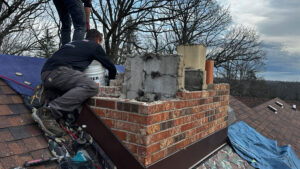 A damaged chimney can quickly become a major concern for homeowners. What may begin as a small crack or minor leak can eventually lead to structural instability, water intrusion, masonry deterioration, and costly repairs. When significant chimney problems arise, many homeowners face a difficult decision: should the chimney be repaired or removed entirely?
The answer depends on several factors, including the severity of the damage, the age of the chimney, whether the fireplace is still in use, and the long-term goals for the property. While repairs can often restore a chimney’s functionality and appearance, there are situations where chimney removal services provide a safer and more cost-effective solution.
Understanding the advantages and limitations of both options can help homeowners make an informed decision that protects their property and maximizes long-term value.
Understanding Common Chimney Problems
Chimneys are exposed to weather conditions year-round. Rain, wind, temperature fluctuations, and moisture can gradually weaken masonry materials and create structural issues over time.
Some of the most common chimney problems include cracked bricks, deteriorating mortar joints, leaning chimney stacks, damaged flashing, and water penetration. In some cases, the damage remains cosmetic. In others, the structural integrity of the chimney may be compromised.
The extent of the damage often determines whether repair or removal is the most practical solution.
When Chimney Repair Makes Sense
For many homeowners, chimney repair is the preferred option because it preserves the functionality and appearance of the existing fireplace system.
Repairs are often appropriate when the damage is limited to specific areas of the chimney. For example, replacing damaged mortar, repairing flashing, sealing cracks, or rebuilding a small section of masonry can restore performance without requiring complete removal.
If the fireplace remains an important feature of the home, repairing the chimney may provide the best balance between cost and long-term value.
Professional inspections help identify whether the structure remains stable enough for repair.
Signs That Chimney Repair May Be Sufficient
Not every damaged chimney requires demolition. In many situations, repairs can effectively address problems before they become severe.
Minor masonry deterioration, isolated water leaks, damaged chimney caps, and localized mortar joint failures are examples of issues that can often be repaired successfully.
When structural damage is limited and the chimney continues to serve an active purpose, repairs may extend its lifespan for many years.
Early intervention is often the key to avoiding more extensive restoration work later.
When Chimney Removal Services Become Necessary
There are situations where repairing a chimney no longer makes financial or structural sense.
If the chimney has experienced extensive deterioration, severe leaning, widespread masonry failure, or recurring water damage despite previous repairs, removal may be the better option.
Homeowners who no longer use their fireplace may also find that maintaining an aging chimney creates unnecessary expenses.
In these cases, chimney removal services can eliminate safety risks, reduce maintenance costs, and prevent future structural issues.
A professional evaluation is essential to determine whether the chimney has reached the point where removal offers greater long-term benefits than repair.
Structural Damage and Safety Concerns
Structural damage is often the most important factor when deciding between repair and removal.
A chimney that is visibly leaning, separating from the home, or showing signs of significant instability may pose a serious safety hazard. Falling bricks and collapsing masonry can damage roofing systems, vehicles, landscaping, and nearby structures.
In severe cases, structural failure can threaten portions of the home’s framing and support systems. When safety becomes a concern, chimney removal services may provide the safest and most permanent solution.
Evaluating Long-Term Costs
Many homeowners focus on the immediate cost of repairs versus removal. However, long-term expenses should also be considered.
Repeated repairs can become costly if the chimney continues to deteriorate. Water intrusion, masonry damage, and recurring leaks often lead to ongoing maintenance expenses that accumulate over time.
A complete removal may require a larger upfront investment, but it can eliminate future repair obligations and provide lasting peace of mind.
Comparing long-term ownership costs often helps clarify the most practical choice.
The Relationship Between Chimneys and Roofing Systems
Many chimney issues directly affect the roof.
Damaged flashing, deteriorated masonry, and water penetration around the chimney frequently contribute to roofing problems. Homeowners experiencing roof leaks near the chimney should consider both the condition of the chimney and the surrounding roofing materials.
In some cases, roof repair services can resolve water intrusion issues when the chimney itself remains structurally sound.
However, if chimney deterioration is causing recurring roofing problems, removal may be the more effective long-term solution.
Addressing both systems together often produces the best results.
Chimney Rebuilding as a Middle Ground
For homeowners who wish to preserve a functional fireplace, rebuilding may offer an alternative to complete removal.
A chimney rebuild involves reconstructing part or all of the chimney while maintaining its intended purpose. This option is often recommended when damage is too extensive for minor repairs but the chimney remains valuable to the home.
Rebuilding can restore structural integrity, improve safety, and extend the lifespan of the system.
While rebuilding typically costs more than basic repairs, it may be preferable to removal when the fireplace remains an important feature.
Impact on Home Value
Both chimney repairs and chimney removal services can positively affect property value when they address significant concerns.
Buyers are often cautious about homes with visible structural issues or unresolved maintenance problems. A damaged chimney may raise concerns about safety, water intrusion, and future repair expenses.
Addressing these issues before listing a home can improve buyer confidence and strengthen market appeal.
Whether through repair, rebuilding, or removal, resolving chimney problems demonstrates responsible property maintenance.
How Roof Repair Services Support Chimney Projects
Roofing and chimney systems often work together, which is why roof repair services frequently play a role in chimney-related projects.
After chimney repairs, rebuilding, or removal, roofing materials may need restoration to ensure weather protection and proper drainage.
Professional roof repair services can address damaged flashing, replace affected shingles, and restore areas impacted during construction.
Coordinating chimney and roofing work helps ensure a comprehensive solution while reducing the risk of future leaks.
Questions to Ask Before Making a Decision
Before choosing between repair and removal, homeowners should carefully evaluate several factors.
Consider whether the fireplace is still being used, how severe the damage has become, and whether previous repairs have successfully resolved ongoing issues.
It is also important to understand how the chimney affects other areas of the home, including the roofing system and structural components.
A thorough professional assessment provides valuable information that supports confident decision-making.
Choosing the Right Contractor
Whether pursuing repairs, rebuilding, or chimney removal services, selecting a qualified contractor is essential.
Experienced professionals can evaluate structural conditions, identify hidden problems, and recommend the most appropriate course of action.
Look for contractors with expertise in masonry restoration, chimney construction, structural repair, and roof repair services.
Working with knowledgeable professionals helps ensure that repairs or removal are completed safely and according to industry standards.
Final Thoughts
Deciding between chimney repair and chimney removal services requires careful consideration of safety, functionality, cost, and long-term property goals. While many chimney problems can be addressed through repairs or rebuilding, severe structural deterioration and recurring maintenance concerns may make removal the better option.
Homeowners should evaluate the condition of the chimney, the value it provides, and the potential impact on surrounding systems such as the roof. In many cases, combining professional chimney assessments with roof repair services provides the clearest picture of the home’s overall condition.
By understanding the benefits and limitations of each option, homeowners can make informed decisions that improve safety, protect their investment, and support the long-term health of their property. At Fox River Home Improvements, we help homeowners make confident decisions that enhance both the value and durability of their homes.
FAQ
How do I know if my chimney should be repaired or removed?
A professional inspection can determine whether the damage is repairable or if removal is the safer and more cost-effective solution.
What types of chimney damage can be repaired?
Minor cracks, damaged mortar joints, flashing issues, and localized masonry deterioration can often be repaired successfully.
When are chimney removal services recommended?
Removal is often recommended for severely damaged, unstable, unused, or repeatedly problematic chimneys.
Is chimney rebuilding different from chimney repair?
Yes. Repairs address specific issues, while rebuilding involves reconstructing significant portions of the chimney structure.
Can chimney problems cause roof leaks?
Yes. Damaged flashing, cracked masonry, and water penetration around the chimney are common causes of roof leaks.
Related Posts