A chimney plays an important role in safely directing smoke, gases, and combustion byproducts away…
How Often Should I Get My Chimney Swept?
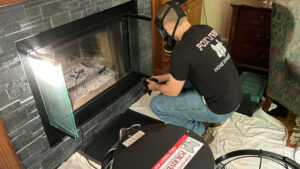 For homeowners with a fireplace or wood stove, the question of how often should I get my chimney swept? is not just about routine maintenance—it is fundamentally about safety. A clean chimney is your first line of defense against devastating house fires and dangerous carbon monoxide intrusion. Therefore, understanding the recommended frequency for chimney sweeping is a critical responsibility. This guide provides clear answers based on national safety standards and expert advice.
The Official Recommendation: Annual Inspections and Sweeping
The National Fire Protection Association (NFPA) sets the standard for home safety in the United States. Specifically, NFPA 211, the Standard for Chimneys, Fireplaces, Vents, and Solid Fuel-Burning Appliances, states that chimneys, fireplaces, and vents shall be inspected at least once a year. Consequently, this annual inspection determines if a cleaning is necessary. For most active fireplaces, this results in an annual sweep.
The primary reason for this recommendation is to remove creosote, a highly flammable byproduct of burning wood. As smoke travels up your chimney, it cools and deposits this tar-like substance on the flue walls. Over time, this buildup can ignite, causing a chimney fire that can quickly spread to the rest of your home. As a result, an annual sweep is the most effective preventative measure. For more information on fire safety, the NFPA provides extensive resources for homeowners.
Why is Asking “How Often Should I Get My Chimney Swept?” So Important?
Beyond the general recommendation, understanding the risks associated with a dirty chimney underscores the importance of regular maintenance. Procrastinating on a chimney sweep can have serious consequences for your property and your family’s health. Importantly, these risks are almost entirely preventable with routine care.
First, fire prevention is the most critical factor. Creosote is not just flammable; it can burn at extremely high temperatures, damaging the chimney structure and allowing fire to reach combustible materials in your walls and roof. Additionally, a blocked chimney can force toxic gases, including deadly carbon monoxide, back into your living space. Since this gas is odorless and colorless, it poses a silent but lethal threat. Furthermore, a clean chimney operates more efficiently, allowing for better airflow, which means your fires will be easier to start and will burn more effectively, producing more heat.
What Factors Influence Sweeping Frequency?
While annual service is the benchmark, certain factors can increase the need for more frequent cleanings. Your specific usage habits and equipment play a significant role in how quickly creosote accumulates. Therefore, you should consider the following variables.
Frequency of Use
The most obvious factor is how often you use your fireplace or stove. A homeowner who uses their fireplace as a primary heat source throughout the winter will require at least one annual cleaning, and sometimes more. In contrast, someone who only has a few fires per year for ambiance may find that less buildup occurs. However, an annual inspection is still essential to check for blockages from animal nests or structural issues.
Type of Wood Burned
The type and condition of the wood you burn have a major impact on creosote production. Burning unseasoned or “green” wood, which has a high moisture content, creates cooler, smokier fires that lead to rapid creosote buildup. Seasoned hardwood, which has been properly dried for at least 6-12 months, burns hotter and cleaner, producing significantly less creosote. For this reason, always use properly seasoned firewood.
Key Signs Your Chimney Needs Sweeping
Your chimney will often provide clues that it’s time for a cleaning. If you notice any of the following signs, you should schedule a professional inspection and sweep immediately, regardless of when it was last serviced. A professional can perform one of three levels of chimney inspections to diagnose any issues.
- Visible Creosote: You can see black, tarry, or flaky deposits on the damper or inside the flue.
- Poor Performance: Your fires are difficult to start, burn poorly, or you get smoke backing up into the room.
- Unpleasant Odors: A strong, acrid, or smoky smell comes from the fireplace, especially in humid weather. This is often caused by creosote deposits.
- Animal Nests: Birds and other animals often build nests in chimneys during the off-season, creating a dangerous blockage.
- Discolored Walls: Soot stains on the walls around the fireplace opening indicate a drafting problem that needs immediate attention.
The Professional Chimney Sweeping Process
A professional chimney sweep does more than just clean. The process begins with a thorough inspection to assess the condition of your chimney and flue. The technician will then lay down tarps and use specialized vacuums to ensure your home remains spotless. Using a series of rods and brushes, they will scrub the entire flue from top to bottom, removing all creosote and debris. This process is essential for overall chimney safety and maintenance.
Moreover, the inspection can reveal other issues, such as a damaged flue liner. A proper chimney liner installation is vital for safety and efficiency. A certified professional from a resource like the Chimney Safety Institute of America (CSIA) can provide a definitive answer to how often should I get my chimney swept? based on a direct assessment of your system.
Final Thoughts: Your Next Steps for a Safer Home
Ultimately, an annual chimney inspection and cleaning is a small investment that pays huge dividends in safety and peace of mind. It protects your home from fire, ensures your fireplace operates efficiently, and prevents exposure to harmful gases. Don’t wait for a problem to arise. Be proactive about your home’s safety by scheduling a professional chimney sweep every year. If you’re unsure about your chimney’s condition, it’s always best to have it checked by a certified expert.
Related Posts