Wondering 'how do I know how many flues my chimney has?' This guide covers simple ways to check, from counting pots to professional inspections. Contact us!
Does A Gas Fireplace Need To Be Swept And Inspected?
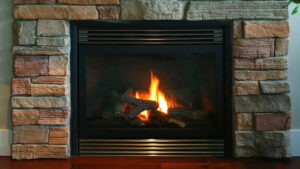 Many homeowners believe that gas fireplaces are a set-it-and-forget-it appliance, but the truth is quite different. So, to answer the critical question, does a gas fireplace need to be swept and inspected? Yes, it absolutely does. While they don’t produce the same creosote as wood-burning fireplaces, they still require annual professional maintenance to ensure they operate safely and efficiently. Furthermore, neglecting this essential service can lead to serious safety hazards and costly repairs down the line.
The Myth of the ‘Maintenance-Free’ Gas Fireplace
It’s a common misconception that because gas burns cleanly, the fireplace and chimney system require no attention. However, this overlooks several potential points of failure and danger. Over time, dust, pet hair, and other household debris can accumulate within the fireplace unit, potentially clogging burners or interfering with the pilot light assembly. Consequently, this can lead to inefficient operation or even a complete failure to ignite.
Additionally, the ventilation system is a critical component that needs checking. Birds, rodents, or insects can build nests within the vents, creating a dangerous blockage. This obstruction can cause toxic gases, including deadly carbon monoxide, to back up into your home. Therefore, even without soot, the ‘sweeping’ aspect of the service is about ensuring a clear and unobstructed path for exhaust fumes.
What Happens During a Gas Fireplace Inspection?
A professional gas fireplace service is a comprehensive process designed to verify safety and restore performance. When you schedule an inspection, a certified technician will perform a detailed check of the entire system. Importantly, this is not just a quick visual once-over; it’s a meticulous examination of all functional parts.
Specifically, a technician will typically cover the following points:
- Cleaning the Glass: Removing the sealed glass door to clean both sides, which can become hazy from mineral deposits and heat, impairing your view.
- Checking the Logs: Inspecting the ceramic logs for any cracks, deterioration, or incorrect placement that could interfere with the flame pattern and cause soot to develop.
- Inspecting the Burners and Pilot Assembly: Cleaning the burners of any debris or corrosion and ensuring the pilot light or electronic ignition system is functioning correctly for reliable and safe startups.
- Testing Safety Controls: Verifying that all safety features, such as the thermocouple or oxygen depletion sensor, are working as intended to shut the system down in a hazardous situation.
- Examining the Venting System: Ensuring the chimney or vent is clear of any blockages and that the terminal and cap are secure and in good condition This is a crucial step in preventing carbon monoxide hazards.
- Leak Detection: Testing all gas connections and valves to detect any potential gas leaks, which pose a significant fire and explosion risk.
Understanding Different Inspection Levels
For homeowners, it’s useful to know that professional services can vary. Much like traditional chimney services, there are different levels of chimney inspection that can be applied depending on the situation. A standard annual service is typically a Level 1 inspection, which covers all the visible and accessible parts of your fireplace system. As a result, it’s the most common and essential type of preventative maintenance.
The Definitive Answer: Does a Gas Fireplace Need to Be Swept and Inspected?
To put it plainly, the answer to does a gas fireplace need to be swept and inspected? is an unequivocal yes. The ‘sweeping’ refers to clearing the venting system of non-creosote blockages like nests and debris, while the ‘inspection’ is a vital safety and performance checkup. According to the National Fire Protection Association (NFPA), all chimneys, fireplaces, and vents should be inspected at least once a year. This recommendation, outlined in the NFPA 211 Standard, applies to gas appliances just as it does to wood-burning ones.
Moreover, many manufacturers make annual professional service a condition of their warranty. Neglecting this duty not only puts your home at risk but could also void your warranty, leaving you responsible for the full cost of any future repairs. This simple annual task is a small investment for significant peace of mind.
Final Thoughts: Prioritizing Your Family’s Safety
In conclusion, treating your gas fireplace as a maintenance-free appliance is a gamble you should not take. The potential risks of gas leaks, carbon monoxide poisoning, and inefficient operation are serious concerns that are easily mitigated with regular, professional attention. The question isn’t just ‘does a gas fireplace need to be swept and inspected?’, but rather ‘when was the last time I had my gas fireplace serviced?’
Ultimately, an annual inspection by a qualified technician ensures your fireplace provides warmth and ambiance safely and reliably. It protects your family, maintains your home’s value, and guarantees your appliance is running at peak efficiency. If you have more common chimney inspection questions or are due for your annual service, don’t hesitate to reach out to a certified professional. Schedule your inspection today to enjoy another season of cozy, worry-free fires.
Related Posts