Wondering 'how do I know how many flues my chimney has?' This guide covers simple ways to check, from counting pots to professional inspections. Contact us!
How Do I Know What Type Of Chimney I Have, Masonry Vs Prefab?
 Understanding your home’s components is key to effective maintenance, and the chimney is no exception. Many homeowners ask, how do I know what type of chimney I have, masonry vs prefab? The answer is crucial because each type has unique characteristics, maintenance needs, and repair methods. Consequently, identifying your chimney correctly ensures its safety, efficiency, and longevity. This guide will walk you through the defining features of both masonry and prefabricated chimneys so you can make informed decisions about your home’s care.
What is a Masonry Chimney?
A masonry chimney is the traditional, classic structure most people picture. These are built on-site, brick by brick or stone by stone, from the ground up. Furthermore, they are an integral part of the home’s structure, requiring a solid concrete footing to support their immense weight. The construction process is labor-intensive and requires skilled masons to ensure a durable and safe result.
Key Identifying Features of a Masonry Chimney
You can typically identify a masonry chimney by its exterior and interior components. For example, the most obvious sign is the material itself. Look for the following clues:
- Exterior Material: The structure is made entirely of brick, cinder blocks, or natural stone. The appearance is robust and permanent.
- Visible Mortar Joints: You will see the lines of mortar between the individual bricks or stones. These joints are a fundamental part of its construction.
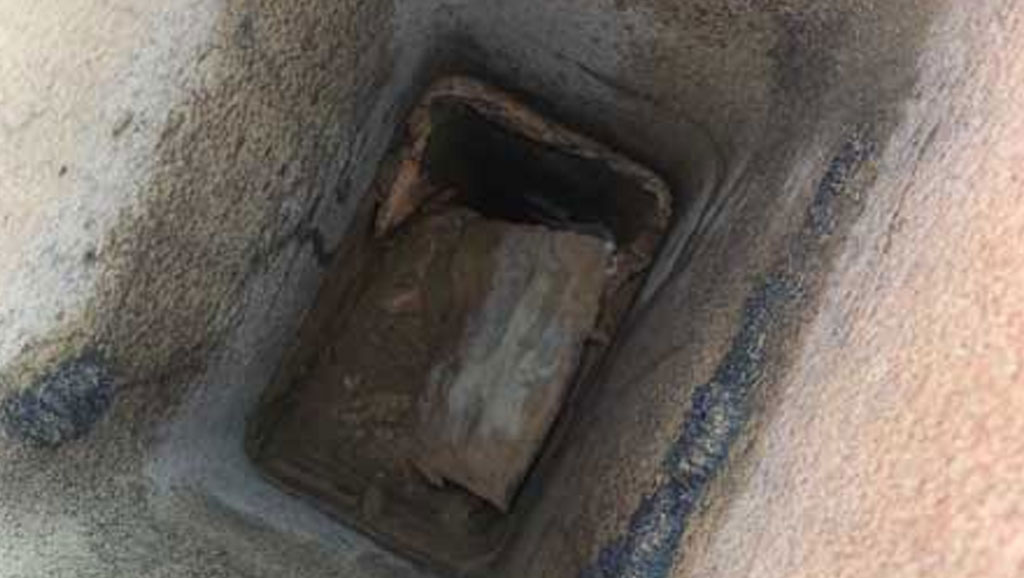
- Clay Flue Liner: If you look down from the top (with caution), you will often see square or rectangular clay tile liners. These orange or brownish liners are the channel for smoke and gases.
- Heavy Foundation: While not always visible, these chimneys require a substantial foundation in the basement or crawlspace to support their weight.
Additionally, masonry chimneys are known for their exceptional durability and long lifespan, often lasting for the entire life of the house if properly maintained. However, they are also more expensive to build and repair. For instance, addressing issues with a masonry structure often involves specialized work, as detailed in our guide on masonry chimney costs and rebuilding.
What is a Prefabricated (Prefab) Chimney?
In contrast, a prefabricated chimney, also known as a factory-built chimney, is a modern engineered system. These systems are manufactured in a factory and delivered to the home for installation. Importantly, they consist of a series of interlocking metal flue sections that are placed inside a wood-framed chase.
Key Identifying Features of a Prefab Chimney
Prefab chimneys are designed for quicker and more cost-effective installation. As a result, they have distinct features that set them apart from their masonry counterparts:
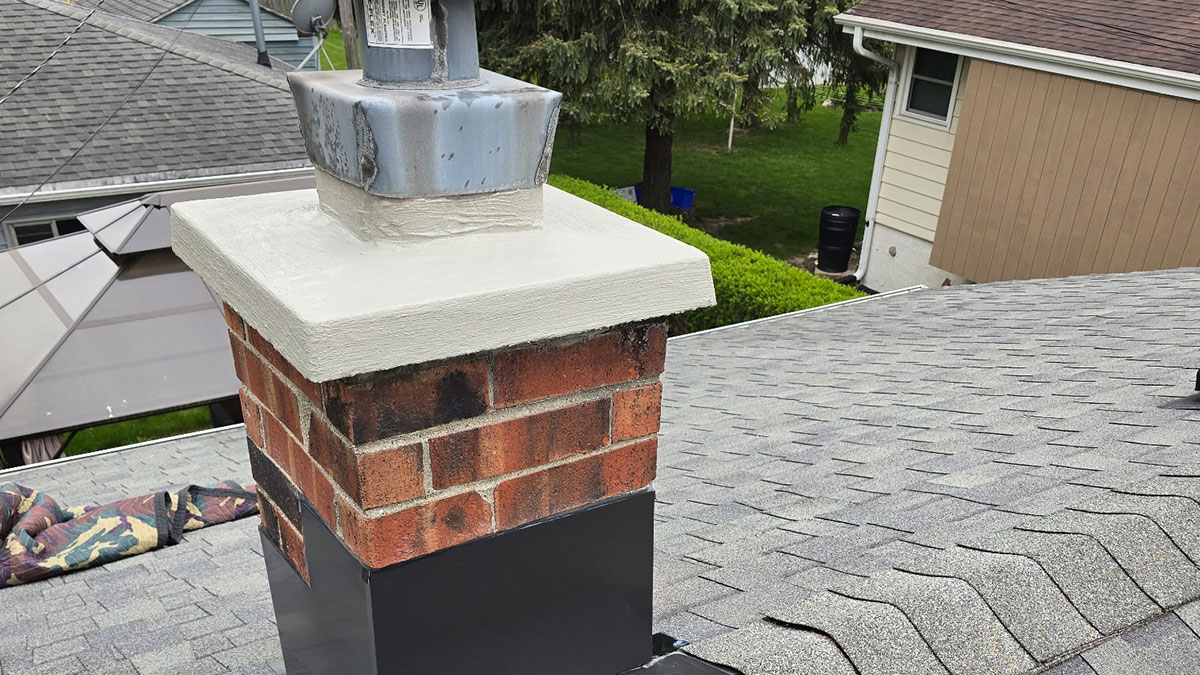
- Metal Components: The most telling feature is the metal construction. The flue pipe itself is round and made of stainless steel or other metals.
- Chase and Chase Cover: The exterior structure, or chase, is typically a wood frame covered with siding, stucco, or brick veneer to match the house. At the very top, you will find a metal chase cover that prevents water from entering the frame.
- Round Termination Cap: A prefab chimney is almost always topped with a round metal cap that includes a spark arrestor screen.
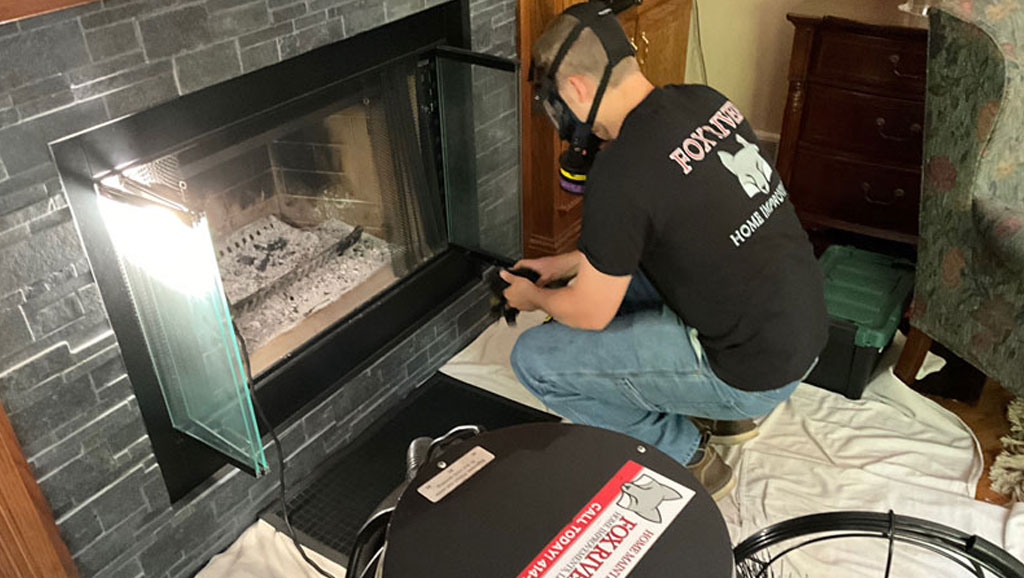
- Manufacturer’s Plate: Inside the house near the fireplace or appliance, there should be a metal plate with the manufacturer’s name and model information.
These systems are tested and listed for safety by organizations like Underwriters Laboratories (UL). Nevertheless, they have a shorter lifespan than masonry chimneys, typically 20-30 years, and components like the chase cover or cap may need replacement sooner.
Why Does My Chimney Type Matter?
So, why is it so important to distinguish between these two types? The primary reason is that everything from routine maintenance to major repairs is handled differently. For example, a cracked brick on a masonry chimney requires a mason, while a rusted section of a prefab flue requires a certified technician to replace it with a compatible part. Furthermore, the importance of a proper chimney liner installation varies; it’s a core component in both, but the materials and methods differ significantly.
A Direct Comparison: How Do I Know What Type of Chimney I Have, Masonry vs Prefab?
To simplify the identification process, let’s directly compare the two. A masonry chimney is part of your home’s foundation, built with traditional materials like brick and stone. Conversely, a prefab chimney is a self-contained metal system housed within a decorative chase. Think of masonry as custom-built and permanent, while prefab is a modular, replaceable system. All maintenance and repairs must follow strict safety protocols, such as the standards set by the Chimney Safety Institute of America (CSIA), which provides specific guidance for each type.
Final Thoughts on Your Chimney Type
Ultimately, determining your chimney type is the first step toward responsible ownership. A quick visual inspection of the exterior materials and the top of the structure will usually provide the answer. Masonry chimneys are brick or stone all the way up, while prefab chimneys have a metal pipe system, often concealed by a chase that matches your home’s siding. If you are still unsure after your inspection, it is wise to seek professional help. A certified technician can not only definitively answer the question of how do I know what type of chimney I have, masonry vs prefab? but also assess its condition. For peace of mind and to ensure your system operates safely according to guidelines from the National Fire Protection Association (NFPA), schedule one of the three levels of chimney inspections with our team. Contact us today to ensure your chimney is safe and sound.
Related Posts