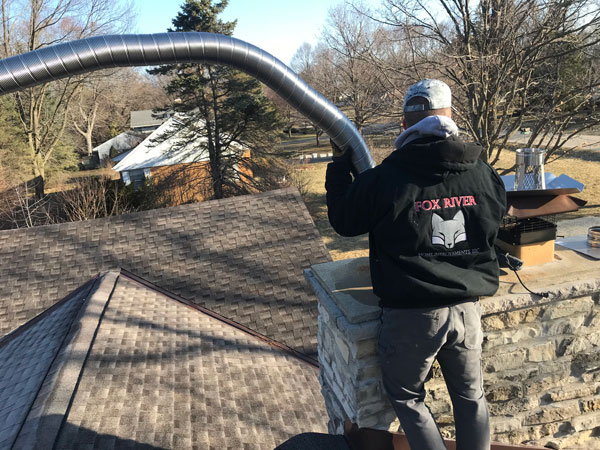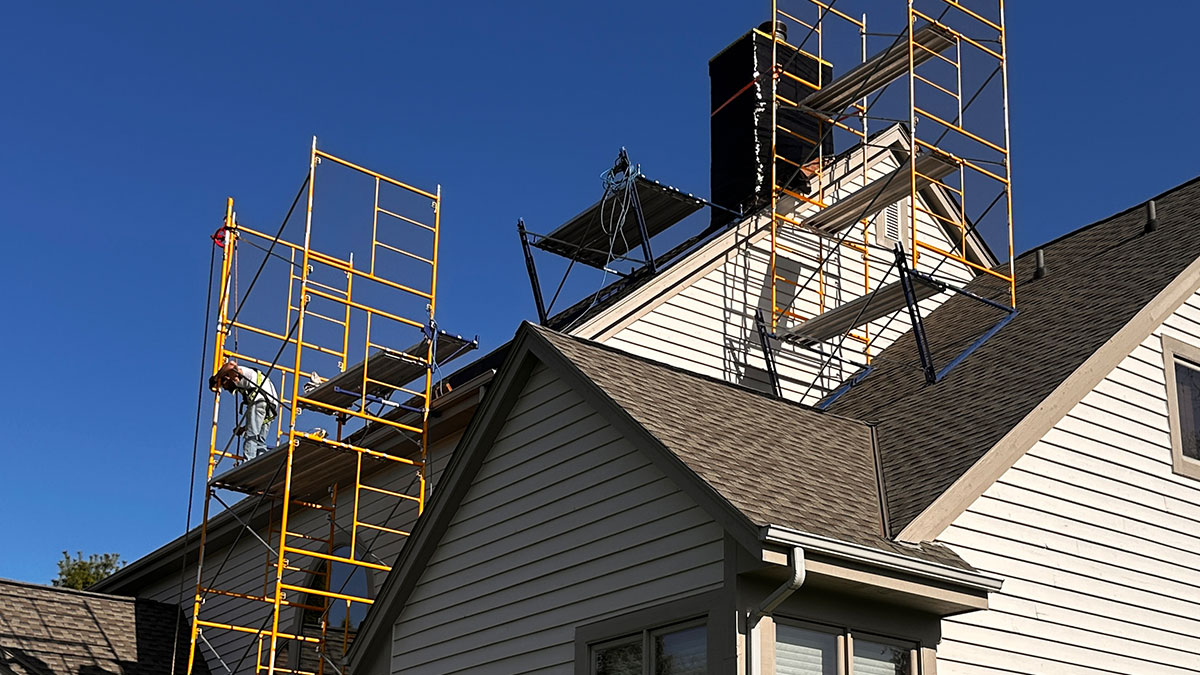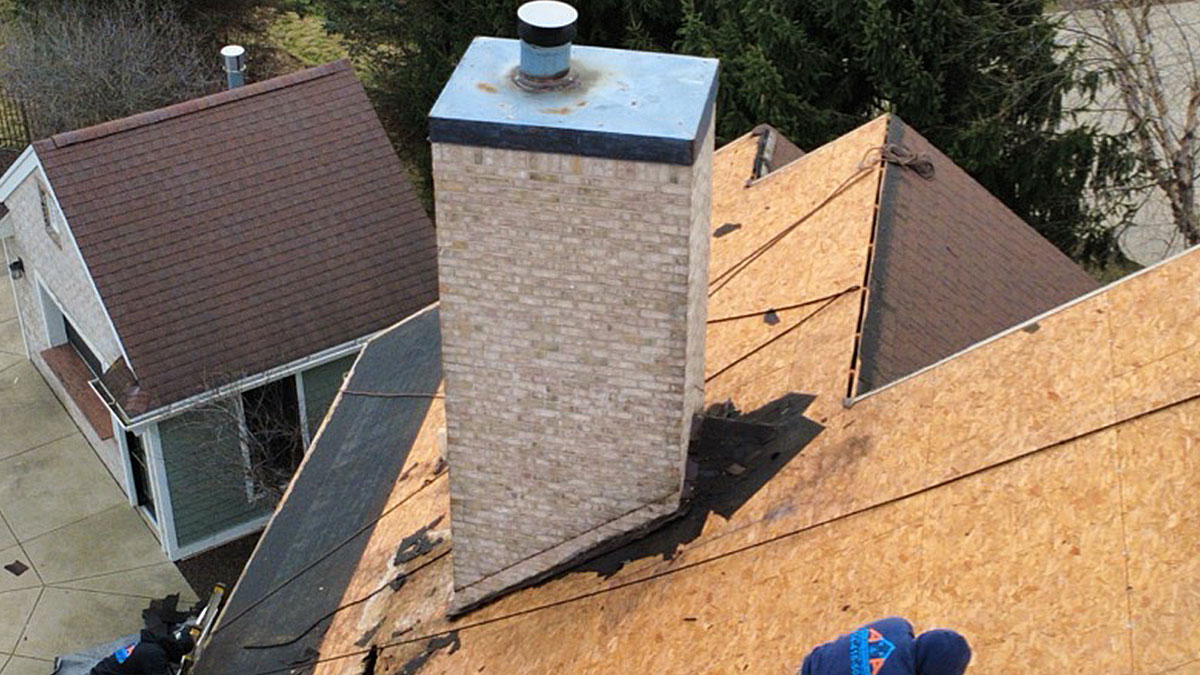
A chimney plays an important role in safely directing smoke, gases, and combustion byproducts away…
How Often Should A Wood Stove Chimney Be Cleaned?
 Understanding how often should a wood stove chimney be cleaned is not just a matter of maintenance; it’s a critical component of home safety. A dirty chimney can lead to dangerous house fires and expose your family to harmful gases. Therefore, establishing a regular cleaning schedule based on professional recommendations and your specific usage patterns is essential for peace of mind and the efficient operation of your stove. This guide will walk you through the key factors that determine the necessary frequency of cleaning.
The General Rule: Annual Inspections are Non-Negotiable
The Chimney Safety Institute of America (CSIA), a leading authority in the industry, recommends that homeowners have their chimneys, fireplaces, and vents inspected at least once a year. This annual checkup is the most reliable way to determine if a cleaning is necessary. For many households, an annual cleaning is sufficient, but this is not a one-size-fits-all rule. Importantly, an inspection will reveal the amount and type of creosote buildup, which is the primary factor dictating the need for a sweep.
As a result, you should plan for an annual inspection regardless of how much you use your wood stove. A professional can identify potential hazards beyond creosote, such as animal nests, cracks in the flue liner, or other structural issues. This proactive approach is a cornerstone of chimney safety and maintenance.
Key Factors That Determine Cleaning Frequency
While an annual inspection is the baseline, several variables can require you to clean your chimney more frequently. Consequently, paying attention to these factors will help you maintain a safer home. Your personal habits and equipment directly influence how quickly dangerous deposits accumulate in your chimney flue.
Your Wood Stove Usage
The most straightforward factor is how much you use your stove. A wood stove that serves as a primary heat source throughout the winter will require more frequent attention than one used only for occasional ambiance. For example, if you burn more than two cords of wood in a season, you should consider a mid-season inspection or plan for more than one cleaning per year. The more you burn, the faster creosote builds up.
The Type of Wood You Burn
Furthermore, the fuel you choose matters immensely. Always use well-seasoned, dry hardwood. Seasoned wood has been split and dried for at least six to twelve months, reducing its moisture content to below 20%. Burning “green” or wet wood creates more smoke and, as a result, significantly more creosote. Softwoods like pine also produce more creosote than hardwoods like oak or maple. For more information on best practices, the EPA’s Burn Wise program offers excellent guidance.
Your Burning Habits
Your technique for building and maintaining a fire also plays a role. Consistently burning slow, smoldering fires at low temperatures is a recipe for rapid creosote accumulation. These cooler fires don’t have the heat to push all the combustion byproducts up and out of the chimney, allowing them to condense on the flue walls. In contrast, hot, fast-burning fires are more efficient and produce less creosote. However, always operate your stove according to the manufacturer’s instructions to avoid overheating.
What Are the Warning Signs I Need a Chimney Sweep?
Beyond a regular schedule, your stove and chimney will often provide clues that a cleaning is overdue. If you notice any of the following signs, it’s time to call a professional immediately, regardless of when your last cleaning was. Ignoring these warnings can have severe consequences. Specifically, you should look for:
- Visible Soot and Tar: If you can see dark, flaky, or shiny tar-like deposits on the inside of your stove, damper, or chimney, it’s a clear sign of buildup. A 1/8 inch accumulation is enough to warrant a cleaning.
- Restricted Airflow or Smoky Fires: If your fires are difficult to start or if smoke backs up into the room, it could indicate a blockage. This is a dangerous situation that requires immediate attention.
- Oily or Strong Odors: A strong, unpleasant odor coming from the fireplace, especially during warmer or humid weather, often indicates a significant creosote presence.
- Animal Nests: Birds and other animals are often attracted to the shelter of a chimney. Their nests can create a complete blockage, posing a serious fire and carbon monoxide risk.
If you see these issues, it’s best to consult our list of signs you need a professional chimney cleaning service for a more detailed breakdown.
The Expert Answer to How Often Should a Wood Stove Chimney Be Cleaned
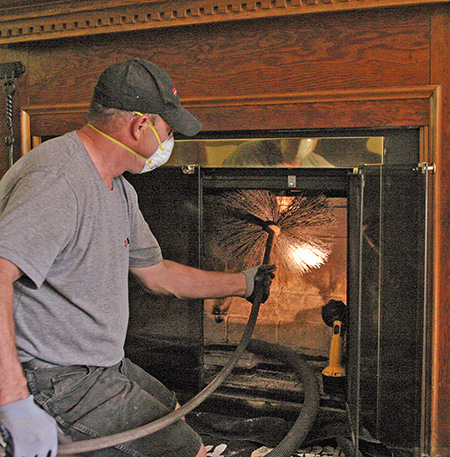
While the guidelines above provide a great starting point, the definitive answer to how often should a wood stove chimney be cleaned is “whenever the soot and creosote buildup reaches 1/8 of an inch.” Only a professional inspection can accurately measure this. Hiring a certified technician ensures the job is done correctly and safely. They possess the specialized tools, such as rotating brushes and high-powered vacuums, to remove all stages of creosote without damaging your chimney or filling your home with soot.
Moreover, a professional sweep is also an inspector. They will assess the condition of your entire system, from the firebox to the chimney cap, including the crucial properly functioning chimney liner. This comprehensive approach can uncover hidden issues that a DIY cleaning would miss, ultimately saving you from costly repairs and dangerous malfunctions. The peace of mind that comes from a certified inspection is invaluable. The final part of the puzzle is understanding the cost of a professional chimney sweep, which is a small price for safety.
Key Takeaways for Wood Stove Owners
Finally, let’s summarize the essential points. Keeping your wood stove and chimney safe is an ongoing responsibility that requires vigilance and professional partnership. Remember that the question of how often should a wood stove chimney be cleaned depends heavily on your specific situation.
To ensure safety and efficiency, commit to an annual inspection by a CSIA-certified professional. Adjust your cleaning frequency based on your wood type, burning habits, and overall usage. Never ignore warning signs like smoke backup or visible tar. By following these principles, you can enjoy the warmth and comfort of your wood stove for years to come, knowing your home and family are protected. Ready to schedule your annual inspection? Contact our team of experts today for a comprehensive evaluation.
Related Posts