A chimney plays an important role in safely directing smoke, gases, and combustion byproducts away…
How Often Should A Chimney Liner Be Inspected?
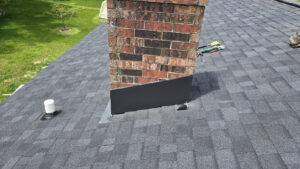 For many homeowners, the question of how often should a chimney liner be inspected is a critical piece of home maintenance that is often overlooked. Your chimney liner is an essential safety component, acting as a barrier between the hot gases and combustibles in your home’s structure. Therefore, understanding its condition is not just about efficiency; it’s about protecting your home and family. Regular inspections ensure this vital component functions correctly, preventing potential disasters like house fires and carbon monoxide intrusion.
The Official Recommendation: Annual Inspections
The clear and consistent answer from safety experts is that your chimney system, including the liner, should be inspected annually. The National Fire Protection Association (NFPA), in its NFPA 211 Standard for Chimneys, Fireplaces, Vents, and Solid Fuel-Burning Appliances, explicitly states that chimneys, fireplaces, and vents shall be inspected at least once a year. This recommendation is strongly echoed by the Chimney Safety Institute of America (CSIA).
Furthermore, this annual checkup isn’t just a quick glance. A professional will perform a detailed assessment to look for cracks, gaps, creosote buildup, or any deterioration that could compromise the liner’s integrity. As a result, you gain peace of mind knowing your system is safe for use in the coming season. Even if you use your fireplace infrequently, an annual inspection is still advised, as issues can arise from disuse, animal nesting, or weather-related damage.
What Factors Influence Inspection Frequency?
While annual inspection is the baseline, certain factors might require you to get your chimney liner checked more frequently. A professional can provide a more tailored recommendation after understanding your specific situation. Importantly, these variables can significantly impact the rate of wear and tear on your liner.
Type of Chimney Liner
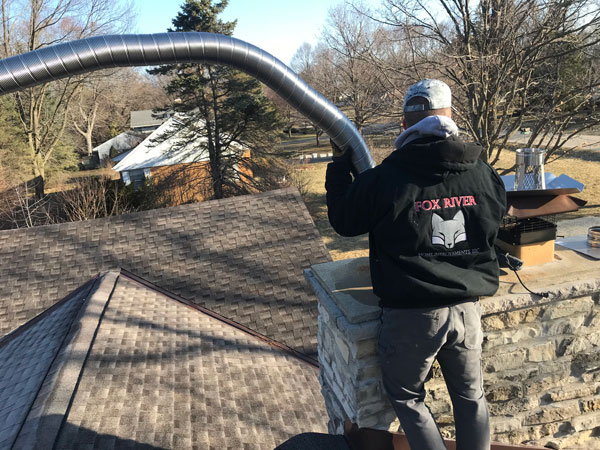
The material of your liner plays a significant role. For example, clay tile liners, common in older homes, are prone to cracking from thermal shock or moisture. In contrast, modern stainless steel liners are more durable but still require checks for corrosion or loose connections. A professional can explain the essentials of chimney liner installation and safety based on your specific type.
Fuel Type and Usage
What you burn and how often you burn it matters. Wood-burning fireplaces produce significant creosote, a flammable byproduct that can build up and damage liners. Consequently, if you use your wood stove daily in winter, your liner experiences more stress than one connected to a gas fireplace used only on holidays. Gas appliances produce corrosive condensation that can degrade liners over time, while oil flue gases are particularly harsh on certain materials.
Weather and Environmental Factors
Your local climate also has an impact. In areas with significant freeze-thaw cycles, moisture can seep into masonry, freeze, expand, and cause cracks in both the chimney structure and the liner. Similarly, heavy rain and humidity can accelerate the deterioration of metal and masonry components. This is a key part of overall chimney safety and maintenance.
Signs You Need an Immediate Chimney Liner Inspection
Beyond your annual schedule, certain warning signs indicate you should call a professional immediately. Ignoring these could lead to severe consequences. Pay close attention to your fireplace and chimney’s performance. If you notice any of the following, stop using your fireplace and schedule an inspection.
- Visible Cracks or Damage: If you can see flaking tile pieces, rust, or cracks in the liner from the top or bottom, it’s a clear sign of failure.
- Debris in Your Firebox: Finding pieces of tile, mortar, or metal in your firebox is a red flag that the liner is crumbling from within.
- Poor Draft or Smoky Fireplace: A blocked or damaged liner can impede the flow of smoke up the chimney, causing it to back up into your home.
- Excessive Creosote Buildup: While some creosote is normal with wood fires, a thick, tarry layer suggests a problem with combustion efficiency, possibly related to the liner.
- Strange Odors: Unpleasant smells from your fireplace when it’s not in use can indicate a buildup of creosote or a blockage from animal nests.
Why You Should Know How Often Should a Chimney Liner Be Inspected
Understanding how often should a chimney liner be inspected is fundamental to responsible homeownership. Firstly, it is a matter of safety. A compromised liner can allow intense heat to transfer to the wooden frame of your house, creating a severe fire hazard. It can also leak colorless, odorless carbon monoxide into your living space. Secondly, a sound liner improves your appliance’s efficiency, ensuring a better draft and more complete combustion, which saves you money on fuel. Finally, addressing minor liner issues early through regular inspections prevents them from becoming major, expensive structural problems. The different levels of chimney inspections are designed to catch these problems at various stages.
Key Takeaways for Homeowners
Ultimately, the core takeaway is simple: prioritize an annual professional chimney inspection. This single action is the most effective way to ensure your chimney liner and the entire system are safe and efficient. Don’t wait for a problem to appear. Proactive maintenance is always safer and more cost-effective than reactive repairs. By asking and answering the question of how often should a chimney liner be inspected, you are taking a crucial step in protecting your property and the well-being of everyone in it. If you’re unsure about your chimney’s condition or when it was last checked, it’s time to call a certified professional.
Related Posts