Can rotten wood siding be repaired? Discover how to assess wood rot damage, the steps for effective repair, and when replacement is the only option. Cont...
Why Are Soffit Vents Important?
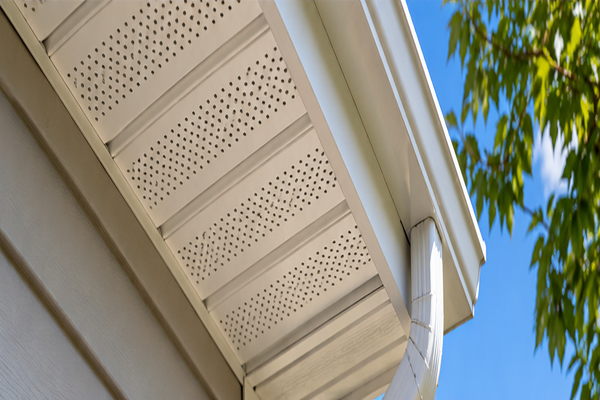 Many homeowners focus on shingles and gutters, but to truly protect your property, explaining why are soffit vents important is a crucial first step. These small, often unnoticed features in your roof’s overhang play a massive role in the structural integrity, energy efficiency, and overall health of your entire home. Consequently, a lack of proper soffit ventilation can lead to a cascade of expensive and damaging problems, from mold growth to premature roof failure. This guide will explore their function and the critical benefits they provide.
What Exactly Are Soffit Vents and How Do They Work?
Before diving into their importance, it’s helpful to understand what soffits are. The soffit is the exposed surface beneath the overhanging section of a roof eave. Soffit vents are simply vents installed within this surface. Specifically, they serve as the primary intake for your attic’s ventilation system. Cool, dry air from outside is drawn into the attic through these vents.
Importantly, they work as part of a passive system. This system relies on the natural principle that hot air rises. As the cool air enters through the soffit vents, it helps push the hot, moist air that has accumulated in the attic upwards and out through exhaust vents located near the peak of the roof, such as ridge vents or gable vents. As a result, this creates a continuous, natural airflow that keeps the attic space dry and closer to the ambient outdoor temperature.
The Core Functions: Answering “Why are soffit vents important?”
The constant circulation created by a balanced ventilation system is fundamental to a healthy home. The answer to why are soffit vents important lies in three primary functions that protect your home year-round, preventing costly damage and improving comfort.
1. Regulating Attic Temperature and Lowering Energy Costs
During the summer, the sun beats down on your roof, causing attic temperatures to soar, sometimes reaching over 150°F (65°C). This superheated air can radiate down into your living spaces, forcing your air conditioning system to work much harder to maintain a comfortable temperature. Furthermore, this leads directly to higher energy bills. Soffit vents combat this by allowing cooler outside air to enter the attic, pushing the hot air out and reducing the overall heat load on your home. Additionally, extreme heat can bake your roofing materials from the inside out, shortening the lifespan of your shingles and leading to a premature roof replacement.
2. Preventing Damaging Moisture and Mold Buildup
In addition to temperature, moisture control is paramount. Everyday activities like showering, cooking, and laundry generate a significant amount of water vapor that naturally rises into the attic. Without proper ventilation, this moisture becomes trapped. Consequently, when the warm, moist air hits the cooler roof sheathing during colder months, it condenses into liquid water. This persistent dampness creates a perfect breeding ground for a host of problems.
- Mold and Mildew: Trapped moisture encourages the growth of mold and mildew, which can compromise your home’s indoor air quality and pose health risks.
- Wood Rot: The structural components of your roof, including the rafters and sheathing, can begin to rot, weakening the entire roof structure.
- Insulation Damage: Damp insulation becomes compressed and loses its effectiveness (R-value), further contributing to energy loss.
- Ceiling Stains: Eventually, moisture can leak down and cause unsightly stains and damage to your interior ceilings.
3. Stopping Ice Dam Formation in Winter
For homes in colder climates, one of the most destructive results of poor ventilation is the formation of ice dams. For example, when a warm attic heats the underside of the roof, it melts snow on the surface. This meltwater runs down the roof until it reaches the cold eaves, where it refreezes. Over time, this process builds a thick ridge of ice—an ice dam. This dam prevents further meltwater from draining properly, causing it to pool and back up under the shingles. Therefore, this water can then leak into the attic and exterior walls, causing significant water damage. Proper attic ventilation, starting with soffit vents, keeps the roof deck cold and prevents the snow from melting in the first place.
What are the Signs of Poor Attic Ventilation?
How can you tell if your soffit vents are blocked or if your system is inadequate? Therefore, knowing the warning signs is essential for proactive home maintenance. You should schedule a professional inspection if you notice any of the following issues.
- Visible Frost in the Attic: During a cold snap, check your attic for frost on the underside of the roof sheathing. This is a clear sign of trapped moisture.
- Musty Odors or Mold: A damp, musty smell in the attic or visible dark stains on the wood are indicators of mold or mildew growth.
- Persistent Ice Dams: If you see thick ice buildup along your gutters and eaves every winter, your attic is likely too warm.
- Warped or Sagging Roof Deck: A wavy or spongy feel to your roof is one of the most severe warning signs of roof failure, often caused by rotted sheathing.
- High Energy Bills: Unusually high heating or cooling costs without another explanation can point to poor insulation and ventilation performance.
Ensuring Proper Soffit Vent Installation and Maintenance
However, simply having vents isn’t enough. Proper installation and maintenance are key. Vents must be correctly sized and spaced to provide adequate airflow for the attic’s square footage, following guidelines from building codes and organizations like Energy Star. Moreover, it’s crucial to ensure that attic insulation does not block the vents, a common mistake that renders them useless. Regular checks to clear away debris, insect nests, or peeling paint can also maintain optimal airflow.
Ultimately, a balanced system with equal parts intake (soffit) and exhaust (ridge) ventilation is the goal. This balance ensures the system functions as intended without creating negative pressure. This is the ultimate answer to why are soffit vents important; they are the foundation of a system that actively protects your home from the inside out, safeguarding its structure and value for years to come.
Key Takeaways: The Value of Proper Ventilation
In summary, soffit vents are not just a minor detail but a fundamental component of a healthy, durable, and efficient home. They are the starting point for a ventilation system that regulates temperature, prevents destructive moisture buildup, and stops the formation of damaging ice dams. Neglecting them can lead to costly repairs and a less comfortable living environment.
Finally, if you have any concerns about your home’s ventilation, from identifying potential issues during an inspection to ensuring everything is working correctly, it is always best to consult with a professional. A thorough assessment can confirm your home is protected and give you peace of mind. Taking care of your attic ventilation is a direct investment in the longevity and value of your property.
Related Posts