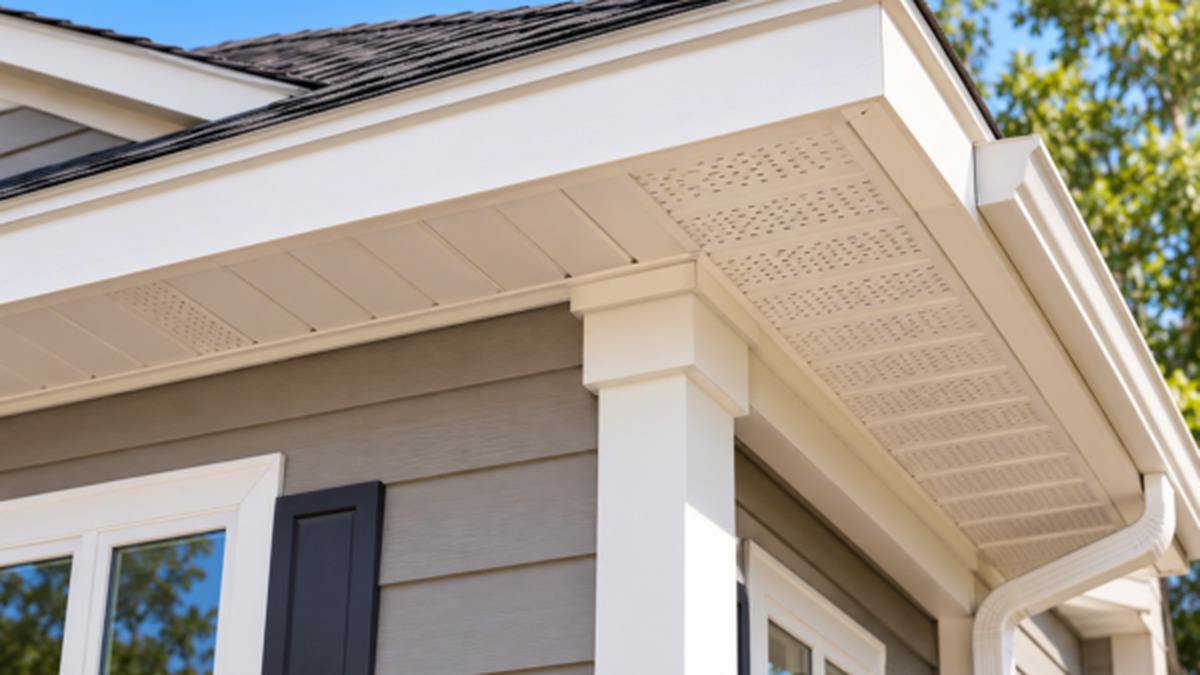
Learn the answer to 'What are fascia and soffits?' and why these crucial roofing components protect your home from moisture, pests, and rot. Contact us!
Can Power Washing Damage Siding?
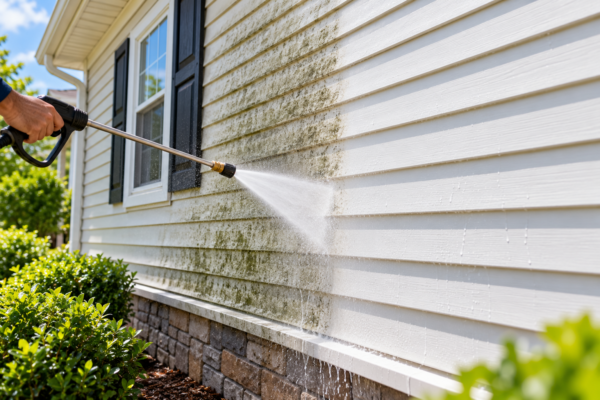 For homeowners looking to boost their curb appeal, a clean exterior is paramount. Consequently, many wonder, can power washing damage siding? The answer is a definitive yes. While power washing can be an effective cleaning tool, using it incorrectly can lead to costly repairs, water intrusion, and permanent damage to your home’s protective shell. Therefore, understanding the risks and proper techniques is crucial before you ever pull the trigger on that high-pressure wand.
What Are the Primary Risks of Improper Power Washing?
The allure of quickly blasting away dirt and grime can be strong, but the potential consequences are significant. Importantly, the force generated by a power washer is more than enough to compromise most types of residential siding if not handled with expert care. These risks are not just cosmetic; they can affect the structural integrity of your home.
Forcing Water Intrusion
Perhaps the most severe risk is forcing water behind the siding panels. Siding is designed to shed water downwards, but a high-pressure stream aimed upwards can easily bypass these overlaps. As a result, this trapped moisture can lead to mold, mildew, and rot in your home’s wall sheathing and wood frame. Furthermore, this kind of damage often goes unnoticed until it becomes a major problem, requiring extensive and expensive repairs. For more on this topic, review our siding repair checklist to prevent water intrusion.
Causing Direct Physical Damage
Beyond water intrusion, the sheer force of the water jet can cause direct physical harm to the siding material itself. For example, vinyl siding can be dented, cracked, or have entire sections dislodged. Wood siding, on the other hand, can splinter, and the soft grain can be eroded, creating a fuzzy, damaged texture. Similarly, even durable materials like brick or stucco are not immune; high pressure can chip away at mortar joints, leading to instability.
Key Factors That Determine if Power Washing Can Damage Siding
The potential for harm is not inherent to the tool itself but in how it’s used. Several factors determine whether a power washing job will clean or destroy your siding. Acknowledging these variables is the first step toward a safer cleaning process. The question of can power washing damage siding? often comes down to technique and equipment choices.
Pressure Settings (PSI)
The most critical factor is the pressure, measured in pounds per square inch (PSI). Many commercial and rental power washers can generate 3000 PSI or more, which is far too powerful for residential siding. Most siding types, including vinyl and wood, should never be exposed to more than 1200-1500 PSI. However, a gentler approach, known as soft washing, uses much lower pressure combined with specialized cleaning solutions and is the preferred method for professionals.
Nozzle Type and Spray Angle
The nozzle at the tip of the wand dictates the shape and force of the water stream. Red-tipped, zero-degree nozzles create a concentrated jet that can carve into wood and puncture vinyl. For siding, a wide-angle nozzle, typically 25 (green) or 40 (white) degrees, is essential to distribute the pressure over a larger area. This significantly reduces the risk of causing damage.
Technique and Distance
Proper technique is non-negotiable. A user must maintain a consistent distance of at least 18 to 24 inches between the nozzle and the siding. Additionally, the spray should always be aimed at a downward angle to work with the siding’s water-shedding design, not against it. Spraying directly or at an upward angle is a guaranteed way to force water into vulnerable seams.
What Is the Safest Way to Clean Siding?
Given the risks, what is the best course of action? For most homeowners, the safest and most effective method is to hire a professional who utilizes a technique called soft washing. This method prioritizes specialized, biodegradable cleaning solutions to kill mold, mildew, and algae and lift dirt. Afterwards, a gentle, low-pressure rinse, often no stronger than a garden hose, is used to wash it all away. This process cleans the siding without any risk of high-pressure damage.
However, if you are determined to proceed with a DIY approach, you must follow strict safety protocols:
- Start Low: Always begin with the lowest possible pressure setting and a wide-angle nozzle.
- Test First: Perform a test spray on a small, inconspicuous area of your siding to check for any adverse effects before proceeding.
- Keep Your Distance: Never get closer than 18 inches to the siding surface. Let the water and cleaner do the work, not the force.
- Mind the Gaps: Avoid spraying directly at windows, doors, vents, light fixtures, and the seams between siding panels.
- Work Methodically: Clean from the bottom up and rinse from the top down to prevent streaks.
Conclusion: Final Thoughts on Protecting Your Home
Ultimately, the answer to “can power washing damage siding?” is a resounding yes, especially when done without the right knowledge and equipment. The potential for forcing water behind panels, cracking vinyl, and splintering wood makes DIY power washing a high-risk activity. While it may seem like a cost-saving measure, a single mistake can lead to repairs that far exceed the cost of a professional cleaning service. Therefore, for the health and longevity of your home’s exterior, consider soft washing or choosing the right home improvement expert to handle the job safely. Protecting your home’s exterior is a key part of maintaining your home’s value and structural integrity for years to come.
Related Posts