Wondering, 'Can power washing damage siding?' Yes, it can. Learn the risks for vinyl and wood, the right techniques, and safe alternatives to protect you...
What Are Fascia And Soffits?
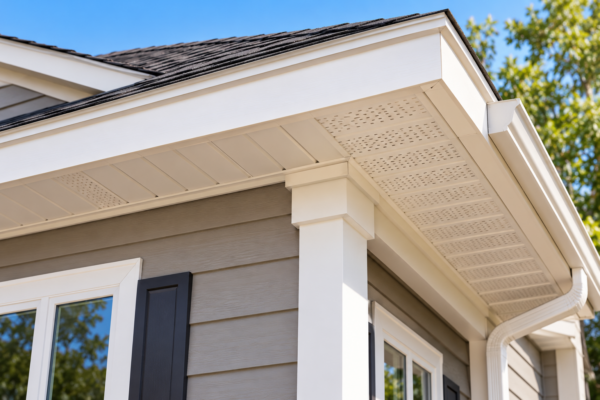 When asking the question, What are fascia and soffits?, many homeowners might draw a blank. However, these components are the unsung heroes of your home’s exterior, providing critical protection and ventilation for your roofing system. Although often overlooked, they play a vital role in preserving your home’s structural integrity and curb appeal. Consequently, understanding their function is the first step toward effective home maintenance.
Essentially, fascia and soffits are the finishing touches on your roof’s overhang, also known as the eaves. The fascia is the forward-facing board, while the soffit is the panel underneath. Together, they shield your roof structure from the elements and prevent pests from entering your attic. Furthermore, they are essential for proper attic airflow, which impacts everything from energy bills to preventing ice dams.
Defining the Fascia Board: More Than Just Trim
The fascia is the long, straight board that runs along the lower edge of your roof, directly below the shingles. You can think of it as the trim that connects the roof to the house. Importantly, this is the component to which your home’s gutters are mounted. Without a sturdy fascia, your gutter system would have no support.
The Primary Functions of Fascia
Fascia boards serve several critical purposes. Primarily, they act as a protective barrier for the edge of your roof truss, shielding the wooden structure from rain, snow, and wind. This protection is crucial for preventing water damage and rot that could compromise your entire roof. Additionally, the fascia supports the bottom row of roof tiles or shingles and carries the full weight of the gutter system, especially when it’s full of water. Finally, it provides a clean, finished appearance to your home’s roofline, significantly boosting its aesthetic value.
A Deeper Dive: What are fascia and soffits?
While the fascia board faces outward, the soffit is the material covering the underside of your roof’s eaves. If you stand under the edge of your roof and look up, you are looking at the soffit. Its primary role is to facilitate proper attic ventilation, which is why many soffit panels are perforated or vented.
Why is Soffit Ventilation So Crucial?
Proper attic ventilation is a cornerstone of a healthy home, and soffits are a key part of that system. Vented soffits act as air intakes, allowing fresh, cool air to enter the attic space. This air then travels up toward the roof’s peak and exits through ridge or gable vents, creating a continuous airflow cycle. As a result, this process helps regulate the temperature and moisture levels in your attic.
Specifically, this ventilation offers several benefits. In the summer, it prevents super-heated air from building up, which can reduce the load on your air conditioning system. In the winter, it keeps the roof deck cool, helping to prevent the formation of destructive ice dams. Moreover, consistent airflow helps expel moisture that can lead to mold growth and wood rot within your attic and roof structure.
What are the different materials used for fascia and soffits?
Fascia and soffits are available in a variety of materials, each with its own set of advantages and maintenance requirements. Choosing the right material often depends on your local climate, budget, and desired aesthetic.
- Wood: A traditional choice that offers a classic look. However, wood requires regular painting or staining to protect it from moisture and rot, making it a high-maintenance option.
- Aluminum: This is a popular, low-maintenance choice. Aluminum is durable, waterproof, and comes in a wide range of factory-baked colors. While it doesn’t rot, it can be dented by impacts.
- Vinyl (PVC): Perhaps the most common material today, vinyl is affordable, water-resistant, and virtually maintenance-free. It comes in many colors and often features built-in ventilation for soffit panels.
- Composite: Made from recycled wood fibers and plastics, composite materials are extremely durable, resistant to rot and insects, and hold paint well. They are typically more expensive than vinyl or aluminum but offer superior longevity.
Signs of Damage: When to Repair or Replace
Because they are on the front lines of weather defense, fascia and soffits can show signs of wear and tear over time. Regular inspection is key to catching problems early. A complete understanding of What are fascia and soffits? includes knowing the signs of decay.
- Peeling Paint and Discoloration: Flaking paint or dark stains are often the first signs of water intrusion. This indicates that moisture is getting past the protective coating.
- Rot and Crumbling Wood: If you have wood fascia, use a screwdriver to gently poke at suspect areas. If the wood feels soft or crumbles, you have rot that needs to be addressed immediately.
- Pest Infestations: Damaged soffits and fascia provide an easy entry point for insects, birds, and squirrels seeking shelter in your attic. Look for nests, droppings, or chew marks.
- Leaking Gutters: Gutters that are clogged or pulling away from the house can cause water to overflow and run down the fascia board, leading to rapid deterioration. This is why maintaining your gutters is essential for fascia health.
If you notice any of these signs, it’s important to act quickly. Minor damage can sometimes be repaired, but extensive rot or pest damage often requires a full replacement to ensure the structural integrity of your roofline.
Final Thoughts on Fascia and Soffits
In conclusion, fascia and soffits are far more than just decorative trim. They are integral components of a comprehensive roofing system that protects your home from water damage, pests, and inefficient energy use. By ensuring they are made from durable materials and are in good repair, you safeguard your home’s structure and maintain its value. For optimal performance and longevity, it’s also critical to ensure your home has proper attic ventilation, a system in which soffits play a starring role. Therefore, a yearly inspection of your roofline, including the gutters, fascia, and soffits, is a wise investment in your home’s long-term health. For more information on roofing materials and energy efficiency, authoritative sources like Energy Star provide valuable guidance. If you suspect any issues, consult a professional to assess the damage and recommend the best course of action.
Related Posts