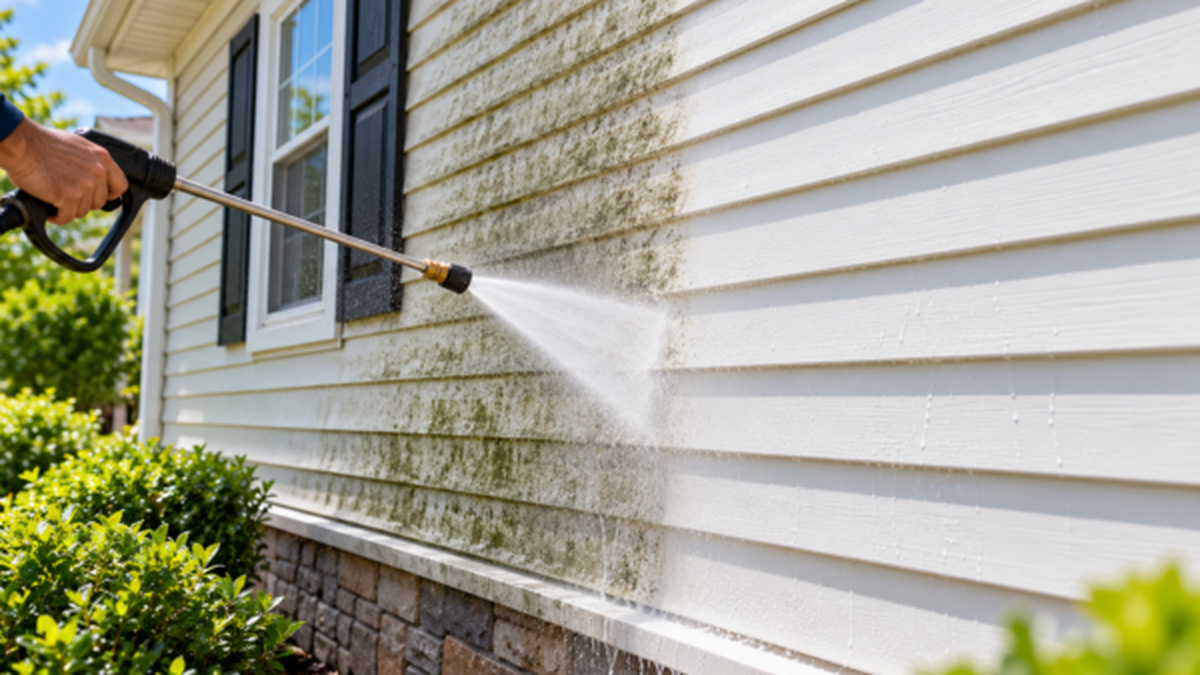
Wondering, 'Can power washing damage siding?' Yes, it can. Learn the risks for vinyl and wood, the right techniques, and safe alternatives to protect you...
How Much Does Siding Replacement Cost?
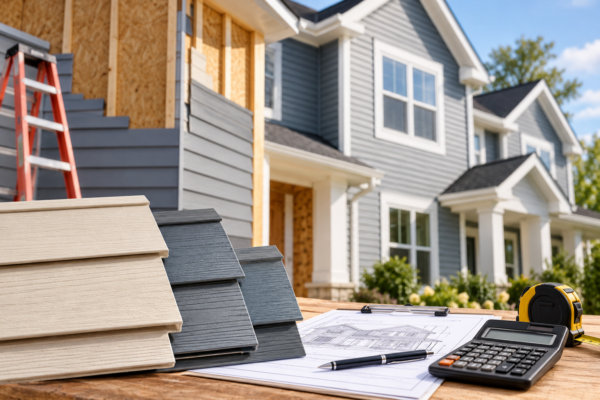 Budgeting for a major home improvement project can be daunting, and a common question homeowners ask is, how much does siding replacement cost? The answer isn’t a single number; instead, it’s a range influenced by materials, home size, and labor. Consequently, understanding these variables is the first step toward creating an accurate budget. This guide provides a detailed breakdown of all the cost factors, helping you make an informed decision for your home’s exterior.
Why Siding Replacement is a Smart Home Investment
Before diving into the numbers, it’s important to recognize that new siding is more than just a cosmetic upgrade. Firstly, it significantly boosts your home’s curb appeal and can dramatically increase your property value. Furthermore, modern siding materials offer enhanced durability and protection against the elements, safeguarding your home’s structure. Additionally, many new siding options provide improved insulation, which can lead to lower energy bills over time. As a result, viewing this project as a long-term investment in your home’s health and value is essential.
What Are the Main Factors Influencing Siding Cost?
Several key components determine the final price of your siding project. A professional contractor will evaluate each of these elements when preparing your quote. Therefore, having a basic knowledge of them will help you understand your estimate better.
Siding Material Choice
The material you select is the single largest factor affecting cost. From budget-friendly vinyl to premium fiber cement or wood, each comes with a different price point for both the material itself and the specialized labor required to install it. We will explore these specific costs in more detail below.
Home Size and Complexity
Logically, a larger home requires more material and more labor hours, increasing the overall cost. However, complexity also plays a huge role. For example, a simple rectangular two-story house will be less expensive to side than a home with multiple gables, dormers, and intricate architectural details that require precise cuts and fitting.
Labor Rates and Project Scope
Labor costs can vary based on your geographic location and the experience of the installation crew. The project’s scope is also critical. For instance, does the job include the removal and disposal of the old siding? This is a standard part of most replacements and will be factored into the labor quote. Importantly, proper installation is key to performance and longevity, so choosing a qualified contractor is crucial.
Breaking Down How Much Siding Replacement Cost Is by Material
To give you a clearer picture, here is a breakdown of average costs, including materials and installation, per square foot. Remember that these are national averages and can fluctuate.
- Vinyl Siding: $4 to $12 per square foot. As the most popular choice, vinyl is affordable, durable, and low-maintenance. However, its quality can vary, and it may crack in extreme cold.
- Fiber Cement Siding: $6 to $15 per square foot. Brands like James Hardie offer exceptional durability, fire resistance, and a wood-like appearance. It is heavier and requires more specialized installation.
- Wood Siding: $8 to $20+ per square foot. Wood offers a classic, beautiful look but requires significant maintenance, including regular painting or staining, to prevent rot and insect damage.
- Engineered Wood Siding: $7 to $16 per square foot. This material provides the look of real wood with greater resistance to moisture and pests, offering a durable and attractive alternative.
- Insulated Vinyl Siding: $8 to $16 per square foot. This option includes a layer of rigid foam insulation, which can improve your home’s energy efficiency. The Department of Energy notes that insulated siding can help reduce energy loss.
Are There Hidden Costs to Consider?
When you ask, “how much does siding replacement cost?“, it’s wise to budget for potential surprises. During the removal of old siding, contractors may uncover underlying issues that need to be addressed before the new siding can be installed. For example, problems like wood rot, water damage, or pest infestations must be fixed to ensure the structural integrity of your home. A thorough siding repair checklist can help identify potential issues, but some damage may only be visible after tear-off. Additionally, costs for permits, waste disposal, and potentially new house wrap or insulation should be discussed with your contractor and included in the final quote.
How to Get an Accurate Siding Replacement Estimate
To avoid surprises and ensure you’re getting a fair price, follow these steps when seeking a quote. First, contact at least three reputable, licensed, and insured contractors. Provide each with the exact same project details so you can compare their estimates accurately. Moreover, ask for a detailed, itemized quote that separates the cost of materials, labor, and any additional fees. Finally, inquire about warranties for both the materials and the workmanship. This diligence helps you choose the right professional for the job, much like when you’re trying to understand factors in roof replacement cost.
Final Thoughts on Your Siding Investment
Ultimately, the answer to “how much does siding replacement cost?” depends on your specific choices and your home’s unique characteristics. By understanding the key factors—material, home size, and labor—you can approach the process with confidence. This project is a significant investment that protects your home, enhances its beauty, and can even lower your energy costs. Therefore, taking the time to research your options and hire a qualified professional will ensure you get the best possible return on your investment for years to come. For a precise and detailed quote tailored to your home, contact a trusted siding specialist today.
Related Posts