Wondering how much does chimney removal cost? This guide breaks down prices for partial vs. full removal, key factors, and hidden expenses. Get a clear e...
How Do I Know If My Chimney Has A Liner?
 For many homeowners, a fireplace is a cherished feature, but understanding its components is crucial for safe operation. Therefore, asking the question, how do I know if my chimney has a liner? is an essential first step in ensuring your home’s safety and your chimney’s efficiency. A chimney liner is a critical barrier that protects your house from heat and corrosion, and confirming its presence and condition is not something to overlook. This guide will walk you through the steps to identify a liner and explain why it’s so important.
What is a Chimney Liner and Why is it Important?
A chimney liner, or flue liner, is a conduit made of clay, metal, or a ceramic material installed inside a masonry chimney. Its primary purpose is to contain the byproducts of combustion—smoke, creosote, and hot gases—and direct them safely out of your home. Without a functional liner, these elements can pose significant risks. Furthermore, a properly sized liner helps your fireplace or appliance operate more efficiently by promoting a better draft.
There are three main functions of a chimney liner:
- Protection of Masonry: The acidic byproducts of a fire can rapidly deteriorate the mortar joints of an unlined chimney. Consequently, this deterioration can allow heat to transfer to nearby combustible materials, creating a serious fire hazard.
- Prevention of Heat Transfer: Research from the National Bureau of Standards has shown that unlined chimneys can allow heat to move through the structure so quickly that adjacent woodwork can ignite in just a few hours. A liner provides an essential layer of insulation.
- Proper Sizing for Appliances: Modern wood stoves and gas inserts require a correctly sized flue to function optimally. An unlined, oversized flue can lead to excessive creosote buildup and poor drafting. For this reason, a new liner is often part of a new appliance installation.
Simple Visual Checks You Can Perform
While a professional inspection is the only definitive method, you can perform a basic visual check to get an initial idea. Importantly, you must prioritize your safety. Never climb on a roof if you are not comfortable or properly equipped. For a simple check from the ground, you will need a powerful flashlight.
- The View from Below: Open the damper and, from the fireplace opening, shine your flashlight straight up the flue. Look for the interior surface. If you see a round, smooth, metallic tube, you have a metal liner. If you see a series of square or rectangular sections of terracotta-colored material, you likely have a clay tile liner. However, if you only see rough brick and mortar, your chimney may be unlined.
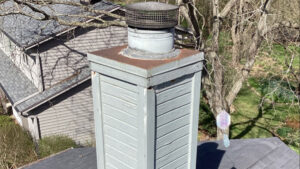
- Signs of a Liner at the Top: From the ground, look at the very top of your chimney. You might be able to see a metal pipe or a section of clay tile extending slightly above the chimney crown. This is a strong indicator that a liner is present.
A visual check is a good starting point, but it won’t reveal hidden damage or cracks. For a complete assessment, a professional chimney inspection is necessary.
Answering the Big Question: How Do I Know If My Chimney Has a Liner?
Beyond the basic visual check, certain performance issues and visible damage can also help you answer, how do I know if my chimney has a liner? or if your existing one is failing. An unlined or damaged flue often leaves clues that something is wrong. Paying attention to these signs is vital for proactive maintenance and preventing costly or dangerous problems down the road. Specifically, these indicators suggest that the internal structure of your chimney is compromised and requires immediate attention from a certified professional.
What are the Signs of a Damaged or Missing Liner?
If you notice any of the following issues, it is a strong signal that your chimney liner is either absent, breached, or has deteriorated. These symptoms point to a system that is not functioning safely.
- Visible Debris in the Firebox: Finding pieces of tile or mortar flakes in your firebox is a clear sign that the liner or masonry is breaking down from within.
- Stains on Walls: Dark stains appearing on interior or exterior walls adjacent to the chimney are often caused by creosote and moisture leaking through compromised masonry.
- Poor Fireplace Performance: If your fire is difficult to start, burns poorly, or allows smoke to spill back into the room, it could be due to an improperly sized or blocked flue, which is common in chimneys without a proper liner.
- Spalling Bricks: When the exterior brickwork of your chimney begins to flake or peel, it’s often because moisture absorbed by the masonry is freezing and thawing, a problem exacerbated by a missing or damaged liner.
When a Professional Inspection is Essential
Ultimately, the only way to be 100% certain about your chimney’s condition is with a professional video scan inspection. A certified technician uses a specialized camera to travel the entire length of the flue, providing a clear view of every surface. This process can identify cracks as thin as a hair, deteriorating mortar joints, and hidden blockages that a simple visual check would miss. According to the Chimney Safety Institute of America (CSIA), this type of inspection is recommended when buying a home or after any event that may have caused damage, like a chimney fire.
Moreover, this detailed assessment is a critical part of overall regular chimney safety and maintenance. A professional can not only confirm the presence of a liner but also evaluate its material, condition, and suitability for your appliance, ensuring your entire system adheres to safety standards set by organizations like the National Fire Protection Association (NFPA).
Final Thoughts: Your Next Steps for a Safer Chimney
Confirming your chimney has a functional liner is not just about following codes; it’s about protecting your property and family. While a quick look with a flashlight can give you a clue, it doesn’t tell the whole story. If you see rough brick, find debris in your firebox, or have any doubts, the next step is clear. Answering the question, how do I know if my chimney has a liner? is the first move toward a safer, more efficient fireplace. A professional evaluation will provide a definitive answer and peace of mind. If a new liner is needed, consider it a vital investment in your home’s safety, as a proper chimney liner installation is essential for safety and efficiency. Don’t wait for a problem to arise; schedule an inspection today.
Related Posts