Learn how often should I have my chimney cleaned to prevent fires. Annual inspections are recommended to remove dangerous creosote. Contact us for a quote!
How Often Should I Get My Chimney Swept?
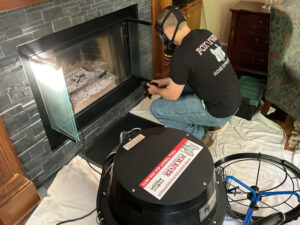 For homeowners with a fireplace or wood stove, one of the most critical safety questions is, how often should I get my chimney swept? While it’s tempting to assume everything is fine as long as smoke goes up, neglecting your chimney can lead to devastating consequences, including house fires and carbon monoxide poisoning. Therefore, understanding the proper maintenance schedule is not just about efficiency; it’s about protecting your property and your family. The standard guideline is straightforward, but several factors can influence this frequency.
The Official Recommendation: Annual Chimney Inspections
The National Fire Protection Association (NFPA) is a leading authority on fire safety in the United States. According to their guidelines, specifically NFPA 211, chimneys, fireplaces, and vents should be inspected at least once a year. This annual checkup ensures the entire system is sound, free of obstructions, and clear of combustible deposits. Consequently, most certified chimney professionals adopt this as the baseline recommendation for all homeowners.
The primary reason for this annual rule is the buildup of creosote. When you burn wood, it releases smoke containing various byproducts. These substances travel up your chimney and condense on the cooler flue walls, forming a dark, tar-like residue called creosote. Importantly, creosote is highly flammable. A thick accumulation can easily be ignited by a stray spark, leading to a dangerous chimney fire that can quickly spread to the rest of your home. An annual sweep effectively removes this hazard. For more detailed standards, you can refer to the official NFPA 211 code.
What Happens If I Don’t Sweep My Chimney?
Skipping a chimney sweep might seem like a way to save money, but the potential costs are far greater. The risks associated with a dirty chimney are significant and multifaceted. Understanding them underscores the importance of regular maintenance.
Firstly, the risk of a chimney fire is the most severe threat. Creosote can ignite at high temperatures, creating a blaze within the chimney flue that can reach over 2,000 degrees Fahrenheit. This intense heat can damage the chimney structure and rapidly spread to your home’s roof and attic. Secondly, a blocked chimney cannot vent properly. Obstructions from creosote, debris, or even animal nests can cause smoke and harmful gases, including deadly carbon monoxide, to back up into your living space. Since carbon monoxide is odorless and colorless, it poses a silent but lethal threat. Furthermore, a dirty chimney is an inefficient one. Soot and creosote buildup can restrict airflow, making it harder to start a fire and reducing the heat output of your fireplace or stove.
Key Factors That Determine How Often Should I Get My Chimney Swept
While an annual inspection is the universal starting point, your specific situation might demand more frequent cleanings. The answer to how often should I get my chimney swept can vary based on your usage habits and equipment. A professional can assess these factors during an inspection, but you should be aware of them as well.
Fireplace Usage Frequency
The most significant factor is how much you use your fireplace or wood stove. If you only light a few fires on special occasions during the winter, an annual sweep is likely sufficient. However, if your fireplace or stove is a primary source of heat and you use it daily or several times a week, you will need to have it swept more often. For heavy users, a mid-season inspection might even be a good idea to ensure creosote levels remain safe.
Type of Wood Burned
The fuel you use has a direct impact on creosote buildup. Seasoned hardwood, which has been properly dried for at least six to twelve months, burns hotter and cleaner, producing less creosote. In contrast, burning unseasoned or ‘green’ wood, which has a high moisture content, creates cooler, smoldering fires that produce significantly more smoke and, as a result, a much faster accumulation of creosote. Similarly, burning artificial logs or trash can introduce chemicals and materials that coat your flue with hazardous residues. For guidance on proper fuel, the EPA’s Burn Wise program offers excellent resources.
Appliance Type and Age
Modern, high-efficiency fireplaces and wood stoves are designed to burn cleaner and produce less creosote than older, traditional open-hearth fireplaces. However, their complex venting systems can still get blocked. An older, less efficient appliance will almost certainly require more frequent attention. Additionally, ensuring you have a properly functioning chimney liner is essential for safety and efficiency, regardless of the appliance’s age.
Visible Signs You Need a Chimney Sweep
Beyond the annual schedule, your chimney will often provide clues that it needs immediate service. Paying attention to these warnings can help you prevent a serious problem before it occurs. If you notice any of the following, it’s time to call a professional right away.
- Unpleasant Odors: A strong, smoky, or acrid smell coming from the fireplace, especially during humid weather, often indicates excessive creosote buildup.
- Visible Soot and Creosote: If you can see black, flaky, or tarry deposits around the damper or on the flue walls, it’s a clear sign that a cleaning is overdue.
- Difficulty Starting or Maintaining a Fire: A blocked or restricted flue makes it hard for the fire to get enough oxygen, leading to smoky, inefficient burns.
- Smoke Spilling into the Room: If smoke is backing up into your home instead of going up the chimney, it’s a dangerous sign of a blockage.
- Animal Nests or Debris: Birds and other animals often build nests in chimneys during the off-season. These are serious fire hazards and must be removed. You can learn more about these clear signs your chimney needs immediate attention.
Next Steps: Protecting Your Home and Family
In summary, every homeowner with a chimney should schedule a professional inspection and sweep at least once a year. This is the baseline for ensuring your system operates safely and efficiently. However, you must also consider your personal usage patterns. If you burn a lot of wood, especially unseasoned wood, you will likely need more frequent service. Ultimately, being proactive is the best strategy. Don’t wait for a problem to arise.
A certified professional can provide a thorough cleaning and also perform one of the different levels of chimney inspection to identify any potential structural issues or necessary repairs. Many homeowners find value in bundling these checks with other seasonal maintenance, taking advantage of comprehensive chimney and roofing services to ensure total home safety. By staying on top of this simple maintenance task, you can relax and enjoy the warmth and comfort of your fireplace with true peace of mind, knowing you’ve taken the right steps to protect your home. The final answer to how often should I get my chimney swept is simple: as often as needed to keep it safe, starting with an annual checkup.
Related Posts