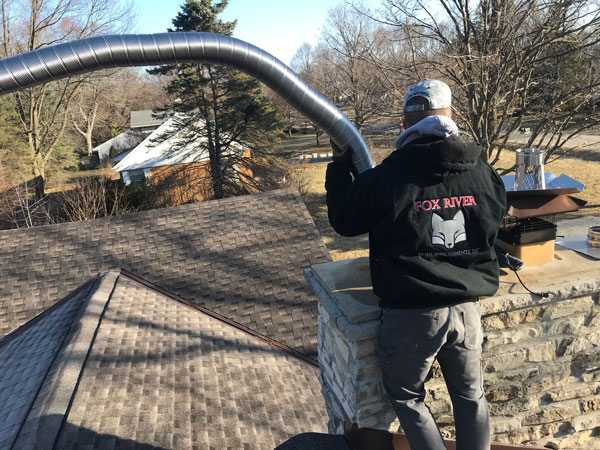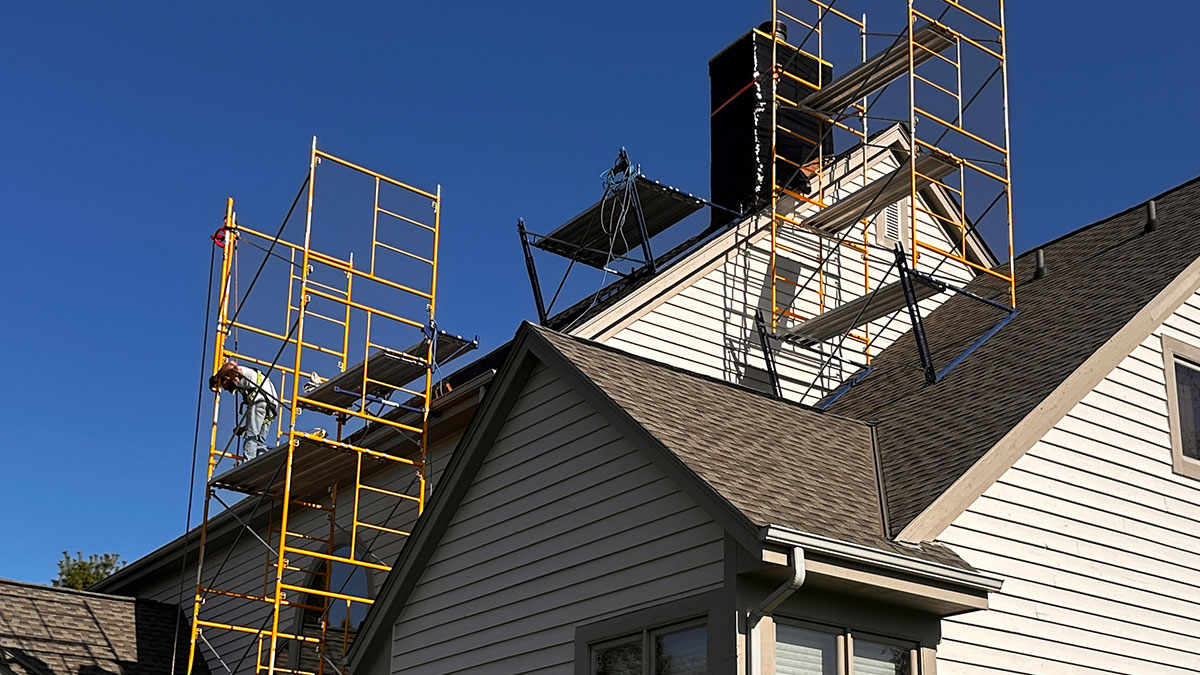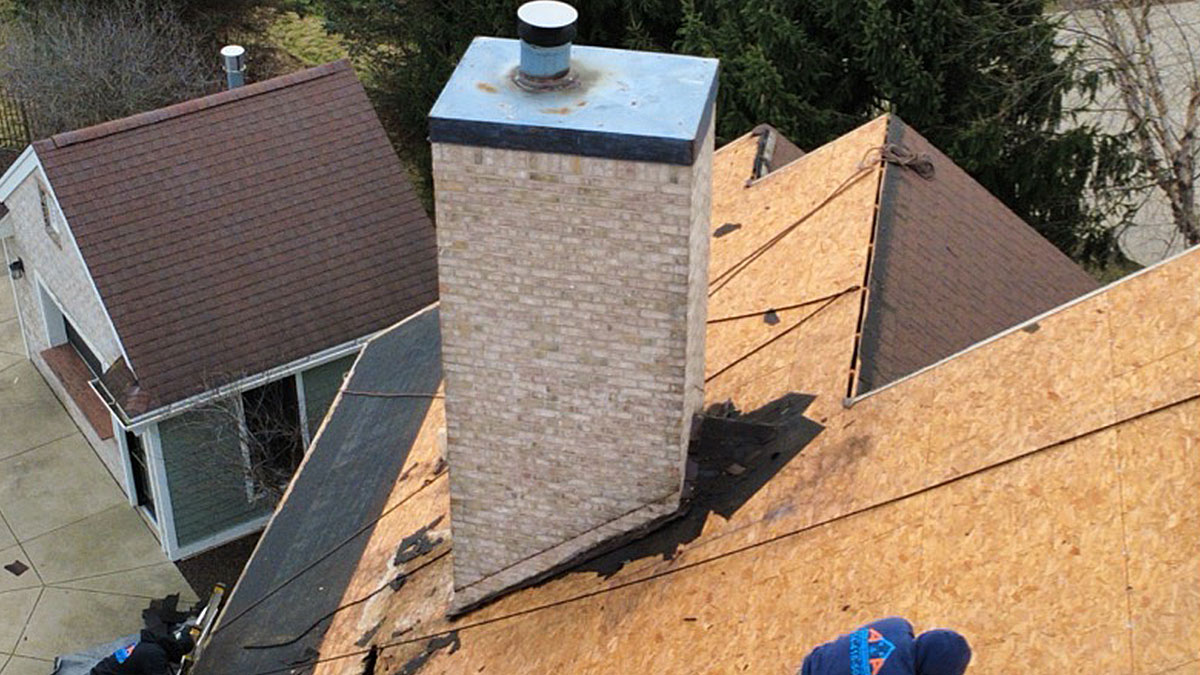
A chimney plays an important role in safely directing smoke, gases, and combustion byproducts away…
Does A Gas Fireplace Need To Be Swept And Inspected?
 Many homeowners believe that switching to a gas fireplace eliminates the need for maintenance. However, the critical question remains: DOES A GAS FIREPLACE NEED TO BE SWEPT AND INSPECTED? The answer is an emphatic yes. While you won’t have the same soot buildup as a wood-burning fireplace, annual inspections are essential for safety, efficiency, and peace of mind. Therefore, neglecting this service can lead to serious risks, including dangerous gas leaks and carbon monoxide exposure. This guide will walk you through exactly why this maintenance is crucial.
The Common Misconception About Gas Fireplaces
Gas fireplaces are celebrated for their convenience and cleanliness compared to their wood-burning counterparts. With the flick of a switch, you have a beautiful fire without the hassle of chopping wood, managing embers, or cleaning out ash. Consequently, a common myth has emerged that they are “maintenance-free.” This is a dangerously inaccurate assumption. In reality, a gas appliance is a complex system with burners, gas lines, valves, and electronic components that can degrade or fail over time. Furthermore, even though they burn cleanly, the venting system can still become obstructed by debris, animal nests, or structural issues, creating a hazardous situation that could put your entire household at risk.
Thinking of a gas fireplace as a simple appliance like a toaster is a mistake. It’s a sophisticated piece of heating equipment connected to both a gas line and a ventilation flue. Each component must work in perfect harmony to ensure safe operation. For example, a slight misalignment of the ceramic logs can drastically alter the flame path, leading to incomplete combustion and the production of soot and carbon monoxide. This is why professional oversight is not just a good idea—it’s a necessity.
Why the Answer to “DOES A GAS FIREPLACE NEED TO BE SWEPT AND INSPECTED?” is Yes
Annual service is not just a recommendation; it’s a critical safety measure. The National Fire Protection Association (NFPA) advises in its NFPA 211 Standard that all chimneys, fireplaces, and vents should be inspected at least once a year. This guidance applies to gas units just as it does to wood-burning ones. Importantly, this professional oversight addresses several potential problems before they escalate into emergencies. The question isn’t just about cleaning, but about comprehensive safety and performance checks. Regular chimney cleaning and maintenance protects your property and family.
Specifically, there are three primary reasons why this annual check-up is non-negotiable.
1. The Invisible Danger of Carbon Monoxide (CO)
A properly functioning gas fireplace produces minimal carbon monoxide, which is safely vented outside. However, a malfunctioning unit can be deadly. A blocked vent, a cracked heat exchanger, or an improperly adjusted burner can cause CO to spill back into your home. Since this gas is colorless and odorless, you might not know there’s a problem until it’s too late. Symptoms of CO poisoning are often flu-like, including headaches, dizziness, and nausea. Therefore, a professional inspection that confirms the entire system is sealed and venting correctly is your first line of defense.
2. Debris, Dust, and Pests in the Venting System
Even with a chimney cap, debris like leaves, twigs, and animal nests can obstruct the flue. Additionally, spiders and other insects are known to build nests inside the burner orifices and pilot light assemblies. These blockages can impede airflow, leading to poor performance, soot production (even in a gas fireplace), and dangerous venting issues. A thorough inspection and cleaning clears these obstructions, ensuring the pathway for exhaust gases is completely clear. This is a vital part of the service.
3. Component Wear and Tear
Gas fireplaces contain numerous parts that wear out over time through normal use. For example, the thermopile and thermocouple are safety sensors that shut off the gas if the pilot light goes out; if they fail, the fireplace may not light or, in a worse scenario, could leak gas. Gas valves can stick, and the gasket that seals the glass door can degrade, causing heat loss and potential leaks. Moreover, the electronic ignition systems have components that can fail, leaving you without heat. During an inspection, a technician examines all these components, cleans the pilot assembly and burners, and tests the system’s safety features. This proactive approach prevents sudden failures, especially when you need your fireplace most during a cold snap.
What Happens During a Professional Gas Fireplace Inspection?
So, what does a professional service entail? It’s much more than a quick look. A certified technician will perform a detailed checklist to ensure every part of your fireplace is in top condition. While the exact process can vary, a comprehensive inspection typically includes the following steps.
- Glass Cleaning: The technician will carefully remove and clean the glass door, which often accumulates a white film from mineral deposits that can etch the glass if not removed.
- Log and Burner Check: The ceramic logs will be inspected for cracks and proper placement, as incorrect positioning can affect flame pattern and cause sooting. The burner assembly is cleaned of dust and debris.
- Pilot Light and Ignition System: The pilot light is cleaned and adjusted for a strong, steady flame. For electronic ignition systems, the components are tested for proper function.
- Vent and Flue Inspection: The technician will check the chimney or vent for any blockages, debris, or signs of animal intrusion. This is a crucial step in preventing CO leaks. For more detailed examinations, there are three levels of chimney inspections available.
- Gas Valve and Leak Test: All connections are tested for gas leaks using specialized equipment to ensure the system is sealed and safe.
- Overall System Test: Finally, the technician will fire up the fireplace to observe the flame pattern, test safety shut-offs, and confirm everything is working as it should.
This detailed process highlights why chimney safety and maintenance is a job for trained professionals, not a DIY task.
The “Sweeping” Part: Is It Necessary for Gas Units?
While a gas fireplace doesn’t produce the heavy creosote buildup found in wood-burning chimneys, the “sweeping” aspect is still relevant. In this context, sweeping refers to clearing the flue of any obstructions. As mentioned, birds, squirrels, and raccoons can build nests in chimneys, and leaves or other debris can fall in. These blockages are a serious fire and carbon monoxide hazard. Therefore, a technician will use specialized brushes and tools to ensure the vent is completely clear from the firebox to the chimney top. This is a key part of answering the question, DOES A GAS FIREPLACE NEED TO BE SWEPT AND INSPECTED?
Understanding how often a chimney should be swept, regardless of fuel type, is fundamental to home safety. For gas appliances, this annual check and clearing is the standard recommended by safety experts like the Chimney Safety Institute of America (CSIA).
Final Thoughts: Prioritizing Safety and Performance
To summarize, protecting your home and family requires proactive care for your gas fireplace. It’s not a set-it-and-forget-it appliance. Remember these essential points:
- Schedule Annual Inspections: Make it a yearly habit to have your gas fireplace and chimney inspected by a certified professional, ideally before the heating season begins.
- Look for Warning Signs: Pay attention to issues like a weak or flickering pilot light, unusual smells (especially rotten eggs, which indicates a gas leak), soot on the glass, or delayed ignition. If you notice any of these, call for service immediately.
- Prioritize Safety: Ensure you have working carbon monoxide detectors installed on every level of your home, especially near sleeping areas. Test them regularly.
Ultimately, the answer to DOES A GAS FIREPLACE NEED TO BE SWEPT AND INSPECTED? is a clear and resounding yes. This regular maintenance is a small investment that pays huge dividends in safety, efficiency, and the reliable comfort your gas fireplace provides. Don’t wait for a problem to arise. Be proactive and ensure your system is ready for another safe and warm season.
Related Posts