A chimney plays an important role in safely directing smoke, gases, and combustion byproducts away…
How Do I Know What Type Of Chimney I Have? (Masonry Vs Prefab)
 Figuring out the answer to the crucial question, how do I know what type of chimney I have? (masonry vs prefab), is the first step toward responsible homeownership and ensuring your fireplace system operates safely and efficiently. The type of chimney you have dictates its maintenance schedule, repair needs, and overall lifespan. Furthermore, understanding this distinction is vital for any potential upgrades or repairs. This guide will walk you through the key visual and structural differences to help you confidently identify your chimney type.
What Are the Main Types of Chimneys?
At a high level, residential chimneys fall into two primary categories: masonry and prefabricated. While both serve the same fundamental purpose of venting smoke and combustion gases, their construction, materials, and care requirements are vastly different. A masonry chimney is built on-site, brick by brick or stone by stone, as an integral part of your home’s structure. In contrast, a prefabricated (or “prefab”) chimney is a factory-built system of interlocking metal parts designed for quick and efficient installation.
Key Characteristics of a Masonry Chimney
Masonry chimneys are the traditional, classic structures many people picture when they think of a chimney. They are robust, long-lasting, and add significant architectural character to a home. Consequently, identifying them is often straightforward if you know what to look for.
Exterior Materials and Construction
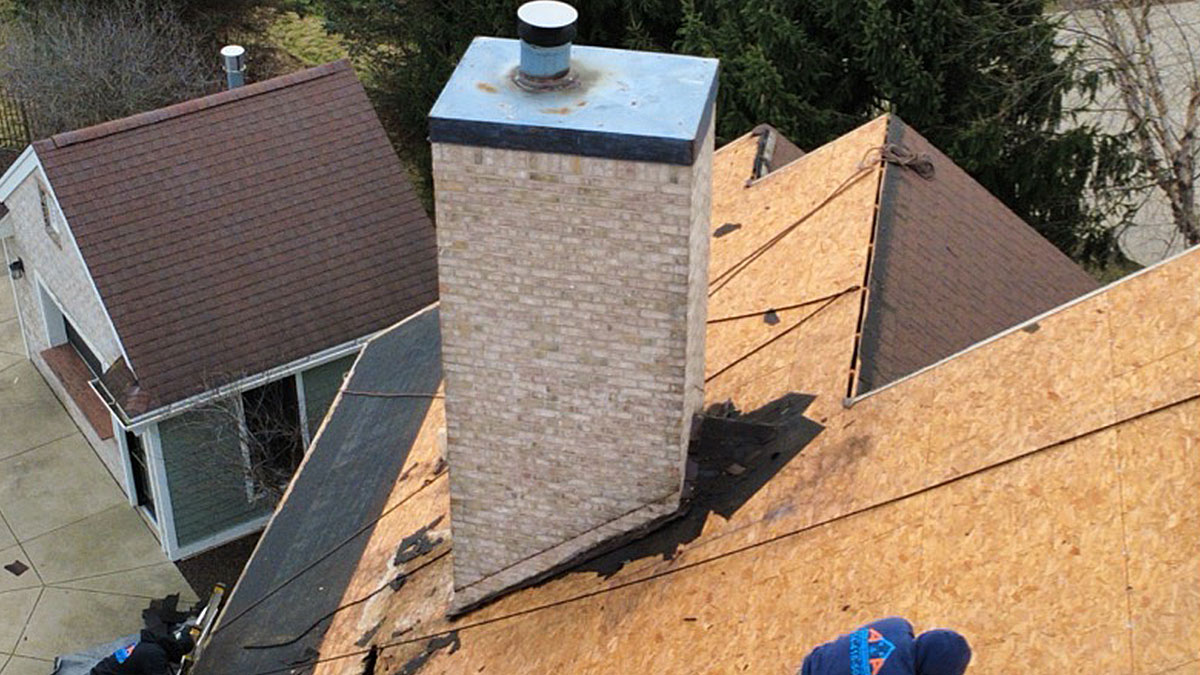
The most obvious sign of a masonry chimney is its exterior. Look for materials like brick, stone, or concrete blocks held together by mortar. These chimneys are typically quite heavy and are built on a concrete footing that starts in the foundation of the house. Additionally, you will often see a concrete or stone slab at the very top, known as a chimney crown, which helps shed water away from the flue. For homeowners considering future work, understanding the costs of rebuilding a masonry chimney can be very important.
Interior Clues: The Firebox and Flue
Inside your home, the firebox (the area where you build a fire) of a masonry fireplace is also built from brick or stone, often with special fire-rated bricks called firebricks. If you look up from the firebox with a flashlight, when the chimney is cold and not in use, you will likely see a clay tile liner. These square or rectangular clay flue tiles are stacked to form the channel that carries smoke upwards. Proper chimney liner installation is critical for the safety of these systems.
Why It Matters: How Do I Know What Type of Chimney I Have? (Masonry vs. Prefab)
So, why is this distinction so important? The answer to how do I know what type of chimney I have? (masonry vs prefab) directly impacts safety, maintenance, and cost. Masonry chimneys are susceptible to mortar decay and water penetration, requiring services like tuckpointing and crown repair. Prefab chimneys, on the other hand, can suffer from rusted chase covers or deteriorating storm collars, which can lead to serious water leaks. Knowing your type helps you schedule the right kind of inspection and maintenance. For example, comprehensive chimney safety and maintenance plans differ significantly between the two.
- Masonry Chimneys: Require inspection for spalling bricks, cracked mortar joints, and flue tile damage. They have a very long lifespan if properly maintained.
- Prefab Chimneys: Need checks for rust on the chase cover and flue pipe, secure connections between pipe sections, and the condition of the refractory panels. Their lifespan is typically shorter, around 20-30 years.
- Repair Costs: Masonry repairs can be labor-intensive and costly, while prefab repairs often involve replacing specific manufactured components.
- Appliance Compatibility: The type of chimney you have determines what kind of new fireplace or stove you can install.
Identifying a Prefabricated (Prefab) Chimney
Prefabricated chimneys are a more modern solution, valued for their versatility and lower installation costs. They are engineered systems tested to specific safety standards, such as those from the National Fire Protection Association (NFPA). Identifying them involves looking for metal components.
The Metal Chase and Chase Cover
On the exterior, a prefab chimney often consists of a wood-framed structure, called a chase, that is covered with siding, stucco, or even a thin brick veneer to match the house. The key giveaway is at the top. Instead of a masonry crown, you will find a metal chase cover that surrounds a round metal pipe. This metal pipe is the chimney flue itself. This cover is designed to keep rain and pests out of the chase structure.
The Metal Firebox and Flue Pipe
Inside, the firebox will be made of metal, though it may have refractory panels that look like brick. Look for a manufacturer’s data plate inside the firebox, which provides model numbers and safety specifications. Looking up from the firebox, you will see a round, insulated metal flue pipe instead of a clay tile liner. This is a definitive sign of a prefabricated system. Importantly, a professional inspection is the best way to get a definitive assessment, especially where combining roofing and chimney services can provide a more holistic solution to water intrusion problems.
Conclusion: Next Steps for Your Chimney Care
By examining the exterior materials, the top of the chimney structure, and the firebox, you can now make an educated guess about your chimney type. This knowledge empowers you to be a more informed homeowner. However, the final word on your chimney’s condition and type should always come from a certified professional. Regular inspections are non-negotiable for fire safety, regardless of whether your chimney is masonry or prefab. Once you can answer ‘how do I know what type of chimney I have? (masonry vs prefab)‘, you can take the correct steps to protect your home and family. For a thorough evaluation, it is always best to consult with an expert from a trusted organization like the Chimney Safety Institute of America (CSIA). Contact a qualified chimney specialist to schedule your inspection and ensure your fireplace is ready for safe operation.
Related Posts