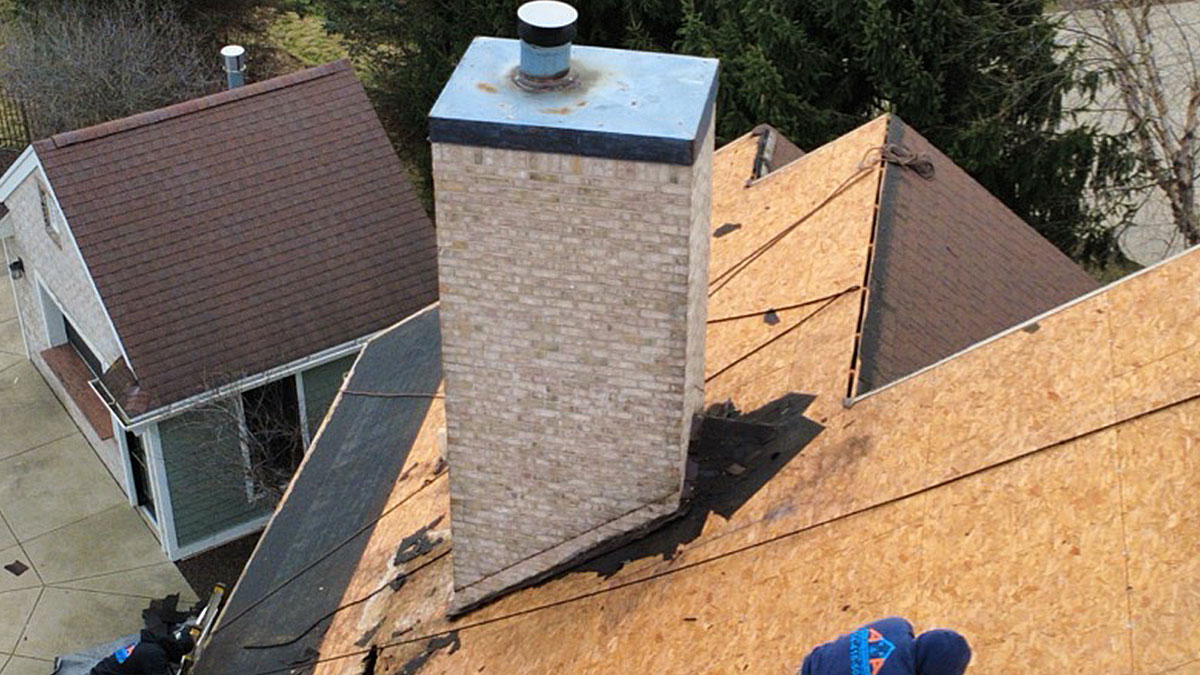
Wondering how much does chimney removal cost? This guide breaks down prices for partial vs. full removal, key factors, and hidden expenses. Get a clear e...
How Do I Know If My Chimney Needs Masonry Repairs?
 As a homeowner, you have a long list of maintenance tasks, and it can be easy to overlook the structure standing tall on your roof. However, asking how do I know if my chimney needs masonry repairs? is a critical question for protecting your home’s safety and value. Ignoring the warning signs can lead to water damage, fire hazards, and even structural failure. Consequently, understanding the key indicators of masonry distress is essential for timely intervention.
The Critical Role of Your Chimney’s Masonry
Before diving into the warning signs, it’s important to understand what chimney masonry is and what it does. The masonry is the backbone of your chimney system, typically consisting of bricks, blocks, and mortar. Furthermore, it includes the chimney crown, a concrete slab at the top that prevents water from seeping between the flue and the exterior brickwork. This entire structure works to safely vent combustion byproducts and withstand constant exposure to the elements.
When this masonry is compromised, it creates a direct pathway for water to enter your home, potentially causing rot, mold, and expensive interior damage. Importantly, damaged masonry can also compromise the chimney’s structural integrity, posing a significant safety risk. Therefore, regular inspection is not just about aesthetics; it’s about fundamental home safety.
Answering ‘How Do I Know If My Chimney Needs Masonry Repairs?’
Identifying problems early is the best way to prevent small issues from becoming catastrophic failures. You don’t need to be an expert to spot the most common signs of trouble. For example, a simple visual inspection from the ground up can reveal many clues. Here are the top indicators that your chimney requires professional attention.
1. Spalling or Flaking Bricks
Have you noticed pieces of brick on the ground near your chimney or on your roof? This is a phenomenon called spalling. It occurs when moisture penetrates the brick, and the freeze-thaw cycle causes the face of the brick to pop off, flake, or crumble. Spalling is a serious red flag because it indicates that the bricks have lost their structural integrity and are no longer effectively repelling water.
2. Deteriorated Mortar Joints
The mortar is the ‘glue’ holding your chimney’s bricks together. Over time, harsh weather and moisture can cause it to crack, crumble, or recede. Gaps in the mortar joints are direct entry points for water. A simple test is to run a screwdriver or key across a joint; if the mortar is soft and sandy, it’s time for repairs, a process known as tuckpointing or repointing.
3. White Stains (Efflorescence)
A white, powdery stain on the surface of your chimney’s brick is called efflorescence. While it may look harmless, it’s a clear sign of excess moisture within the masonry. As water seeps through the bricks and evaporates, it leaves behind salt deposits. Although efflorescence itself isn’t damaging, it tells you there’s an underlying moisture problem that needs to be addressed before it leads to spalling and mortar decay.
4. Damaged Chimney Crown
The chimney crown is your chimney’s first line of defense against rain and snow. Cracks in the crown, even hairline ones, allow water to penetrate the entire chimney structure from the top down. This can cause widespread damage that is often hidden from view until it becomes severe. A properly functioning chimney crown and cap system is vital for longevity.
What Causes Chimney Masonry Damage?
Understanding the root causes can help you take preventative measures. So, what are the primary culprits behind masonry deterioration? In most cases, the damage can be traced back to a few key factors.
- Water Penetration: Unquestionably, water is the number one enemy of masonry. Constant exposure to rain, snow, and ice without proper sealing or protection leads to decay.
- Freeze-Thaw Cycles: In climates with freezing temperatures, trapped water expands as it turns to ice, exerting immense pressure that breaks apart bricks and mortar from the inside out.
- Age and Weathering: Nothing lasts forever. Decades of exposure to sun, wind, and temperature fluctuations will naturally wear down even the best-built chimneys.
- Poor Construction: The use of improper materials, a poorly designed crown, or inadequate flashing during the initial build can create inherent weaknesses that lead to premature failure.
The Dangers of Ignoring Masonry Damage
Delaying repairs can have severe consequences that extend far beyond the chimney itself. When you first wonder, “how do I know if my chimney needs masonry repairs?” and then spot the signs, acting quickly is crucial. A deteriorating chimney can lead to a leaning stack, which is at risk of collapsing and causing significant damage to your roof or property. Additionally, gaps in the masonry can allow dangerous gases like carbon monoxide to leak into your home.
Moreover, a compromised structure can expose the combustible parts of your house to high heat, creating a serious fire hazard. Authoritative bodies like the Chimney Safety Institute of America (CSIA) emphasize that annual inspections are key to preventing these dangers. Ignoring the signs is a gamble with your home’s safety and your family’s well-being.
Repair vs. Rebuild: What’s the Right Choice?
Once you’ve identified a problem, the next step is determining the solution. For minor issues like small cracks or limited mortar decay, repairs like tuckpointing or applying a water repellent are often sufficient. However, if the damage is extensive—such as widespread spalling, major structural cracks, or a severely leaning stack—a partial or complete rebuild may be necessary. The decision between repairing and rebuilding your masonry chimney depends on the extent of the deterioration. A professional assessment is the only way to know for sure. This is the final and most definitive way to answer the question of how do I know if my chimney needs masonry repairs?
Key Takeaways: Your Chimney Health Checklist
Ultimately, protecting your chimney is about proactive maintenance. Regularly inspect your chimney for the signs we’ve discussed: spalling bricks, crumbling mortar, white stains, and crown damage. Remember that a healthy chimney is integral to a safe home. By combining roofing and chimney services, you can ensure a holistic approach to your home’s exterior protection.
If you spot any of these warning signs, don’t wait for the problem to worsen. The cost and complexity of repairs only increase over time. Instead, contact a professional for a thorough inspection. When it comes to your home’s integrity, choosing a reliable contractor is paramount. Schedule your professional chimney inspection today to ensure your home remains safe, dry, and secure for years to come.
Related Posts